Egypt plans to achieve 70% wheat self-sufficiency by 2030 thanks to EU support

Egypt aims to increase wheat self-sufficiency to 70% by 2030, backed by rising domestic production nearing 10 million tons this season. Expanded cultivation, modern harvesting technology, certified seeds, and farmer training programs are expected to reduce post-harvest losses, improve yields, and strengthen the country’s long-term food security strategy.
Egypt aims to raise its wheat self-sufficiency level to 70% by 2030, supported by rising domestic production expected to approach 10 mln tons this season. This was announced by Egypt’s Minister of Agriculture and Land Reclamation Alaa Farouk.
According to Farouk, cultivated wheat areas increased by 600 thsd feddans this year to reach 3.7 mln feddans. He stressed that wheat production is considered a matter of national security for Egypt.
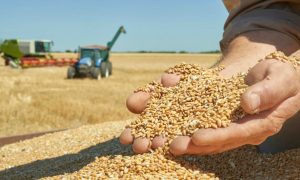
The announcement was made during a mechanized wheat harvest event in Beheira Governorate, held under the EU-funded Good Agricultural Practices (KAFIEU) project implemented in cooperation with the Italian Agency for Development Cooperation (AICS). The initiative aims to support and modernize cereal production in Egypt.
The minister highlighted that introducing modern harvesting machinery is essential to reducing post-harvest losses, which currently range between 20% and 30%, while also lowering production costs. He noted that pilot fields using certified seeds and modern agronomic recommendations achieved yields of 24 ardebs per feddan.
The KAFIEU project also includes training programs for 400 thsd wheat farmers across five Nile Delta governorates, as well as upgrades to seed processing and storage facilities. EU and Egyptian officials emphasized that improving agricultural productivity is key to strengthening the country’s long-term food security.
To Read more about Wheat News continue reading Agriinsite.com
Source : Ukr Agro Consult