El Niño risks, drying Shortages threaten Philippines’ rice reserves—NFA

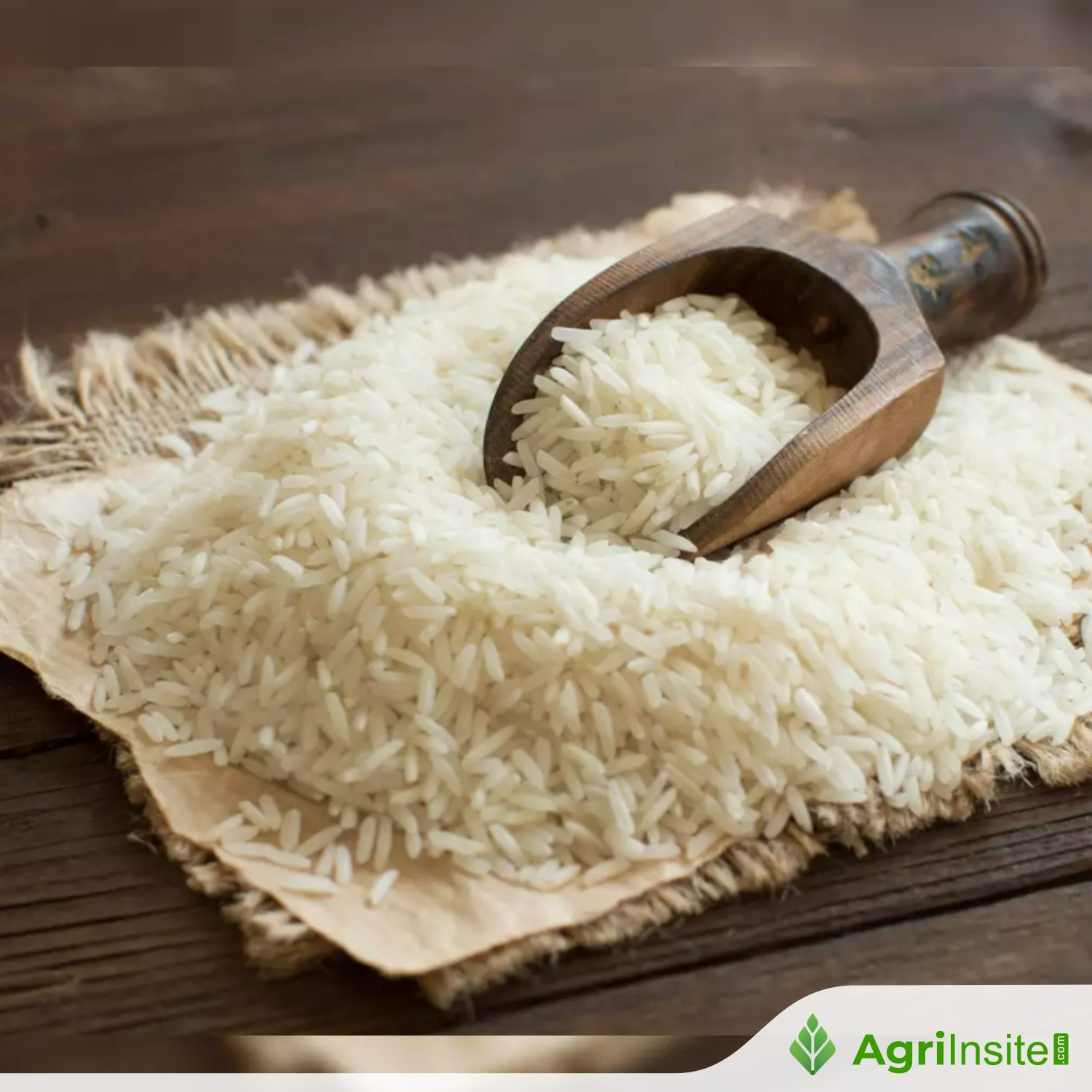
The Philippines’ NFA may miss its 790,000-tonne palay procurement target as strong El Niño risks threaten production. The agency has procured only 92,032 tonnes so far, while limited drying and milling capacity remains a major constraint despite ₱11 billion available for purchases.
The National Food Authority (NFA) is expected to miss its procurement target of 790,000 metric tons (MT) of palay or unmilled rice this year, driven by expectations of a strong El Niño later this year.
“If a severe El Niño hits, I cannot hit 790,000 MT,” said NFA Administrator Larry Lacson in an interview on Friday, Sept. 25.
NFA data showed that the agency has procured 92,032 MT of palay from January to September, or just under 12 percent of its target.
Lacson said the grains agency is confident about procuring up to 500,000 MT during the current wet harvest season, which is expected to run through December.
He said the likelihood of a strong El Niño in the fourth quarter threatens the NFA’s ability to purchase more rice, since local production could suffer from the impact of the adverse weather condition.
If the NFA is only able to purchase over 590,000 MT of palay within the year, it would miss its target by around 200,000 MT.
The Commission on Audit (COA) earlier flagged the NFA over missing its procurement target in 2025, after purchasing only 420,013 MT or 77 percent of its 545,000 MT target during the year.
The COA said this was despite the availability of a government subsidy amounting to ₱9 billion, on top of the ₱5.66 billion that was carried over from the previous year’s allocation.
“[This poses] risks to NFA’s ability to respond effectively and immediately during emergency situations and to support the government’s disaster relief programs in times of natural or man-made calamities,” the COA said in a report.
For the year, Lacson said the agency still has more than ₱11 billion ready to deploy for procurement, but he said the main hurdle continues to be the rice sector’s persistent mechanization gap.
He said the country’s drying capacity is only around 10 to 12 percent, while milling capacity is slightly higher at roughly 16 to 25 percent.
“Even if we want to increase [procurement], which is the aspiration, the equipment and facilities are lacking,” said Lacson.
He added that it is quicker for the agency to ramp up procurement for dry palay since it does not need to undergo any drying process, unlike wet palay.
The NFA currently purchases dry palay from farmers at a floor price of ₱27 per kilo, while wet palay is pegged at ₱22 per kilo.
The NFA has so far disbursed 207,648 MT of rice, while its inventory reached 278,444 MT as of Sept. 18, enough to maintain a buffer stock of seven days.
Under the Rice Tariffication Law, the NFA is required to maintain a buffer stock sufficient to cover 15 days of national rice consumption, an increase from the previous nine-day requirement.
To Read more about Rice News continue reading Agriinsite.com
Source : Manila Bulletin