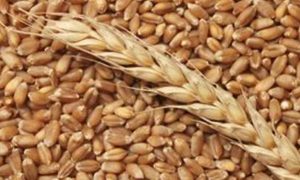
Ethanol and agricultural waste could expand India’s SAF feedstock base


India could accelerate SAF production by integrating new technologies into existing refineries, Honeywell said. HEFA using vegetable oils and fats offers the fastest initial pathway, while ethanol, biomass and agricultural residues could support ATJ and biocrude routes. Standardized plant designs may shorten timelines, though SAF remains costly at $2,445/tonne.
India could accelerate sustainable aviation fuel (SAF) production by integrating new technologies into existing refinery infrastructure. According to Honeywell, this approach could help build initial volumes faster without waiting for large standalone plants to be completed.
HEFA remains the leading technology at the early stage, using vegetable oils and fats as feedstocks. These materials are relatively close to jet fuel in their physical and processing characteristics and can be handled through existing refinery and logistics infrastructure.
Honeywell also sees strong potential for other agricultural feedstocks in India. The country’s ethanol and biomass resources could support alcohol-to-jet (ATJ) and biocrude pathways, while agricultural residues could provide an additional feedstock base for SAF production.
To speed up new projects, the company recommends standardizing plant sizes and configurations and replicating proven designs rather than redesigning each project. SAF projects in China can be completed in around 20 months, while timelines in some other countries can stretch to as long as five years.
SAF nevertheless remains expensive. Platts assessed HEFA-SPK FOB Straits at $2,445/t on October 1, up $15/t from the previous week.
To Read more about Ethanol Industry & Bio Energy News continue reading Agriinsite.com
Source : UkrAgroConsult