Expert says Pakistan turning from wheat exporter to importer

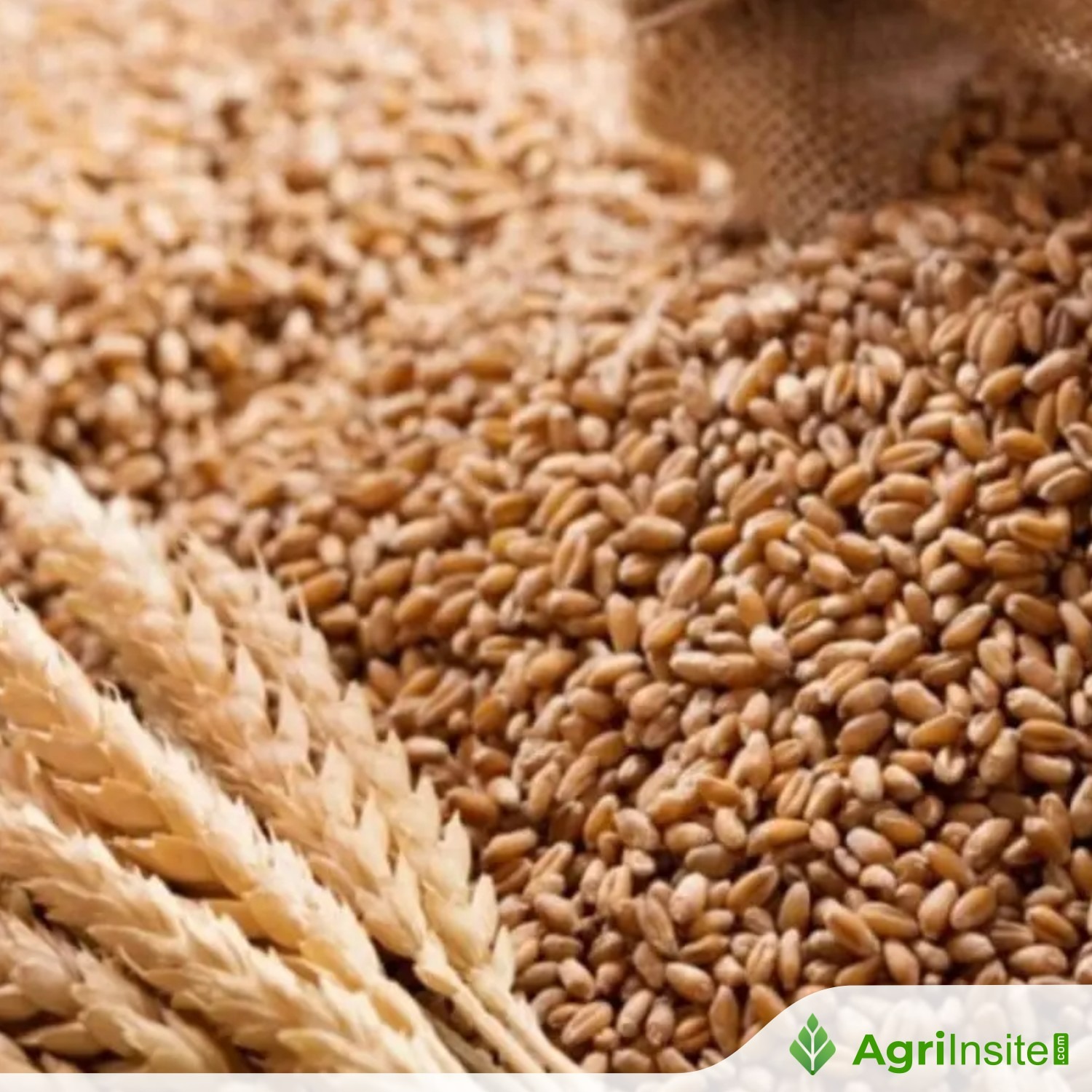
Pakistan risks becoming a net wheat importer as climate change and population growth widen supply gaps, agriculture expert Khan Faraz warned. He highlighted Khyber Pakhtunkhwa’s 3.804 million-tonne wheat deficit and urged timely inputs, improved water storage and climate-resilient farming to strengthen food security.
PESHAWAR: Noted agriculture expert Khan Faraz has warned that Pakistan is transitioning from a net exporter of wheat to a net importer due to the growing challenges posed by climate change and rapid population growth.
“Wheat is not just a crop; it is the lifeblood of Pakistan’s agricultural economy and the crown jewel of the agriculture sector. It plays a pivotal role in ensuring food security and supporting the national economy,” he said.
Faraz, a former secretary of the Pakistan Tobacco Board, said Khyber Pakhtunkhwa’s annual wheat requirement stands at 5.436 million metric tons, while local production in 2026 was recorded at 1.632 million metric tons, leaving an annual shortfall of 3.804 million metric tons.
He said the deficit has traditionally been met through purchases from other provinces, particularly Punjab.“However, Punjab is reportedly considering wheat imports due to declining local supplies and rising procurement prices, raising concerns over wheat availability. The director general of Food has also requested government permission to allow the private sector to import wheat to meet the remaining demand,” Faraz added.
He stressed the need for early adaptation to climate change, saying the timely availability of quality seeds, fertilisers and irrigation water must be ensured to mitigate the impacts of El Niño and La Niña.
“It merits mention that Pakistan is steadily shifting from a net wheat exporter to a net importer because of the combined effects of climate change and rapid population growth,” he said.Faraz also emphasised the need to increase the country’s water storage capacity to conserve freshwater that otherwise flows into the sea.
“Increasing wheat production injects vital resources into the rural economy by creating jobs and generating income for millions of farmers and agricultural labourers. The government has taken several initiatives to ensure adequate wheat production through planting campaigns, subsidies and support prices, but more coordinated efforts are needed to address the emerging challenges,” he said.
To Read more about Wheat News continue reading Agriinsite.com
Source : International The News