GMO maize threat to Pakistan’s emerging maize industry

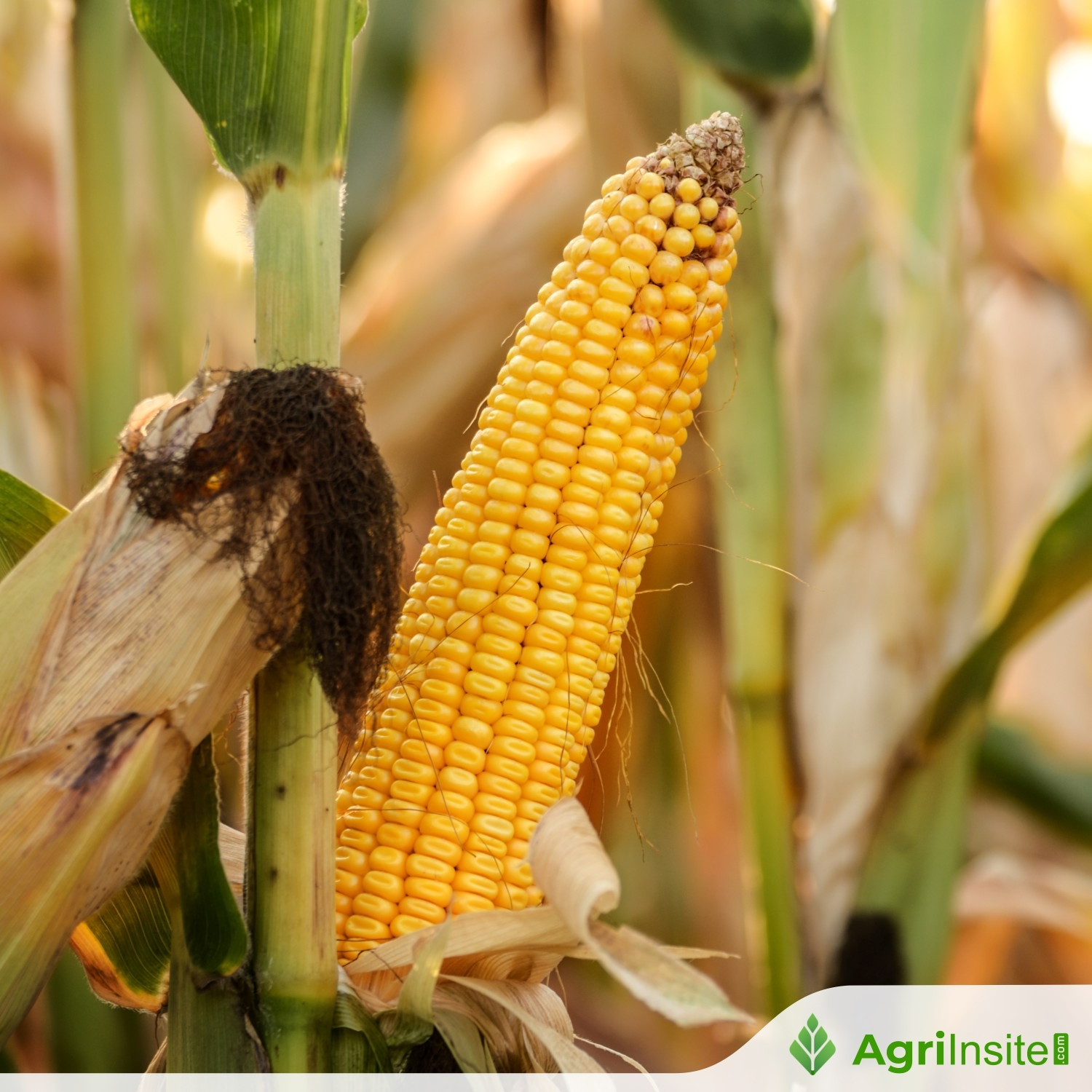
Pakistan’s maize sector faces concerns over commercial GMO maize cultivation, with stakeholders warning that cross-pollination could contaminate non-GMO varieties and undermine local seed research. They argue that Pakistan’s established hybrid maize sector, which delivers around 4 tonnes/ha, should continue supporting farmers and consumers.
ISLAMABAD: Pakistan’s emerging maize industry could face a serious threat to its home-grown seed sector if Genetically Modified (GMO) maize is commercially cultivated in the country, as stakeholders have warned that cross-pollination could permanently contaminate non-GMO varieties and undermine years of local seed research and development.
Former Pakistan Tobacco Board Secretary Khan Faraz, in a note on maize production, said Pakistan had developed a strong hybrid maize sector and argued that continuation of locally produced hybrid varieties was in the best interest of both farmers and consumers.
Maize, currently the country’s third-largest cereal crop after wheat and rice and fifth-largest crop in terms of economic value, has achieved significant productivity gains in recent years, with average yields hovering around four tons per hectare — among the highest in the region.
He said maize had emerged as an important cash crop and was abundantly available in the country, while improvements in production over the years had given Pakistan one of the highest per-acre yields in South Asia.
Faraz noted that certain stakeholders in the seed business had strongly opposed the commercial introduction of genetically modified maize, particularly because maize was an edible crop. He maintained that Pakistan should continue relying on hybrid maize, which was already being produced domestically according to market requirements.
The controversy has gained significance as GMO technologies are increasingly being promoted globally as a means of developing crops capable of withstanding harsher weather and adverse growing conditions.
According to the note, conventional breeding has traditionally produced locally adapted seeds by crossing plants with desirable characteristics and selecting suitable offspring. However, increasing weather extremes and hostile growing conditions have encouraged multinational companies to promote genetically modified technologies, which can potentially reduce the time required to develop hardier crop varieties.
The Pakistan High-tech Hybrid Seed Association, according to media reports cited in the note, has warned that the threat from foreign GMO maize is “real” and potentially irreversible.
The association has argued that once GMO maize is introduced into farmers’ fields, its pollen could spread through wind and cross with non-GMO varieties, creating a contamination risk that would be extremely difficult to reverse
It has further warned that commercial approval of GMO maize could result in cross-contamination of locally developed varieties, potentially damaging Pakistan’s public and private seed research and development infrastructure.
The association has maintained that the unavoidable spread of GMO pollen could eventually threaten the cultivation of non-GMO maize and weaken Pakistan’s indigenous seed industry, which has taken years to develop.
To Read more about Maize News continue reading Agriinsite.com
Source : Business Recorder