Historic India Monsoon Delay Exposes Global Grain Supply Chains

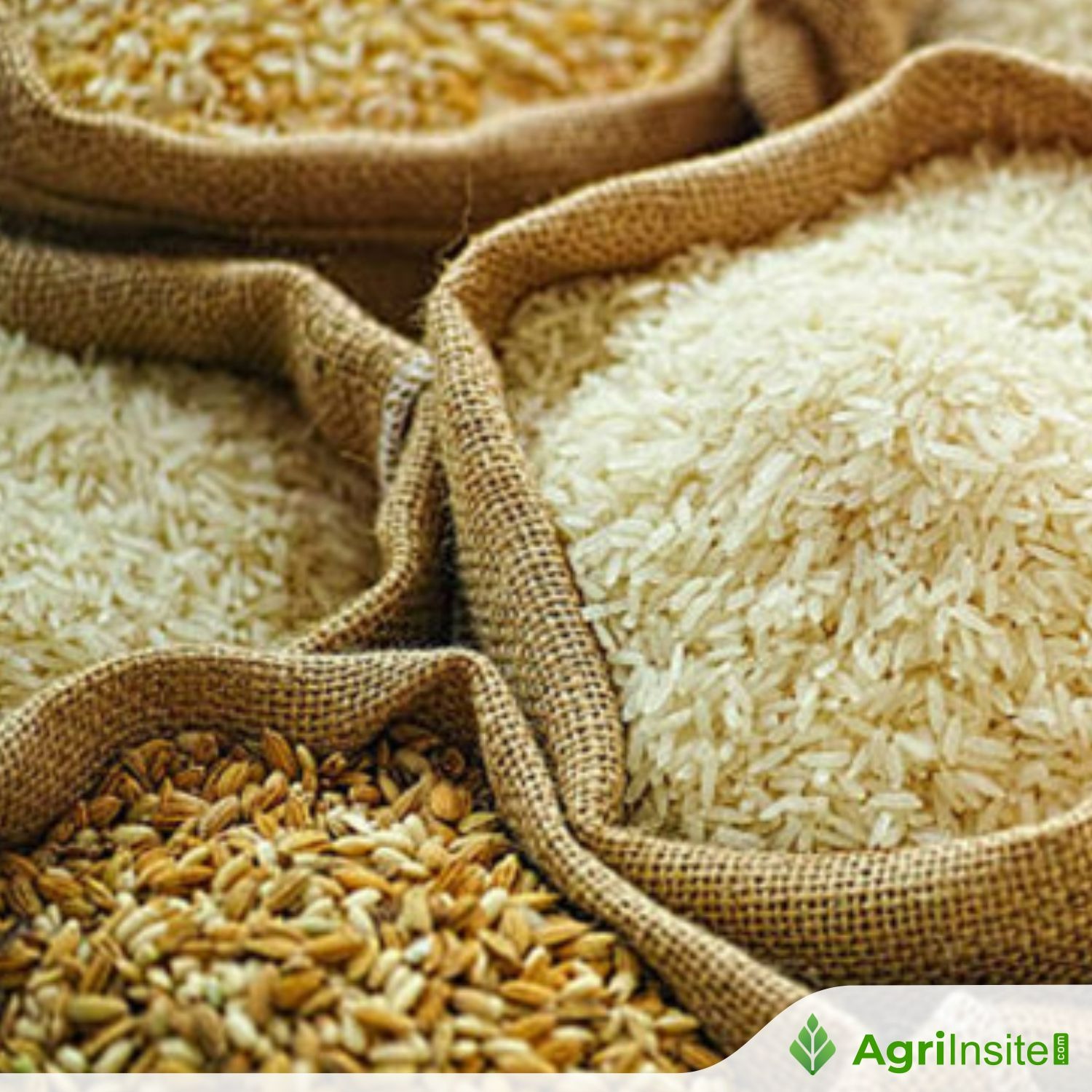
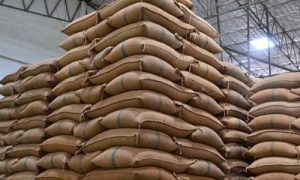
India’s southwest monsoon rainfall is 42% below normal, delaying kharif sowing and prompting emergency crop-shift measures across 315 vulnerable districts. Reduced rice production could tighten exports, raising global food security concerns, particularly for import-dependent regions such as East Africa, while worsening domestic water shortages.
A severe 42 percent rainfall deficit across India’s vast agricultural heartland has forced millions of farmers to suspend their summer planting, triggering alarms across global commodity markets.
As the world’s most populous nation confronts an escalating meteorological crisis, the immediate agricultural shortfall threatens to ignite a cascading global food security event. For heavily import-dependent regions like East Africa, where Kenyan households rely on Asian grain shipments to stabilize retail food costs, the faltering monsoon season could severely spike inflation before the year ends.
The Meteorological Deficit
The southwest monsoon, which traditionally sweeps across the subcontinent beginning in early June, delivers roughly 70 percent of India’s annual precipitation. This year, influenced by shifting global climate patterns and lingering El Nino effects, the seasonal rains have stalled catastrophically. Data published by the India Meteorological Department reveals that precipitation levels are running nearly half of their historical long-period average, leaving critical soil moisture severely depleted.
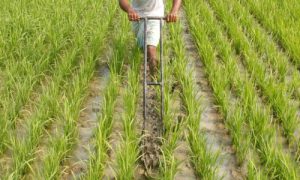
Without assured irrigation, which is absent on nearly half of India’s net sown acreage, rural farmers cannot risk planting expensive seeds into dry earth. The Kharif planting season—responsible for the cultivation of rice, pulses, soybeans, and cotton—is rapidly closing. Field reports indicate that only 7.25 million hectares had been sown by early June, trailing significantly behind previous annual benchmarks.
Contingency Protocols and Crop Shifting
Facing the prospect of widespread crop failure, the Indian Ministry of Agriculture has activated emergency protocols. Agriculture Minister Shivraj Singh Chouhan has identified 315 highly vulnerable districts, classifying 111 of them as critical intervention zones due to total reliance on rainfall. Government agronomists are aggressively pushing farmers to abandon water-intensive staples like paddy rice in favor of drought-resistant alternatives such as millets, oilseeds, and hardy pulses.
While this adaptive strategy may preserve rural household incomes in regions like Madhya Pradesh and Maharashtra, it fundamentally alters the national agricultural output. A deliberate reduction in rice cultivation immediately threatens the central grain reserves that New Delhi uses to feed over 800 million citizens through subsidized public distribution networks.
Ripple Effects at African Ports
The domestic shortfalls in India have direct and severe consequences for consumers thousands of miles away. India is historically a titan of the global rice and wheat trade. When domestic harvests shrink, the Indian government historically imposes draconian export bans to prevent domestic food inflation and political unrest.
For Kenya, which imports over 70 percent of its wheat and a significant portion of its rice, an Indian export freeze acts as a massive inflationary shock. Port authorities in Mombasa and economic planners at the Central Bank of Kenya closely monitor Asian meteorological data, as any disruption forces local millers to source alternative, significantly more expensive grains from the Americas or the Black Sea region. The inevitable result is an immediate spike in the retail price of basic flour and bread for the average Nairobi consumer.
- Rainfall Deficit: Current precipitation is 42 percent below the historical average since June 1, 2026.
- Vulnerable Zones: 315 districts flagged for potential crop failure, with 111 lacking basic irrigation.
- Delayed Sowing: Sowing data shows a deficit of over 200,000 hectares compared to the previous planting season.
- Economic Stakes: Agriculture employs nearly half of India’s 1.4 billion population and shapes the nation’s USD 4 trillion (KES 524 trillion) economy.
The Water Infrastructure Crisis
The delayed rains are compounding an existing urban water crisis. In major financial hubs like Mumbai, municipal authorities have halted water supplies to construction sites and swimming pools to protect dwindling reservoir levels. The dual pressure of rural crop failure and urban water rationing highlights a critical lack of climate-resilient infrastructure.
As global temperatures continue to rise, these erratic weather events will shift from anomalies to annual expectations. Nations operating on the razor’s edge of food security can no longer rely on predictable seasonal rhythms, forcing a radical recalculation of global food trade and emergency storage protocols.
To Read more about Wheat News continue reading Agriinsite.com
Source : Streamline