HPCL’s Rs 1,400-crore Bathinda bioethanol plant enters final trial phase, targets March 2027 commissioning

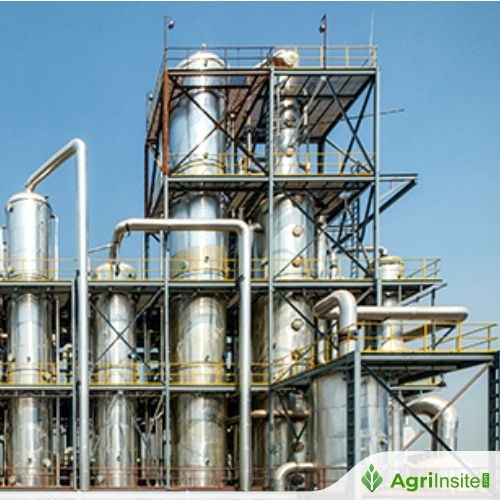
HPCL’s ₹1,400-crore second-generation bioethanol plant in Bathinda, Punjab, has entered final trials ahead of its planned commissioning by March 2027. The facility will process 2 lakh tonnes of paddy straw annually to produce 100 KLD of ethanol, supporting stubble management and reducing agricultural residue burning.
Bathinda: Hindustan Petroleum Corporation Limited (HPCL) is preparing to move its Rs 1,400-crore second-generation bioethanol project in Punjab towards commercial operations, with the facility entering the final stage of trials ahead of its planned commissioning by March 2027, Hindustan Times reported.
The plant, located at Nasibpura village in Bathinda, will use paddy straw as its primary raw material, with an annual processing capacity of two lakh tonnes. It has a designed ethanol production capacity of 100 kilolitres per day (KLD), requiring approximately 570 tonnes of paddy straw daily at full capacity.
The project is based on lignocellulosic technology, which converts agricultural residue into ethanol through a series of processing stages. Paddy straw is first treated to break down complex plant material into simpler sugars. These are then fermented, distilled and purified to produce ethanol for blending with petrol.
Construction is nearly complete, and testing is expected to take two to three months. Commissioning operations are scheduled to begin in December, with full-scale testing targeted for completion by March 2027. The facility is not expected to generate revenue before next year.
HPCL started collecting paddy straw in 2023 and has so far aggregated around 1.25 lakh tonnes over the previous two kharif seasons. Procurement has been temporarily suspended during the current harvest while the company undertakes system calibration and machinery alignment. The accumulated biomass has been stored in an open yard at Nasibpura. The purchase price for the next round of commercial procurement will be decided when buying resumes.
Abhijit Kaplish, chief executive of the Punjab Energy Development Agency (PEDA), said the project was intended to demonstrate how agricultural residue could be converted into a useful industrial resource. He highlighted its potential to create a supply chain for farm waste, reduce stubble burning and seasonal air pollution, and lower greenhouse gas emissions and dependence on imported crude oil.
Designed initially as a pilot initiative for paddy-stubble management, the Bathinda facility could also offer a model for other states seeking to utilise agricultural residue on a larger scale.
To Read more about Ethanol Industry & Bio Energy News continue reading Agriinsite.com
Source : ChiniMandi