India may allow multiple ethanol-blended petrol options at fuel stations: Report

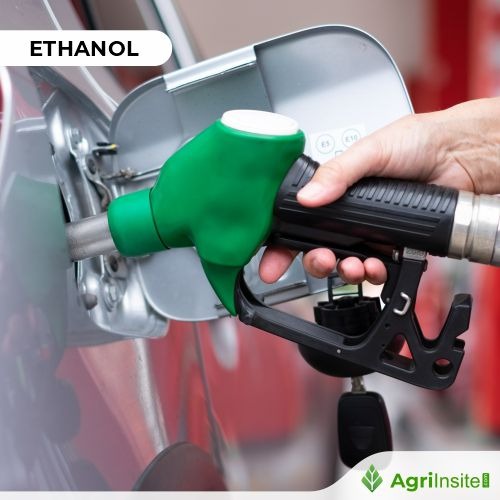
India plans to introduce multiple ethanol-blended petrol options including E20, E22, E25 and E30 at fuel stations, allowing consumers to choose fuels based on vehicle compatibility. The move supports higher ethanol blending, reduced crude imports, surplus ethanol utilisation and improved energy security.
India may soon allow consumers to choose from different ethanol-blended petrol variants at fuel stations, giving vehicle owners the option to select fuel based on engine compatibility, according to a report published by Mint on Thursday.
The report said the government has asked state-run oil marketing companies – Indian Oil Corporation, Bharat Petroleum Corporation and Hindustan Petroleum Corporation — along with private retailers Jio-bp Mobility, Nayara Energy and Shell, to begin preparing infrastructure for dispensing fuels such as E20, E22, E25 and E30, The Economic Times reported.
The move comes after the Bureau of Indian Standards introduced new norms for ethanol-blended fuels and follows the government’s proposal in April to allow fully ethanol-powered vehicles.
According to the report, fuel stations will need to invest in separate dispensing systems, underground storage facilities, blending controls and fuel quality monitoring arrangements to support multiple ethanol variants.
People familiar with the matter told Mint that fuel stations will also be required to clearly display information about ethanol blends on dispensing pumps so that consumers can easily identify the fuel suitable for their vehicles.
The development comes as India increases its focus on ethanol blending to reduce dependence on imported crude oil and improve energy security amid global uncertainty in oil markets. The report noted that concerns over possible supply disruptions through the Strait of Hormuz have further strengthened the push towards alternative fuel options.
Sources quoted in the report said prices of different ethanol-blended fuels are also expected to vary.
India currently has nearly 100,000 fuel stations, including around 90,600 operated by public sector oil companies. While E20 petrol is already available, ethanol producers and industry groups have been urging the government to move beyond the current 20% blending target because of surplus ethanol production and the need to cut crude oil imports.
C.K. Jain, president of the Grain Ethanol Manufacturers Association, told Mint that countries such as Brazil have successfully introduced higher ethanol blends through flexible consumer choices and separate dispensing systems.
He said Indian fuel stations could eventually offer multiple ethanol variants depending on regional demand, infrastructure availability and vehicle compatibility.
Government data cited in the report showed that ethanol blending helped India save Rs 1.7 trillion between November 2014 and February 2026 while reducing carbon emissions by 87 million tonnes. In the ethanol supply year 2024-25 alone, the country reportedly saved more than Rs 40,000 crore by replacing imported crude oil with ethanol.
India, the world’s third-largest oil consumer, imported crude oil worth $123.1 billion in FY26, lower than the $137 billion recorded in the previous financial year.
Industry representatives said major changes at fuel stations may not be necessary. K.P. Murali, president of the Tamil Nadu Petroleum Dealers’ Association, told Mint that oil companies would bear the cost of installing tankages and dispensers, while existing storage systems could be adapted for additional ethanol blends.
Prashant Sinha, a fuel station operator in Patna, said existing dispensers already handle multiple fuel variants such as diesel, premium petrol and regular E20 petrol, and the same system could be expanded further for E22 to E30 fuels.
The push for higher ethanol blending has also triggered discussion among consumers regarding fuel efficiency and engine performance. However, the government has maintained that E20 petrol improves acceleration and ride quality and has dismissed concerns about a major drop in fuel efficiency.
The report said India had produced nearly 20 billion litres of ethanol by March 2026, well above the estimated requirement of 11 billion litres under the current 20% blending programme, resulting in surplus production capacity.
Provisional data from the Petroleum Planning and Analysis Cell showed that India’s petroleum product consumption touched a record 243.19 million tonnes in FY26, while petrol demand reached 42.58 million tonnes.
To Read more about Ethanol Industry & Bio Energy News continue reading Agriinsite.com
Source : ChiniMandi