India Rice Market Tightens as Tamil Nadu Pushes for Stock Limits

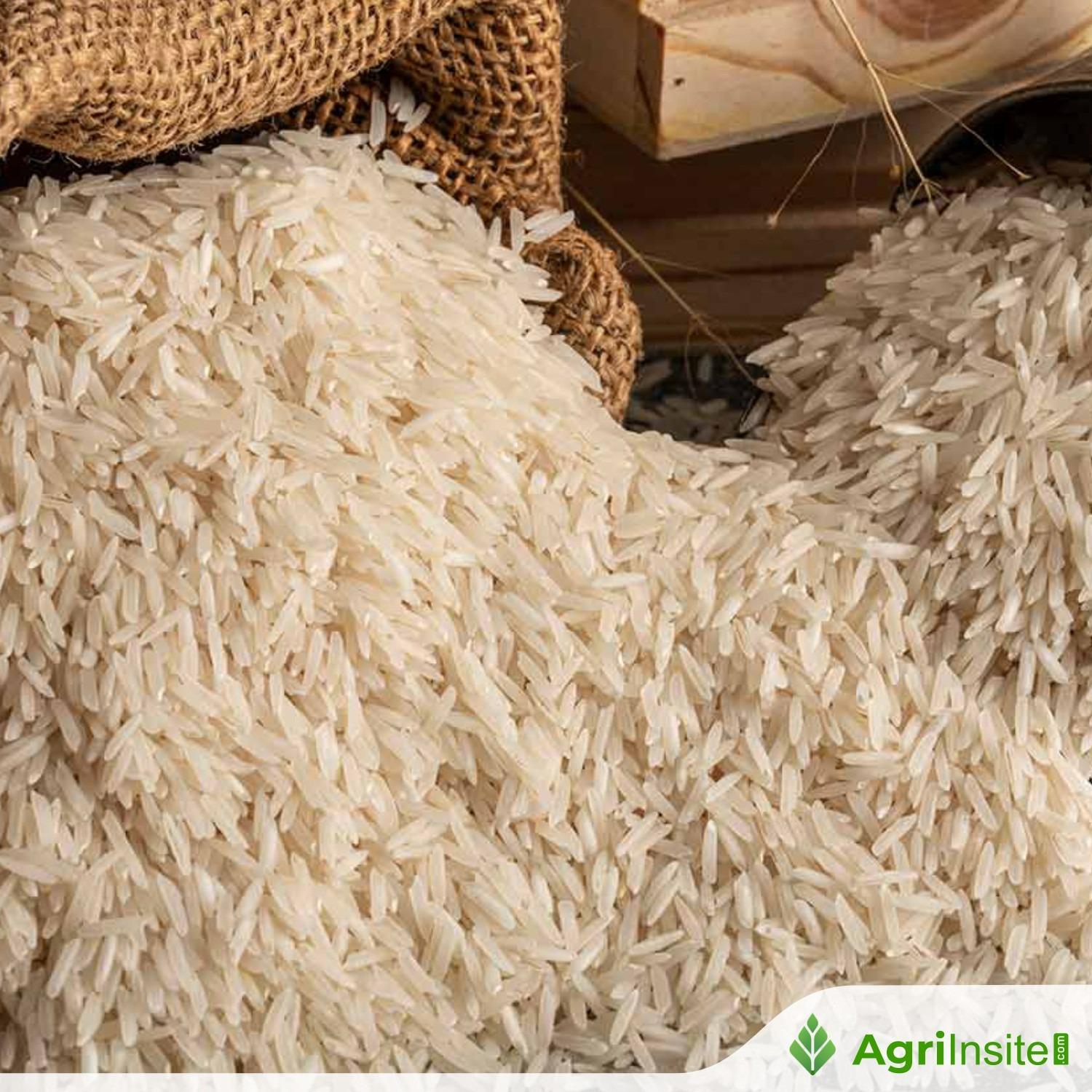
Indian rice prices are firming as Tamil Nadu seeks central approval for stock limits on rice and other essential commodities to curb hoarding and retail inflation. Indian FOB quotations for PR11 steam and 1121 creamy white sella have risen, while Vietnamese prices remain largely stable amid policy and weather uncertainty.
Indian rice prices are trending higher as Tamil Nadu seeks central approval to impose stock limits on rice and other staples, signalling growing political concern over retail inflation and potential curbs on speculative hoarding. Rice markets in South and Southeast Asia enter late October with a distinctly firmer tone. Retail prices in Tamil Nadu have moved well above India’s national average, pushing the state to formally ask New Delhi for the power to cap private stockholding of rice, pulses, edible oils and onions. While this remains only a request, the signal is clear: authorities are prepared to intervene more aggressively if inflation persists. Export quotations from India and Vietnam are stable to higher, and market participants are beginning to price in tighter domestic policy risk alongside weather‑related uncertainty.
Prices
FOB quotations in New Delhi show a clear upward move over October 2026. Indian non-basmati steam types have gained, with PR11 steam up from EUR 0.32 to EUR 0.37 per kg FOB and Sharbati steam from EUR 0.45 to EUR 0.50. Higher-value segments are also firmer, with 1121 steam at EUR 0.75 and 1509 steam at EUR 0.68 per kg FOB, versus EUR 0.70 and EUR 0.64 earlier in the month. Golden sella has risen from EUR 0.81 to EUR 0.85 per kg FOB, while 1121 creamy white sella advanced from EUR 0.60 to EUR 0.65.
Vietnamese FOB prices are comparatively stable but hold a slight upward bias in key grades. Long white 5% remains quoted at EUR 0.35 per kg FOB, with fragrant types such as Jasmine at EUR 0.37 and Homali at EUR 0.51. Specialty segments including black and glutinous rice are steady at elevated levels. The relative firmness across India and Vietnam reflects both strong import demand and the risk premium from policy and weather uncertainty.
| Origin | Type | Latest price (EUR/kg FOB) | Change vs mid-Oct (EUR/kg) |
|---|---|---|---|
| India, New Delhi | Rice, all steam, PR11 | 0.37 | +0.05 |
| India, New Delhi | Rice, all golden, sella | 0.85 | +0.04 |
| India, New Delhi | Rice, white sella, 1121 creamy | 0.65 | +0.05 |
| Vietnam, Hanoi | Rice, long, white, 5% | 0.35 | ≈0.00 |
| Vietnam, Hanoi | Rice, Jasmine | 0.37 | ≈0.00 |
Supply & Demand and Policy Backdrop
The key short-term development is Tamil Nadu’s formal request to the central government to authorise stock limits on rice, pulses, edible oils and onions. The proposal, driven by retail prices in Tamil Nadu consistently exceeding all-India averages, would cap rice holdings by wholesalers and retailers and thus directly target hoarding and speculative inventories. Importantly, this remains a request for concurrence under the Essential Commodities Act rather than a nationwide order, but it signals a clear political willingness to tighten controls if prices do not ease.
The state explicitly links its move to “global factors” and weather-related crop issues, arguing these could incentivise stockpiling and black marketing. This follows earlier central actions imposing stock limits on wheat and on pulses in recent years to cool prices. In parallel, Tamil Nadu is already using market-intervention tools such as subsidised fine rice distribution through cooperative outlets, which underscores the intensity of local food inflation pressures. Should New Delhi approve stock limits, traders across South India may accelerate destocking or shorten forward positions, tightening nearby availability but also potentially flattening speculative spikes.
Fundamentals and Weather
Fundamentally, domestic demand in India remains robust, with higher household outlays on cereals amid broad food inflation. The combination of strong consumption, earlier export restrictions and now the prospect of stockholding caps in Tamil Nadu contributes to a perception of tighter nearby supplies, even though national production is not yet confirmed to be sharply lower. Retail data cited by the state show rice prices in Tamil Nadu markedly above the national average, indicating regional supply bottlenecks and logistics or policy frictions.
Weather remains a watch factor. Authorities have cited recent El Niño impacts and localised crop stress as part of the justification for stronger controls, even as the current kharif harvest period progresses. Any additional monsoon irregularities or late-season flooding in key southern rice belts would amplify concern over 2026/27 output and keep a risk premium embedded in prices. Conversely, if harvest data confirm only modest yield losses, attention will shift more squarely to policy and trade decisions as primary price drivers.
Short-Term Outlook and Trading Strategy
Over the coming weeks, rice markets will focus on whether New Delhi endorses Tamil Nadu’s stock-limit proposal, the exact thresholds applied for rice and paddy, and whether other states emulate this approach. Even without immediate implementation, the political signal alone is likely to deter aggressive stock-building and encourage faster rotation of inventories. For exporters, rising FOB quotes out of India combined with relatively firm Vietnamese levels suggest limited downside near term unless there is a decisive shift in policy or a surprise improvement in supply sentiment.
- Importers / Buyers: Consider advancing purchases or at least securing partial coverage for Q4–Q1 needs, especially for Indian steam and sella grades, before any formal stock limits or additional domestic interventions trigger further basis tightening.
- Exporters / Millers in India: Maintain disciplined offer strategies; recent price gains justify holding close to current FOB levels but avoid excessive forward commitments until the policy path on stock limits and any new central directives becomes clearer.
- Traders / Distributors in South India: Review inventory strategies and ensure strong documentation and transparency, as potential state or central inspections may increase if stock limits are approved or if further anti-hoarding campaigns are launched.
3-Day Directional View
- India, New Delhi FOB: Bias moderately firmer for steam and sella grades as the market digests Tamil Nadu’s proposed stock controls and ongoing retail price tension.
- Vietnam, Hanoi FOB: Mostly steady with a mild upward tilt, tracking Indian strength and sustained import demand but without fresh domestic policy shocks.
- South India domestic (Tamil Nadu focus): Retail prices likely to stay elevated in the very short term, with only limited relief from state subsidies until any central ruling on stock limits is announced.
To Read more about Rice News continue reading Agriinsite.com
Source: CMB News