India turns to new grain storage methods as phosphine resistance reaches 100%

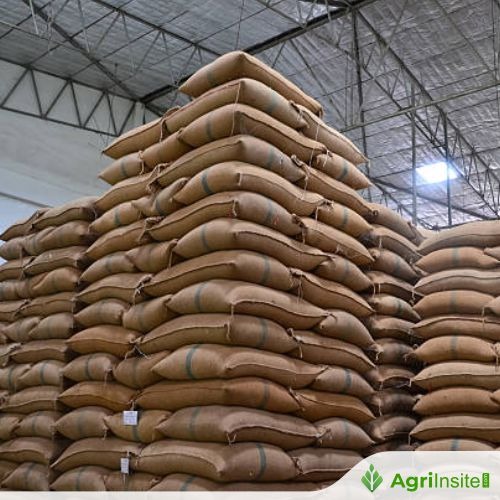
ICAR and FCI launched a three-year project to develop sustainable grain-storage fumigation methods as phosphine resistance reaches 72–100% in key states. Trials will test nitrogen, CO₂-phosphine and CO₂ systems, aiming to reduce chemical dependence, storage costs and residues, while supporting regional standards.
India is launching a three-year research project to develop alternative methods for protecting strategic grain stocks. The Indian Council of Agricultural Research (ICAR) and the Food Corporation of India (FCI) have signed an agreement to test more sustainable fumigation technologies.
The move comes as resistance to phosphine, the main gas traditionally used to protect stored grain from pests, has reached critical levels. In key agricultural states, phosphine resistance has risen to 72–100%, making standard treatment regimes increasingly ineffective.
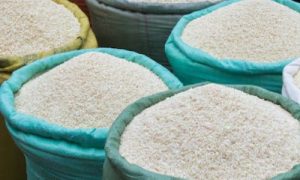
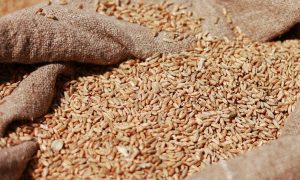
The project will test three main technologies: fumigating wheat in metal silos with pure nitrogen, treating bagged rice and wheat with a combination of CO₂ and phosphine, and using carbon dioxide in sealed protective storage systems.
Growing resistance has already forced storage operators to increase fumigation doses and treatment frequency, raising storage costs and increasing concerns over toxic residues. The new methods are intended to reduce dependence on conventional chemical treatments.
Trials will be conducted in Punjab at ICAR-CIPHET during the first two years, followed by another year of testing across different climatic zones in India. The project is expected to support the development of regional grain storage standards.
To Read more about Wheat News continue reading Agriinsite.com
Source : Ukr Agro Consult