Karnataka sugarcane farmers urge Ramesh Chand panel to fix ex-field pricing for FRP

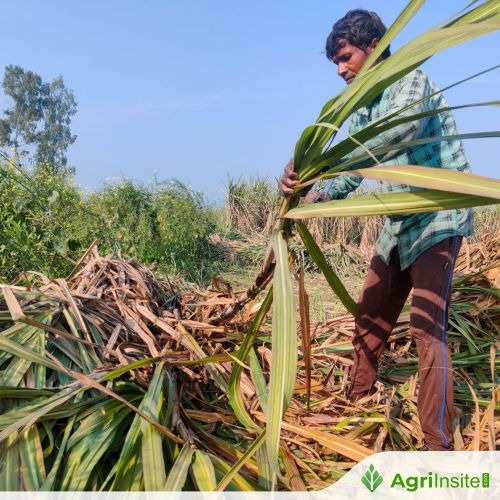
Karnataka sugarcane farmers have urged the Ramesh Chand Committee to adopt ex-field FRP pricing, ensuring growers receive the full government-announced price without harvesting and transport deductions. They also demanded FRP of ₹4,500–5,500 per tonne, sugar MSP of ₹60/kg, profit-sharing from by-products and an end to mechanical harvesting weight deductions.
A section of the Karnataka sugarcane farmers have urged the Prof Ramesh Chand Committee to adopt an ex-field pricing mechanism for fixing the Fair and Remunerative Price (FRP), arguing that growers should receive the full government-announced price at their farm gate without any deductions towards harvesting and transportation costs by the factories.
The cane growers met Ramesh Chand committee in Bengaluru on Thursday and submitted their views on the cane pricing and cost of cultivation. Following the farmer agitation in North Karnataka recently, the Centre had set up a committee under Prof Ramesh Chand, former member NITI Aayog member to examine the issues raised by the sugarcane farmers and recommend appropriate measures to address their concerns.
Farmers have been demanding an increase in FRP to a minimum of ₹4,500- ₹5,500 per tonne and a hike in minimum selling price of sugar to ₹60 per kg from the current ₹31 per kg. The Centre had fixed a FRP of ₹3,650 per tonne of cane for 2026-27 season starting October.
Highlight financial woes
Kurbur Shantkumar, State President of the Indian Sugarcane Farmers Association, said currently substantial amounts are deducted from farmers’ payments towards sugarcane harvesting wages and transportation charges, reducing the actual price they receive below the government-announced FRP. Fixing the FRP at the farm gate, or on an ex-field basis, would ensure that farmers receive the full stipulated price, he said.
In a memorandum submitted to Prof Chand, the growers highlighted the severe financial difficulties faced by them due to continuously increasing agricultural production costs, improper prices, exploitation by sugar factories, drought, crop losses and debt burden. The Central and State Governments need to take urgent and effective steps to protect the interests of farmers and make agriculture profitable, they said.
While all production costs including sugarcane seeds, fertilisers, farm wages, irrigation, electricity, diesel, harvesting and transportation have increased significantly, the price for sugarcane being received by farmers is not in line with the production cost, Shanta Kumar said.
Seek profit sharing
Citing the report of the Sugarcane Development Commissioner, Karnataka, submitted to the Central Agricultural Prices Commission, which stated that the cost of producing one tonne of sugarcane last year was ₹4,450 in the state, Shanta Kumar said: “Accordingly, we demand that the Union Government should increase the FRP rate of sugarcane to at least ₹4,500 per tonne for a sugar yield of 10.25 per cent.”
Further, sugarcane farmers have called for a profit-sharing mechanism that takes into account the additional revenue sugar mills earn from by-products such as molasses, bagasse, ethanol and co-generated power. Citing the Sugarcane (Control) Order, 1966, they have urged the government to factor in these earnings and ensure that farmers receive a share of the profits generated from sugarcane and its by-products.
They have also demanded that sugar recovery be scientifically assessed for each farmer’s field and that FRP be determined accordingly. Currently, sugar mills calculate average sugar recovery based on the total cane supplied by all farmers and pay them accordingly, a system that is disadvantageous to growers who produce higher-quality sugarcane, Shanta Kumar said. The farmers have also called for an end to the practice of deducting 8–10 per cent of the cane weight as wastage during mechanical harvesting, stating that such deductions without scientific assessment or legally prescribed standards amount to exploitation of farmers.
To Read more about Sugar Industry continue reading Agriinsite.com
Source : BusinessLine