Kenya targets higher local rice production as imports hit 900,000 tonnes

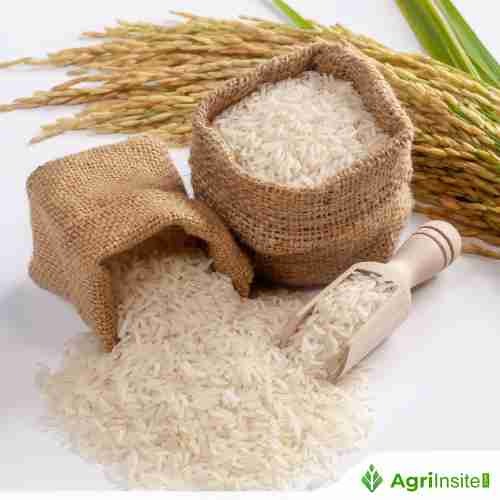
Kenya is expanding rice production through quality seed distribution, technical assistance and irrigation investments to reduce import dependence. Domestic output reached a record 305,000 tonnes last year, but imports remain substantial. Authorities are also prioritising milling capacity, farmer cooperatives and infrastructure to strengthen local production.
The government is stepping up efforts to increase local rice production through the distribution of quality seeds and technical support to farmers as Kenya seeks to reduce its dependence on imports.
Agriculture and Food Authority (AFA) chairman Cornelly Serem said the country imports about 900,000 tonnes of rice annually against a national demand of 1.1 million tonnes, leaving a significant gap that local producers have struggled to bridge.
Speaking during a rice stakeholders’ conference bringing together farmers, millers and marketers, Serem said local production had increased from 192,000 tonnes in 2022 to a record 305,000 tonnes last year.
Despite the improvement, the country still imported about 800,000 tonnes last year to meet domestic demand.
He said the authority had procured 333,000 kilogrammes of rice seeds for distribution to farmers this year, with plans to increase the quantity to one million kilogrammes next year.
“We want to support our farmers through the provision of quality seeds and technical assistance so that they can increase production and the country can reduce what we spend importing rice from outside,” he said.
Serem said increasing domestic production would not only reduce the country’s import bill, but also ensure farmers benefit more from their produce.
He identified access to quality seeds and climate change as some of the major challenges affecting rice production, noting that unpredictable weather patterns, prolonged dry spells and flooding were disrupting farming activities.
He called for closer collaboration between the national and county governments to help farmers manage climate-related challenges, particularly floods that destroy crops in rice-growing areas.
Serem said the government was engaging county administrations to identify interventions that could improve irrigation infrastructure and strengthen support services for farmers.
He also called for increased investment in local rice-milling facilities, warning that Kenya was losing opportunities to add value to its produce by exporting paddy rice to neighbouring Uganda for processing.
He said the country needed to expand its milling capacity so that locally produced rice could be processed domestically instead of being exported for milling and subsequently finding its way back into the Kenyan market.
The AFA chairman further challenged rice farmers to establish an organised representative body to champion their interests, similar to the Kenya Sugar Board, which represents sugarcane growers.
He said a unified voice would enable farmers to articulate their concerns, protect themselves from exploitation by brokers and cartels, and engage the government more effectively.
He said rice-harvesting seasons differ across production areas, making it necessary for the government to consider local harvest cycles when making decisions on rice imports.
An organised farmers’ body, he said, would help ensure imports do not undermine local producers by entering the market when farmers are harvesting their crops.
Meanwhile, Kisumu county said it was investing in irrigation infrastructure, cooperative societies, and affordable credit facilities to increase rice production and improve farmers’ access to markets.
Agriculture executive member Kenneth Onyango said the administration was expanding community irrigation schemes through its own resources and support from development partners.
The county is also strengthening cooperative societies to help farmers aggregate their produce and negotiate better prices, reducing exploitation by middlemen and cartels.
Onyango said the county was providing grants to cooperatives to enable them to offer affordable loans to farmers, noting that accessing credit from commercial financial institutions remained expensive.
The county has also invested in desilting irrigation canals to improve water distribution and is working towards solarising water-pumping systems at Ahero to reduce the high electricity costs borne by farmers.
Through support from the Hungarian government, funding has been secured to solarise the pumping systems, with work already underway.
He said they are also planning to line irrigation canals to minimise water losses through seepage.
In neighbouring Homa Bay, the county government said it had increased land under rice cultivation to 3,000 acres, but still had another 7,000 acres of potentially productive land lying idle due to incomplete irrigation infrastructure.
Homa Bay agriculture executive member Joash Aloo attributed the situation to delays in completing the Lichkemere Irrigation Scheme, which was initially supported by the African Development Bank.
Aloo said several sections of the scheme were still not receiving adequate water, exposing farmers to losses whenever rainfall became unpredictable.
He appealed to the National Irrigation Authority to operationalise and complete the project, saying the additional 7,000 acres could significantly increase rice production.
Aloo said although agriculture was a devolved function, county governments continued to face financial constraints, with much of the resources required for major irrigation projects remaining at the national level.
He further warned that continued dependence on imported food was putting pressure on foreign exchange reserves and household incomes.
Aloo said increasing local agricultural production would improve food security and allow households to save money that would otherwise be spent purchasing food.
To Read more about Rice News continue reading Agriinsite.com
Source : The Star