Kenya’s maize harvest faces up to 36% yield drop as El Niño brings new flood risk

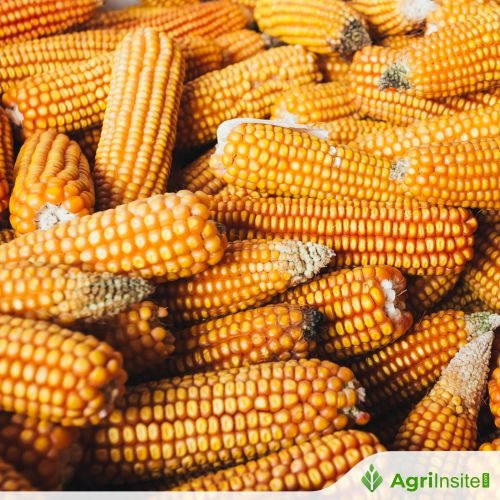
Kenya’s maize yields could fall up to 36% below average in some major western-producing counties after erratic rainfall, prolonged moisture deficits and high temperatures. Meanwhile, above-normal October–December rainfall is forecast, with a 70–90% probability, raising risks of flooding, landslides and other weather-related disruptions.
Kenya’s maize harvest is facing losses of up to 36 per cent below average in some major western producing counties, even as forecasts point to a much wetter October-to-December season that could bring a new threat: flooding.
The warning comes from the October 2026 Crop Monitor for Early Warning, which says erratic rainfall, prolonged moisture deficits and high temperatures have damaged crop prospects across Kenya’s major producing western half.
At the same time, the report forecasts above-normal October-to-December rainfall for Kenya, with the ECMWF putting the probability of above-normal rains in the wider forecast area at 70 to 90 per cent.
The result is a sharp shift in Kenya’s agricultural risk: farmers are coming out of an exceptionally dry season, but some parts of the country are now facing the prospect of heavy rainfall and flooding.
Western Kenya hit
Harvesting is underway in Kenya’s unimodal and major-producing western regions, but the Crop Monitor says conditions have deteriorated after months of erratic rainfall and high temperatures.
“Erratic rains and prolonged deficits since April as well as high temperatures are expected to result in poor yield outcomes across most areas, particularly in the major producing western half of the country,” the report says.
The Kenya-specific maize forecast is based on estimates produced under the Kenya ADAPT project in partnership with the Ministry of Agriculture, using the GEOCIF crop yield forecast model.
The report estimates that maize yields could be “up to 36 percent below average in some major producing counties in the west.”
The figure is a forecast for specific major-producing counties, not a prediction that Kenya’s entire maize harvest will fall by 36 per cent.
The wider rainfall picture explains the pressure on crops.
The Crop Monitor says the June-to-September 2026 rainfall season was exceptionally poor across northern and western East Africa, with western Kenya among the areas where the season ranked as the driest on record.
In western and North Rift Kenya, seasonal rainfall deficits of 100 to more than 300 millimetres were recorded.
The report also says record-high maximum temperatures were observed in rainfall-deficit areas, further increasing moisture stress on crops.
“El Niño-driven severe dry conditions reduced pasture and surface water availability and are likely to result in below-average crop yields in many locations across the region,” the Crop Monitor says.
For Kenya’s maize farmers, much of the damage from the dry spell therefore comes before the next major rains arrive.
Rains bring risk
The coming rainfall season could provide relief, but it also presents a different danger.
The Crop Monitor forecasts above-average and generally well-distributed October-to-December short rains in Kenya.
Those rains are particularly important in the country’s bimodal eastern and southeastern agricultural areas, where the short-rains season contributes more than 40 per cent of annual rainfall.
But the report cautions that the same rainfall could become hazardous if it is excessively heavy or persistent.
“Above average and heavy rains could also result in flooding in areas,” the report says.
The forecast is being driven partly by a very strong El Niño expected to persist from September 2026 into January 2027, alongside developing positive Indian Ocean Dipole conditions.
The Crop Monitor says El Niño and positive IOD conditions tend to enhance October-to-December rainfall, increasing the risk of heavy and damaging rainfall events.
The ECMWF forecast cited by the report gives a 70 to 90 per cent chance of above-normal October-to-December rainfall in the highlighted areas.
That does not mean every part of Kenya will receive excessive rain. But it signals a significantly wetter seasonal outlook after the severe dryness of the previous months.
Flood hotspots loom
The report specifically identifies northeastern and southeastern Kenya and the Tana River basin among areas with highly elevated risks of flash or riverine flooding.
Heavy and persistent rainfall could also increase the risk of landslides, displacement, disease outbreaks and transport disruptions.
The forecast indicates that wetter conditions could expand into central and western Kenya in mid-to-late October, while drier-than-average conditions could persist in western and northern areas into early October.
For agriculture, that creates an uneven picture as rainfall could replenish depleted water supplies and improve conditions in areas that still have crops capable of benefiting from additional moisture. But intense rainfall can produce flooding and other damage, particularly in vulnerable riverine and low-lying areas.
The report therefore warns that the coming season requires close monitoring rather than assuming that more rain automatically means a recovery.
For Kenya’s maize sector, the immediate concern remains the yield damage already associated with months of drought and heat. The new concern is whether the rains that follow will arrive at the right intensity and distribution, or create another round of agricultural losses through flooding.
Kenya is consequently entering the October-to-December season with two very different weather risks at once: a maize harvest already under pressure in major western producing areas, and a forecast for substantially wetter conditions that could raise flood risks elsewhere.
The most closely watched number for maize farmers is 36 per cent.
For communities in flood-prone parts of northeastern and southeastern Kenya and the Tana River basin, the number to watch is the rainfall that comes next.
To Read more about Maize News continue reading Agriinsite.com
Source : People Daily