Low fertilizer offtake, monsoon deficit likely to reduce wheat output

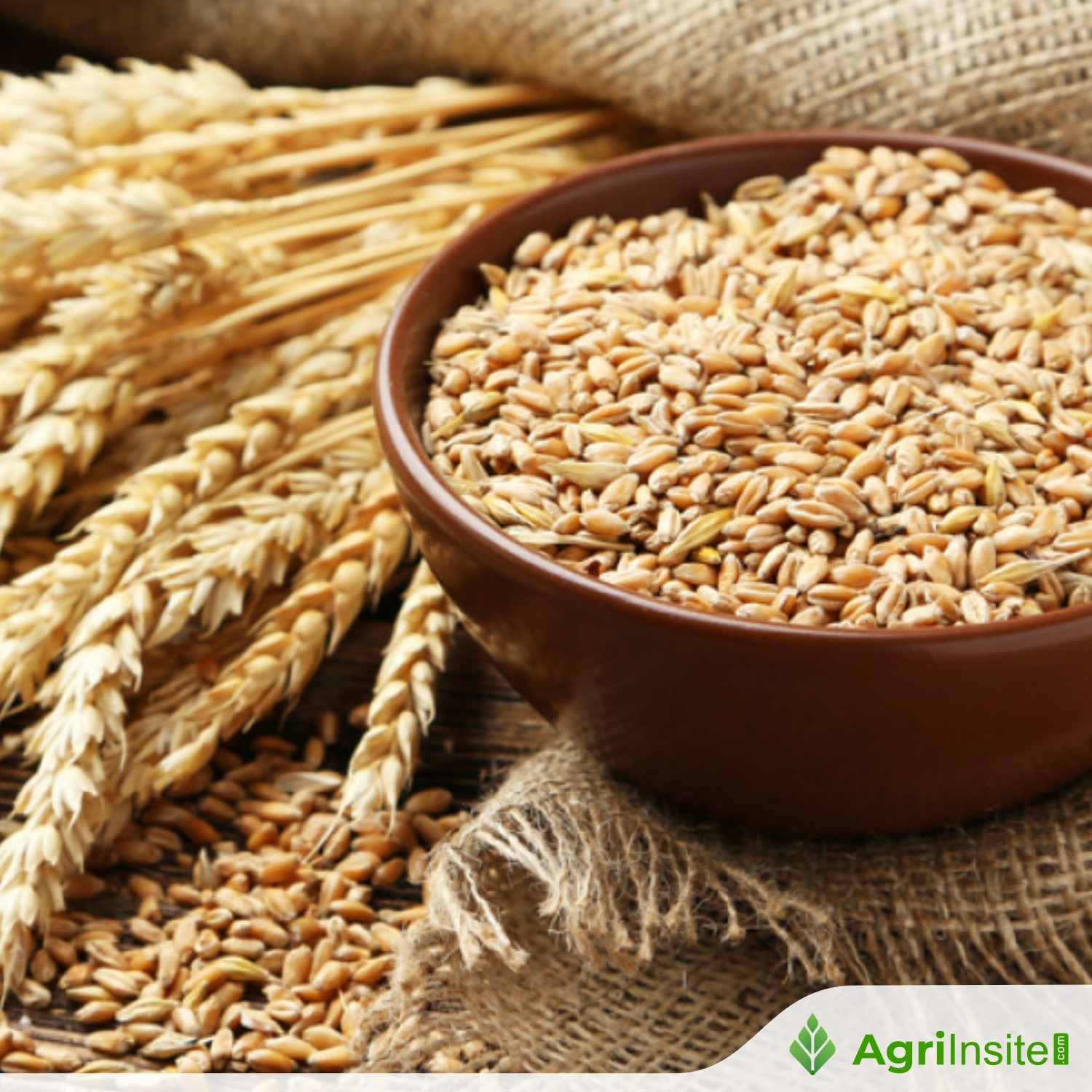
India’s wheat production outlook faces a downturn due to weak monsoon moisture and reduced fertilizer offtake. Current wheat sowing is down over 15% at 50 lakh hectares, led by drops in Haryana and Uttar Pradesh, while total seasonal acreage could decline over 6%.
NEW DELHI: India’s wheat production outlook is expected to decline due to reduced soil moisture caused by weak Southwest and Northeast monsoons, which has also led to lower offtake of fertiliser. Currently, there has been a 15% decrease in the area sown with wheat across the country, prompting farmers to turn to other crops for better returns.
“Certainly, compared to a normal year, there will be some reduction in production, but it will not be as significant as some are predicting,” said Suresh Kumar Chaudhari, Director General of the Fertilizers Association of India (FAI), in Delhi.
Reports indicate that wheat acreage will decline by over 6%, marking the highest decrease in over two decades. The current wheat acreage stands at around 50 lakh hectares, which is more than 15% less than the previous year. The most significant drop in acreage has occurred in Haryana, followed by Uttar Pradesh. In contrast, Madhya Pradesh has seen an increase in acreage compared to last year.
As the world’s second-largest producer of wheat, India plays a crucial role in the global market. A decrease in production could impact domestic food inflation as well as the international market. Additionally, paddy crops in Southern India face challenges due to large deficits in rainfall during both summer and winter seasons.
The potential decline in production is also indicated by a reduced off-take of fertilizers, despite higher stocks of various fertilizers compared to the previous year. Between April and October 2026, consumption of major fertilizers decreased: Urea by around 4%, Nitrogen-Phosphorus-Potassium (NPK) by over 25%, super phosphate by over 5%, and Muriate of Potash by 11%. However, di-Ammonium Phosphate (DAP) consumption increased by 1.6%. Experts explain that the limited supply of cheaper Urea has forced farmers to buy DAP at a higher price as a substitute.
“The trend will be almost similar,” said S Sankarasubramanian, Chairman of FAI and MD & CEO of Coromandel International.
To Read more about Wheat News continue reading Agriinsite.com
Source : The New Indian Express