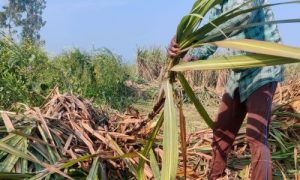
Maharashtra steps up mechanised sugarcane harvesting; 2,720 harvesters available for 2026-27 season

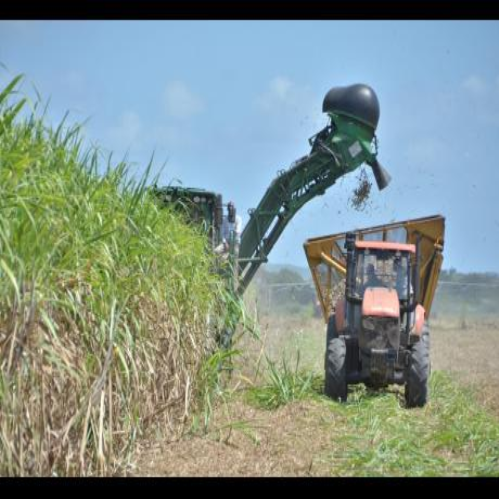
Maharashtra has 2,720 sugarcane harvesters expected to cover 2.15 lakh hectares during the 2026-27 crushing season, addressing labour shortages and harvesting delays. Mechanisation costs ₹450–₹500 per tonne versus ₹366 manually, while concerns remain over cane losses, weight reductions and fodder collection.
Maharashtra’s sugar industry is increasingly adopting mechanised sugarcane harvesting to address labour shortages and ensure timely cane supply to factories during the 2026-27 crushing season. A total of 2,720 sugarcane harvesters are available across the state, with the machines expected to cover approximately 2.15 lakh hectares, reported Agrowon.
Of the available machines, 321 are owned by sugar factories, while the remaining 2,399 have been hired by mills on a contractual basis. Factories are prioritising mechanical harvesting to streamline cane procurement and avoid delays in crushing schedules.
Maharashtra has around 12-14 lakh hectares under sugarcane cultivation, although the area varies from year to year. This season, inadequate rainfall and water scarcity in certain regions could affect crop growth, making timely harvesting and transportation of available cane particularly important.
Mechanical harvesters reduce dependence on manual labour and enable larger quantities of sugarcane to be harvested within a shorter period. Under favourable field conditions, a single machine can harvest up to 200 tonnes of sugarcane a day.
However, actual harvesting capacity depends on several factors, including cane yield, land gradient, row spacing, field layout and machine capacity. Operations are generally more efficient in large, contiguous fields, while fragmented plots can increase the time required for harvesting.
Mechanical harvesting is estimated to cost between Rs 450 and Rs 500 per tonne, compared with approximately Rs 366 per tonne for manual harvesting. The rates may vary depending on the sugar factory and local harvesting conditions.
Although mechanisation offers advantages in terms of speed and reduced dependence on labour, it also presents certain challenges for farmers. Some cane may remain unharvested in the field, while growers have raised concerns that the weight recorded after mechanical harvesting could be reduced by 6-7% due to the inclusion of mulch and other material-related losses.
As mechanical harvesters cut sugarcane into smaller pieces, collecting the remaining cane trash for use as animal fodder also becomes difficult. Reducing harvesting losses and ensuring transparency in weight calculations are therefore important considerations in expanding mechanisation.
The Centre’s Sub-Mission on Agricultural Mechanization (SMAM) provides financial assistance to eligible Custom Hiring Centres for purchasing sugarcane harvesting machines.
However, investment decisions need to account for the initial cost of machinery, fuel, maintenance expenses and the actual number of operating days. Alongside increasing mechanised harvesting, mills and policymakers will also need to consider its economic impact on farmers and the availability of fodder.
Maharashtra Sugar Commissioner Sanjay Kolte said mechanised harvesting was gaining momentum in the state as it enabled larger quantities of sugarcane to be harvested in less time. He noted that the number of harvesters was increasing annually, supported by government incentives. Around 400 harvesting machines received subsidies last year, and sugar factories are expected to continue prioritising mechanical harvesting during the current season.
To Read more about Sugar Industry continue reading Agriinsite.com
Source : ChiniMandi