Nepal seeks shift from manual to mechanical rice transplantation

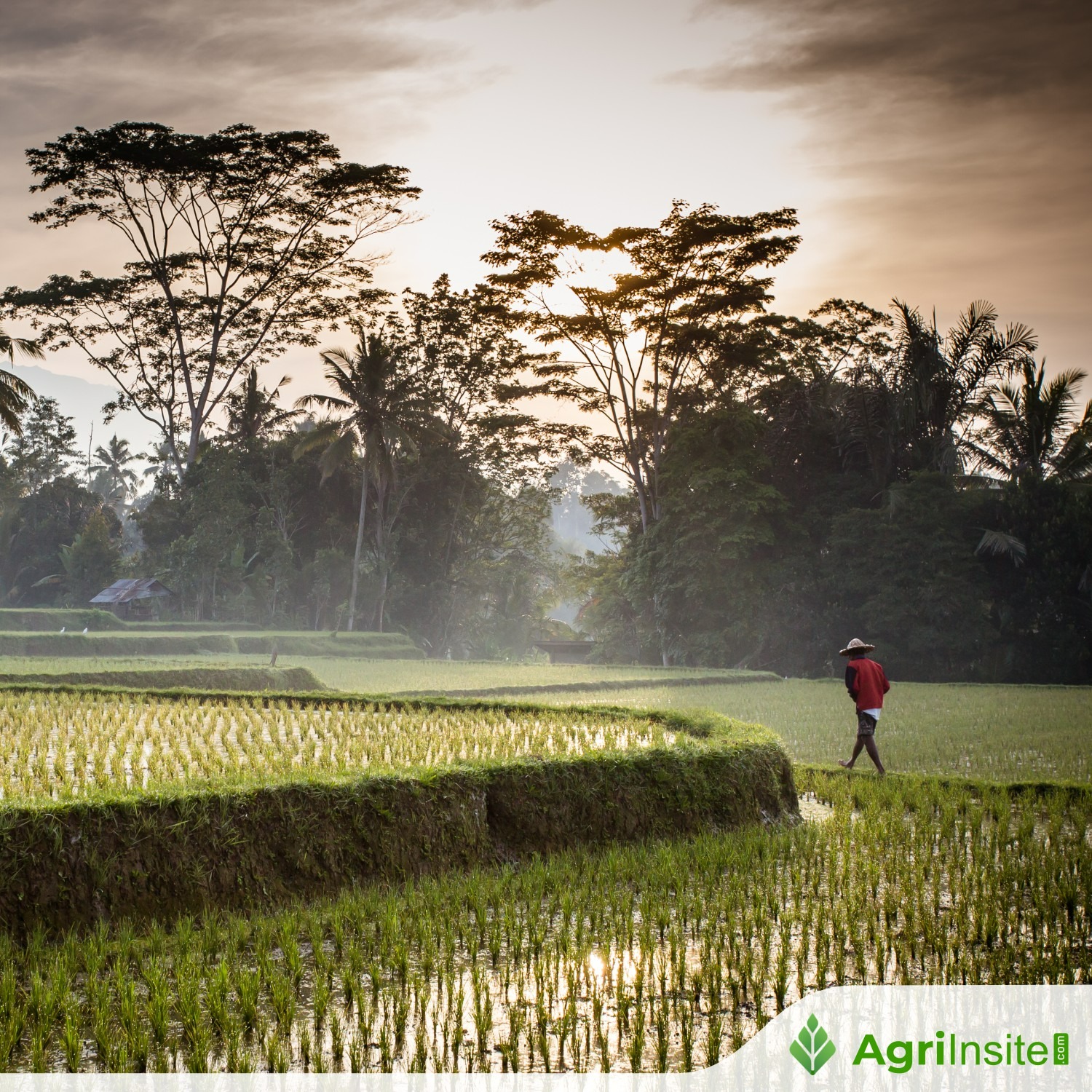
Nepal rice experts called for affordable, sustainable mechanisation to reduce labour dependence and improve productivity. With rice covering 1.42 million hectares and annual imports of 772,000 tonnes, the proposed 2028–2030 KOPIA project will focus on mechanical transplanting, DSR, technology access and sustainable rice self-sufficiency.
Rice specialists from Nepal’s research, education and agricultural extension institutions have called for an affordable and sustainable mechanisation system to reduce dependence on manual transplanting and improve rice production and productivity.
They made the remark at a one-day seminar organised by the KOPIA Nepal Centre at Khumaltar on Wednesday to develop a roadmap for its proposed 2028–2030 rice project.
The seminar, titled “2028–2030 KOPIA Nepal Rice Project Roadmap Development”, brought together experts to generate a strategic, evidence-based foundation for its next rice project, with particular emphasis on establishing and scaling a mechanical transplanting system adapted to Nepali conditions.
Rice is Nepal’s staple food crop, cultivated on around 1.42 million hectares, with annual production of about 5.96 million tonnes. The average productivity of paddy remains at 4.2 tonnes per hectare. Due to lack of mechanization and easy access to agricultural inputs and tools, the production of paddy and productivity could not increase at desired rate.
Despite this, the country imports around 772,000 tonnes of rice annually, worth approximately Rs. 39 billion.
A shortage of high-quality hybrid seed, irrigation, fertiliser, mechanisation, processing and marketing facilities all constrain output — but it is the shrinking supply of farm labour that has left transplanting, still carried out almost entirely by hand, the most exposed step in the cycle. They said the declining availability of farm labour has made transplanting, which is still largely carried out manually, particularly vulnerable.
Affordable before advanced in rice mechanisation
Addressing the event, Dr. Song Young Ju, Director of the KOPIA Nepal Centre, underlined the need for an affordable and sustainable farm mechanisation system for rice, and for the sustained cooperation among stakeholders that reaching self-sufficiency in rice production would require.
“The seminar is not to showcase machines or promote a single technology, but to understand together why rice mechanisation is needed, why mechanical transplanting has not spread widely, and which problems must be solved first,” he said.
The recommendations received from the seminar will be compiled into a technical brief and used to prepare the concept note for the second phase of the KOPIA rice project.
A baseline survey of transplanting methods, labour use, costs and machinery access is planned for 2027 to establish the reference figures against which the project’s results will be measured.
During the programme, Prof. Dr. Lal Prasad Amgain presented an overview of challenges facing Nepal’s rice sector and strategic pathways towards higher productivity and self-sufficiency.
He stressed on the need of ensuring the access of modern agricultural tools to all farmers for modernisation and commercialisation of agriculture sector.
Likewise, Mahesh Regmi, Chief of the Bagmati Province Office of the National Agriculture Modernisation Programme, discussed strategies for establishing sustainable mechanical transplanting systems, including the technical, economic and institutional conditions required for their adoption.
Stating that the use of modern technology, from seedling preparation to harvesting, has been growing over the years, he, however, said that farmers still face challenges in procuring and using such technologies themselves due to their high cost and a lack of skills.
He added that the government has been providing subsidies to farmers to purchase such technologies.
Chief of the National Agronomy Research Centre, Dr. Himal Timilsina presented direct-seeded rice (DSR) as a labour-saving and climate-smart alternative.
He discussed the current status of DSR, technical constraints, varietal requirements and weed management.
On the occasion, Dr. Bhanu Bhakta Pokhrel, Director of Planning and Coordination at NARC, chaired the panel discussion, which focused on technologies, technical and institutional barriers, and economic factors affecting the adoption of mechanised rice transplanting and direct-seeded rice (DSR).
Panelists examined the technologies needed to accelerate the transition from manual transplanting toward mechanised crop establishment, the technical, economic and institutional barriers holding back wider adoption, and the specific areas where DSR should be promoted instead.
The discussion also weighed the part KOPIA should play in accelerating farm mechanisation in rice, and how responsibilities should be shared among NARC, NAMP, the Department of Agriculture, IRRI, local governments and private machinery businesses.
From varieties to systems: The centre’s second phase
The KOPIA Nepal Centre was established on 29 May 2025 within the NARC premises at Khumaltar, with the goal of developing and disseminating modern agricultural technologies to raise farm productivity and farmer income in Nepal.
As NARC’s implementing partner, it launched its first rice project, “Enhancement of rice production through the use of improved technologies in Nepal”, at the National Rice Research Programmme (NRRP) in Hardinath, Dhanusha.
That first phase concentrates on developing short-duration rice varieties for the main and spring seasons and distributing them across Madhes and Lumbini provinces.
The centre now intends to extend the work into a second phase aimed at transforming traditional rice farming into a mechanised, efficient, adaptable and sustainable system — the shift that prompted today’s seminar.
To Read more about Rice News continue reading Agriinsite.com
Source : The Rising Nepal