Nepal : Sugar prices rise despite adequate stocks claim

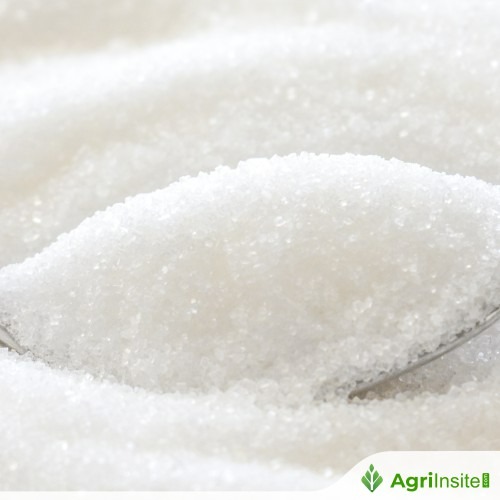
Sugar prices in Nepal have risen by around Rs15 per kg after India banned sugar exports until September 2026. Despite retail prices reaching Rs110/kg, Nepal says domestic and imported stocks are sufficient for six months, though concerns remain over festive-season shortages and market manipulation.
Sugar prices have increased by around Rs15 per kg within a month after India imposed a fresh ban on sugar exports, but the government says it has no immediate plans to intervene in the market as domestic stocks remain adequate.
Sugar that sold for around Rs95 per kg a month ago is now priced Rs110 per kg in most retail outlets across the country.
Despite the price increase, Nepal does not plan to seek sugar supplies from India at present. Government officials, sugar producers and traders say existing domestic and imported stocks are sufficient to meet demand for at least the next six months.
Consumer rights activists, however, warn that prices could spiral further during the festive season unless the government takes proactive measures.
“The government should begin negotiations to import sugar through a government-to-government arrangement because traders have already started increasing prices,” said Madhav Timalsina, president of the Consumer Rights Investigation Forum.
According to Timalsina, the Ministry of Industry should immediately collect data on sugar demand and available stocks held by producers and traders. If a supply gap is identified, the government should explore alternative import sources through coordination among the Ministry of Agriculture, the Department of Commerce, and state-owned agencies such as Salt Trading Corporation and the Food Management and Trading Company.
He also criticised weak market monitoring, saying traders have used India’s export ban as a pretext to raise prices despite having adequate inventories.
“Sugar is an essential commodity, and demand will rise during the upcoming festive season. If the government does not intervene, consumers will bear the burden,” Timalsina said.
An industry ministry official, speaking on condition of anonymity, said discussions with stakeholders showed that existing stocks of both domestically produced and imported sugar would be sufficient until October.
“We are not requesting sugar supplies from India for now because stakeholders have informed us that current stocks are adequate,” the official said.
There is no justification for creating an artificial shortage and warned that those found manipulating the market would face action, the official warned.
However, the ministry said it could approach India if demand rises sharply during the festive season.
“Stakeholders informed us that prices could increase by around Rs5 per kg, mainly because of higher transportation costs rather than India’s export restrictions,” the official said.
On May 13, India banned sugar exports, including shipments to Nepal, citing concerns that El Niño-related weather conditions could reduce agricultural output and affect next season’s sugar production. The ban will remain in effect until September 30, 2026, or another notice.
The latest restriction follows a partial relaxation of a ban first imposed in 2023 and does not apply to exports destined for the European Union and the United States under specific quota arrangements.
“Our stocks are sufficient to meet sugar demand until Dashain,” said Shashi Kant Agrawal, president of the Nepal Sugar Mills Association.
“According to data available a week ago, domestic sugar mills hold around 100,000 tonnes of sugar, while Customs Department records show that another 70,000 tonnes has been imported in the current fiscal year. Prices may fluctuate slightly, but they are unlikely to rise sharply.”
The association says the current mill-gate price stands at Rs82 per kg, excluding value-added tax and transportation costs.
Agrawal also noted that although no precise data is available, an estimated 40,000 to 50,000 tonnes of sugar enters Nepal illegally through the southern border each year.
India, the world’s second-largest sugar exporter, had earlier allowed mills to export 1.59 million tonnes of sugar. Traders had already signed contracts for around 800,000 tonnes and more than 600,000 tonnes had been shipped before the latest restriction.
According to the Salt Trading Corporation, Nepal’s monthly sugar demand ranges from 20,000 to 25,000 tonnes and rises to around 30,000 tonnes during major festivals such as Dashain, Tihar and Chhath.
Annual demand stands at nearly 300,000 tonnes, while domestic production falls short by about 100,000 tonnes, requiring imports to bridge the gap.
Salt Trading is currently selling sugar at Rs98 per kg after purchasing it from private producers at between Rs89 and Rs95 per kg. In most private retail outlets, sugar is selling for around Rs100 or more per kg.
Nepal used to produce approximately 155,000 tonnes of sugar annually. Production has since fallen to around 120,000 tonnes as delayed payments from sugar mills pushed farmers out of sugarcane cultivation.
India first suspended sugar exports to Nepal in September 2023 after poor rainfall reduced sugarcane yields. The restriction was later extended beyond October 31, coinciding with Nepal’s peak festive season and triggering a sharp rise in prices.
Ahead of Dashain that year, sugar prices surged from around Rs88 per kg to as high as Rs160 per kg in the black market amid shortages.
Nepal subsequently sought permission to import 60,000 tonnes of sugar to meet festive demand, but India approved only 25,000 tonnes through the National Cooperative Exports Limited.
On January 20, 2025, India partially eased restrictions by allowing sugar mills to export 1 million tonnes of sugar, a move aimed at supporting domestic sugar prices that had fallen below production costs.
To Read more about Sugar Industry continue reading Agriinsite.com
Source : The Kathmandu Post