Nepal sugar prices rise to Rs 140/kg ahead of Dashain and Tihar

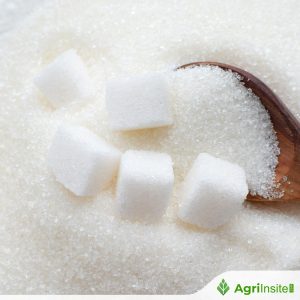
Nepal’s sugar prices rose to Rs. 130–140 per kg ahead of Dashain and Tihar, up from around Rs. 110 in mid-August. The government approved 25,000 tonnes of imports, while STC plans additional imports to improve supply and curb prices.
Kathmandu: Sugar prices have increased sharply in parts of the Kathmandu Valley ahead of Dashain and Tihar, with retail prices reaching as high as Rs. 140 per kg from around Rs. 110 a month ago, Rising Nepal Daily reported.
The rise comes as demand for sugar is expected to increase during the festive season, when households and businesses typically purchase larger quantities.
Nirmala Shakya of Sigal, Kathmandu-17, said she paid Rs. 140 per kg for sugar on Saturday, compared with Rs. 115 two weeks earlier. “I was surprised when I heard that the price of sugar had gone up by Rs. 25 per kilogram in two weeks,” she said.
Prices differ across locations. Sachita Simkhada of Gatthaghar, Bhaktapur, said she purchased sugar at Rs. 130 per kg on Friday.
Pabitra Bajracharya, president of the Nepal Retail Traders’ Association, said wholesalers had raised sugar prices to as much as Rs. 125 per kg within a month. Sugar was selling at around Rs. 110 per kg in mid-August, meaning consumers are now paying Rs. 20 to Rs. 30 more per kg depending on the location and retailer.
Bajracharya attributed the increase mainly to higher import costs and the influence of wholesalers and suppliers in the market. He said wholesalers had cited rising import prices as the reason for the increase and rejected claims that retailers were responsible.
Meanwhile, the Salt Trading Corporation (STC) is selling sugar at Rs. 105 per kg through its outlets, considerably below open-market prices. STC has reduced the sales limit to two kg per consumer from six kg after supply disruptions caused by the blockage of the Prithvi Highway, said Brajesh Jha, assistant chief executive officer of STC.
Jha said the price difference between STC outlets and the open market shows the importance of public-sector intervention in controlling prices. However, he said its impact would depend on whether adequate supplies reach the market before festive demand peaks.
Sugar prices have traditionally increased ahead of Dashain and Tihar as household and commercial demand rises.
Bajracharya said the recurring trend raises concerns about artificial shortages rather than an actual lack of sugar. “If there is a shortage, no one could get sugar in the market. But everyone gets sugar by paying more. It is an injustice to consumers,” he said.
The issue is more significant this year as domestic sugar production has largely ended, while the next sugarcane crushing season is not expected to begin until December.
The government has started measures to increase sugar availability and contain further price increases.
Netra Prasad Subedi, joint secretary at the Ministry of Industry, Commerce and Supplies, said the government had taken steps to increase market supply.
The Cabinet has approved permission for STC to import 25,000 tonnes of sugar at a concessional customs duty of 1 per cent.
“Until sugar imported under the customs subsidy arrives, we have planned to sell around 15,000 tonnes of sugar received from domestic sugar factories through public enterprises—the STC and Food Management and Trading Company,” Subedi told The Rising Nepal.
He said sales through public enterprises were expected to improve supply and ease prices.
STC will also begin purchasing sugar from India after the Indian government indicated its readiness to supply sugar to Nepal, Subedi said. He expressed hope that prices would start declining soon.
Nepal’s annual sugar requirement is around 250,000 tonnes, while domestic production can reach a maximum of about 190,000 tonnes.
Jha said the government could also reduce sugar price volatility by fixing the selling price of sugar produced by domestic mills, similar to the system used to determine the minimum price of sugarcane.
He said such a mechanism could help prevent unusually high sugar prices during the festive season.
“The role of public enterprises is high in market intervention and controlling artificial price hikes. The government should make a provision for sugar mills to sell at least 20 to 30 per cent of their production to public enterprises. If the government makes this provision, it would certainly help curb price hikes,” he said.
Jha said STC purchased around 600 tonnes of sugar from domestic producers on August 25.
After the Prithvi Highway was blocked following damage at Krishnabhir, the Corporation supplied around 3,000 tonnes of sugar to its outlets outside the Kathmandu Valley.
He said around 2,500 tonnes of sugar imported by STC from India is expected to start entering Nepal from Thursday. The Corporation has also begun the process of opening a letter of credit to import an additional 2,500 tonnes of sugar from India.
To Read more about Sugar Industry continue reading Agriinsite.com
Source : ChiniMandi