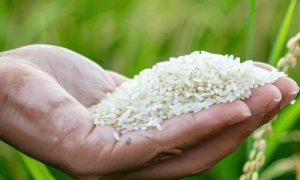
Pakistan approves genetically modified corn cultivation


Pakistan has agreed in principle to commercialise genetically modified corn alongside hybrid and organic maize, with a phased transition and safeguards. A government committee will finalise the implementation framework, addressing non-GM seed availability, contamination risks, stakeholder concerns and export-market requirements while promoting modern agricultural technology and higher productivity.
ISLAMABAD: Pakistan decided in principle on Monday to adopt cultivation of genetically modified corn in the country alongside existing hybrid and organic maize farming while following necessary safeguards.
The decision was made at a meeting of the Committee on Genetically Modified (GM) Corn, presided over by Finance Minister Muhammad Aurangzeb. “The committee agreed to finalise the comprehensive transition and implementation framework,” said the Ministry of Finance.
The meeting was attended by representatives from the public and private sectors, including the Secretary of the Ministry of National Food Security & Research, the Coordinator to the Prime Minister on Agriculture and Food Security, the CEO of Pakistan Green Initiative, relevant business and export sectors, and technical and scientific experts with domain knowledge, it added.
The meeting also “reached consensus on way forward” and decided that the process be completed expeditiously so that the recommendations could be taken forward for implementation by the concerned authorities.
The finance minister acknowledged the contributions of all members and stakeholders, saying the panel “had moved from differing positions towards a broad consensus on the way forward”.
The prime minister had constituted the committee to undertake an objective, scientific-based and evidence-driven review of Pakistan’s policy regarding the commercialisation of genetically modified maize. The US administration and a couple of its farm suppliers having licences for trial cultivation of GM corn have been asking Pakistan for years to go for commercialisation of GM corn to enhance crop output by 15-30pc.
“The committee reached consensus on co-existence of both local and GM maize cultivation in the country,” said an official, adding that all stakeholders had submitted written recommendations which would be put together for presentation to the prime minister along with implementation timelines and safeguard measures against risks highlighted by some stakeholders regarding contamination of local seeds and crops.
The meeting also reviewed progress on consultations with relevant stakeholders and discussed the proposed implementation and transition framework for the commercialisation of GM corn. “The committee emphasised a practical, well-defined framework that addresses the concerns of all stakeholders while ensuring the process remains aligned with the national interest,” the statement said.
It said the meeting discussed the principle of co-existence of GM and non-GM maize, in line with the approved National Agricultural Biotechnology Policy, and considered measures to ensure that both segments can continue to operate alongside each other.
Stakeholders also discussed the transition timeline, availability of non-GM seed and measures to ensure continuity of supply without unnecessary price escalation.
The committee discussed concerns raised by industry members, particularly regarding the transition period, the availability of non-GM seed, and the potential implications for the existing industry.
It was noted that the transition to GM maize would take place over time, allowing stakeholders to adapt to the emerging framework. The importance of maintaining the availability and supply of non-GM seed was also highlighted.
Participants emphasised the need for a comprehensive implementation framework with appropriate safeguards and clear guidelines to ensure effective coexistence of GM and non-GM maize.
The committee also stressed the importance of incorporating the views and recommendations of relevant stakeholders, including the seed industry, maize millers, academia and technical experts.
The finance minister directed that the exercise should not be limited to policy formulation but should also focus on effective implementation and transition, and called for realistic timelines while avoiding unnecessary delays and ensuring that the agreed framework is translated into action.
He said the recommendations should serve the national interest while maintaining appropriate safeguards and addressing the concerns of all relevant stakeholders.
The meeting also discussed the importance of adopting technology and modern agricultural practices, including improvements in harvesting, storage, and related infrastructure, to support the development and productivity of Pakistan’s agricultural sector.
Pakistan granted trial licences to two US-based firms — Corteva and Bayer — almost a decade ago but later cancelled them over biodiversity concerns and broader seed supply limitations.
Local companies involved in the export of maize and value-added products have also opposed GM corn commercialisation due to export risks related to food safety standards or preferences in export markets such as the EU, Australia, China, and New Zealand.
To Read more about Maize News continue reading Agriinsite.com
Source : Dawn