Philippines: DA braces for full impact of El Niño on rice output

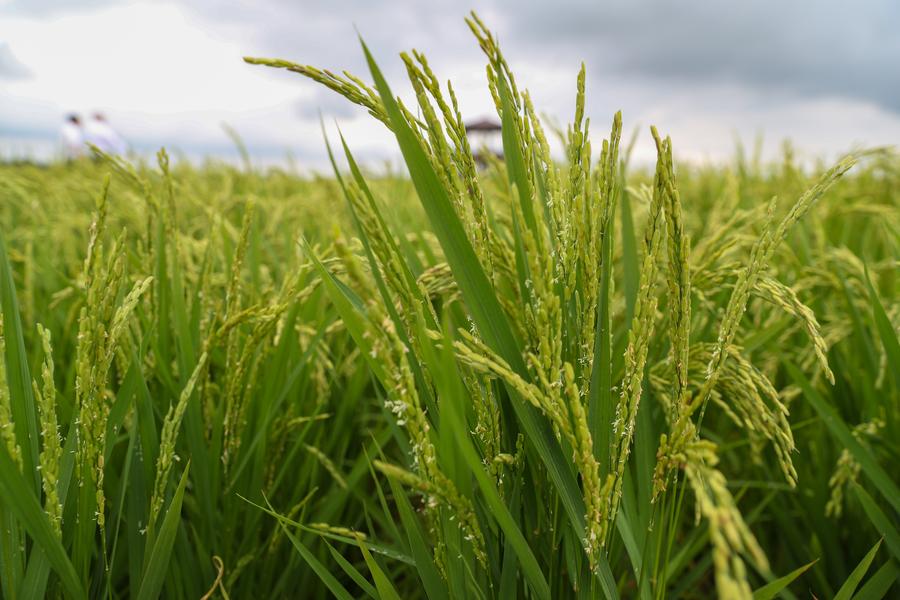
The Philippines expects palay production to decline 5% to 18.67 million tonnes next year as intensifying El Niño threatens rice cultivation. High input costs, irrigation constraints and delayed planting have also affected output, prompting the Agriculture Department to strengthen water management and promote climate-resilient varieties.
MANILA, Philippines — The Department of Agriculture (DA) is bracing for the “more significant effects” of the intensifying El Niño phenomenon on rice production in the first half of next year.
This could result in a further decline in local palay output, which is projected to fall by 5 percent to 18.67 million metric tons from the 19.67 million MT recorded by the Philippine Statistics Authority (PSA) in 2025.
“The extent of the impact will depend on the severity and duration of dry conditions, water availability, and the effectiveness of timely interventions,” the DA said in a statement on Wednesday.
This year, local palay production could also fall below 18 million MT for the first time since 2012, when output stood at 18.03 million MT.
Agriculture Undersecretary Christopher Morales said the agency had anticipated a contraction in local harvests in the third quarter of this year, primarily because of a decline in the area planted to rice as a number of farmers opted not to plant amid higher input costs.
However, Morales said the expected decline in production should not be attributed solely to El Niño.
Morales, who oversees the Rice Industry Development Program, noted that other factors had also affected farmers’ production decisions and cropping schedules, including high fertilizer and fuel costs, delayed planting, and irrigation constraints.
He also cited farmers’ reluctance to take on production risks, as well as weather disturbances, including heavy rains associated with the southwest monsoon, or “habagat.”
The El Niño phenomenon, however, is already taking its toll on the agriculture sector.
Data from the PSA showed that third-quarter palay output declined by nearly 18 percent to 3.08 million MT from 3.75 million MT in the same period last year.
To mitigate the effects of the intensifying El Niño, which is characterized by extended periods of below-normal rainfall, the DA said it was implementing several measures.
These include improving water availability, promoting climate-resilient rice varieties, strengthening farm monitoring, and helping farmers adjust their planting schedules based on local weather and water conditions.
The agency is also exploring additional interventions to help manage production costs and sustain farm productivity.
“We have more tools now to mitigate the impact,” Agriculture Secretary Francisco Tiu Laurel Jr. said, citing improved rice varieties, solar-powered irrigation systems, better weather monitoring, and more accurate crop calendars. INQ
To Read more about Rice News continue reading Agriinsite.com
Source : Inquirer.net