Philippines explores corn, sugarcane alternatives to support E15 ethanol blend

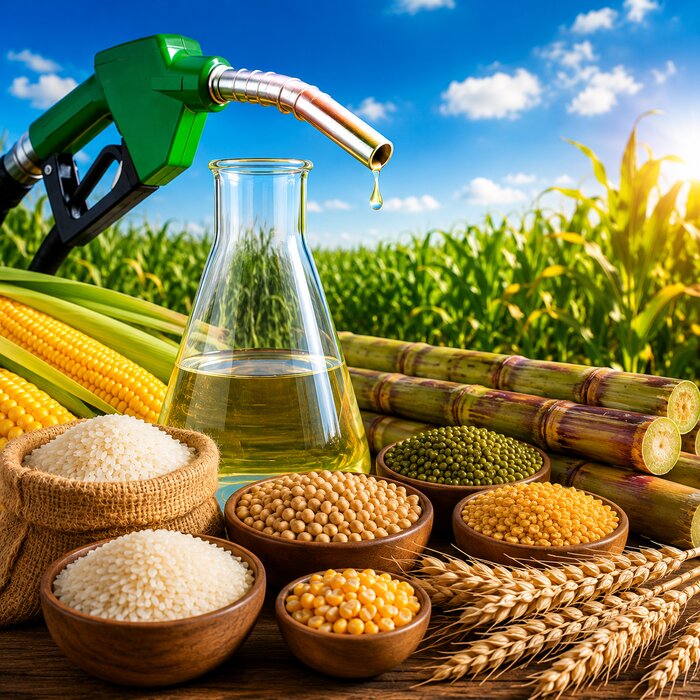
The Philippines is assessing cheaper, diversified feedstocks as it considers raising the gasoline ethanol mandate from E10 to E15. Corn is seen as the most promising option, while molasses and sugarcane remain important. The government is also considering B5 biodiesel, subject to lower coconut methyl ester prices.
The Philippine government is evaluating cheaper and more diverse feedstock sources as it considers increasing the mandatory bioethanol blend in gasoline from E10 to E15, the Department of Agriculture (DA) said, Manila Bulletin reported.
The move is aimed at increasing domestic ethanol use, reducing dependence on imported fuel and helping contain rising gasoline prices. Agriculture Secretary Francisco Tiu Laurel said the DA and Department of Energy (DOE) are assessing feedstocks including molasses, sugarcane juice and corn to support a higher blending mandate.
The country currently requires gasoline to contain a locally sourced 10% ethanol blend. A higher mandatory blend would require competitively priced feedstock, as locally produced sugarcane juice and molasses are generally around twice as expensive as imported alternatives.
The DA identified corn as the most promising alternative feedstock, particularly to bridge the gap between existing ethanol production and plant capacity.
Sugarcane-based ethanol production currently averages around 325 million to 385 million litres a year, while installed bioethanol capacity exceeds 500 million litres.
The government, however, does not want corn-based ethanol to undermine the sugarcane sector. The DA said only unused ethanol production capacity should be supplied with corn, allowing additional ethanol output without displacing existing agricultural production.
The agency is also considering measures to expand corn production, including improved seeds, mechanisation and contract farming arrangements between corn producers and ethanol plants.
Tiu Laurel said the key challenge is not the availability of corn but whether it can be purchased at a price that allows ethanol producers to remain commercially viable. Increased ethanol demand could also push up corn prices and raise costs for livestock producers that use the crop as animal feed.
The government is therefore looking at multiple feedstock sources to prevent excessive pressure on any single agricultural commodity.
Palm oil is also being considered as a longer-term feedstock for biodiesel. However, Tiu Laurel noted that new palm plantations require around three years to mature.
Separately, Philippine Coconut Authority Administrator and CEO Dexter Buted said the government is considering increasing the biodiesel mandate from B3 to B5, subject to a decline in the price of coco methyl ester (CME), the key coconut-derived component used in biodiesel.
The PCA has recommended raising the biodiesel blend from 3% to 5% to the DOE, Buted said.
To Read more about Ethanol Industry & Bio Energy News continue reading Agriinsite.com
Source : ChiniMandi