Punjab: Fresh showers pour trouble for procured wheat

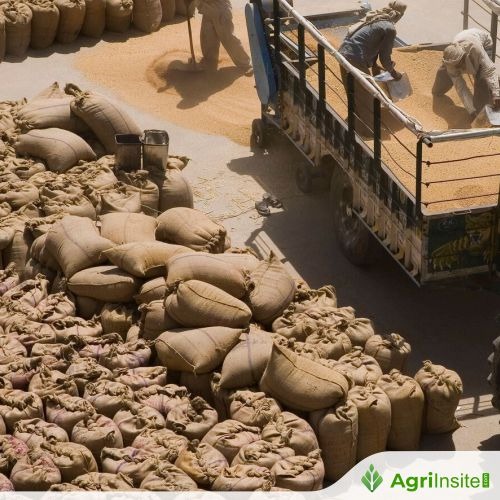
Unseasonal rains in Punjab have raised concerns over damage to procured wheat lying in mandis, with 58 lakh tonnes yet to be lifted. Earlier weather had already hurt crop quality. Limited storage capacity and exposed stocks increase risks, though procurement is nearing completion with government assurances of farmer protection.
Widespread rainfall and thunderstorms across Punjab on Sunday morning and predictions for similar weather conditions on Monday and Tuesday have left the state food and civil supplies department worried about damage to procured wheat crop.
The rabi produce had already suffered considerable damage due to unseasonal rain and hailstorms in late March and April, prompting the Centre to allow relaxations in procurement.
Now, another rain spell — within six weeks — has delivered a double whammy to the crop, which had reached maturity stage and reached mandis for procurement.
Districts Jalandhar, Amritsar, Tarn Taran, Ropar, Fatehgarh Sahib, Mohali, Ludhiana, Ferozepur and Moga received normal to heavy rain up to 30 mm, leading to deluge in mandis. Nearly 120 lakh tonnes of wheat have arrived in the mandis, of which 58 lakh tonnes are waiting to be lifted to storage points.
Wheat procurement began on April 1 when the state food and civil supplies department opened all 1,872 mandis across the state, targeting procurement of 122 lakh tonnes in the current season.
“The produce in mandis is vulnerable to the vagaries of weather. This season, the crop has suffered significantly due to uncertain weather – first at the time of maturing in March and April, when heavy rains led to lodging and grain discolouration. Now that procurement is underway, a number of mandis are inundated,” said a mandi board official.
Following the earlier rain damage, the Centre had allowed 70% lustre loss, and increased the permissible limits of shrivelled and broken grain from the standard 6% to 15%, and that of damaged and slightly damaged grain to 6%. These relaxations allowed the crop to be procured at a Minimum Support Price (MSP) of ₹2,585 without a value cut.
Punjab food and civil supplies director Varinder Sharma, meanwhile, assured that since the majority of the crop had been procured and was now government property, farmers will not suffer a loss.
“Our effort is to ensure the crop is safely stored at the earliest,” he said, adding that the procurement was in the final stages and the state department had shut 30% mandis, particularly in the eastern districts where arrivals were early and procurement had concluded.
Most wheat lying exposed in the open
What’s more concerning is that due to the absence of adequate storage space in covered godowns, the majority of the procured crop remains in covered area plinths — stored on a raised plinth and covered with tarpaulin.
“Only 4 lakh tonnes of wheat from the current season has been stored in silos and some stocks are with rice millers. The rest will be stored in CAP storage,” said a food department official.
Punjab’s food grain godowns have a total capacity of 180 lakh tonnes, shared by the Centre’s Food Corporation of India (FCI) and the state’s procurement agencies. These godowns are already holding 140 lakh tonnes of rice and 25 lakh tonnes of wheat from the previous seasons. Another 47 lakh tonnes of paddy is waiting to be shelled, which requires more than 31 lakh tonnes of storage space.
To Read more about Wheat News continue reading Agriinsite.com
Source : Hindustan Times