Rice-growing tropical regions to feel effects of El Niño

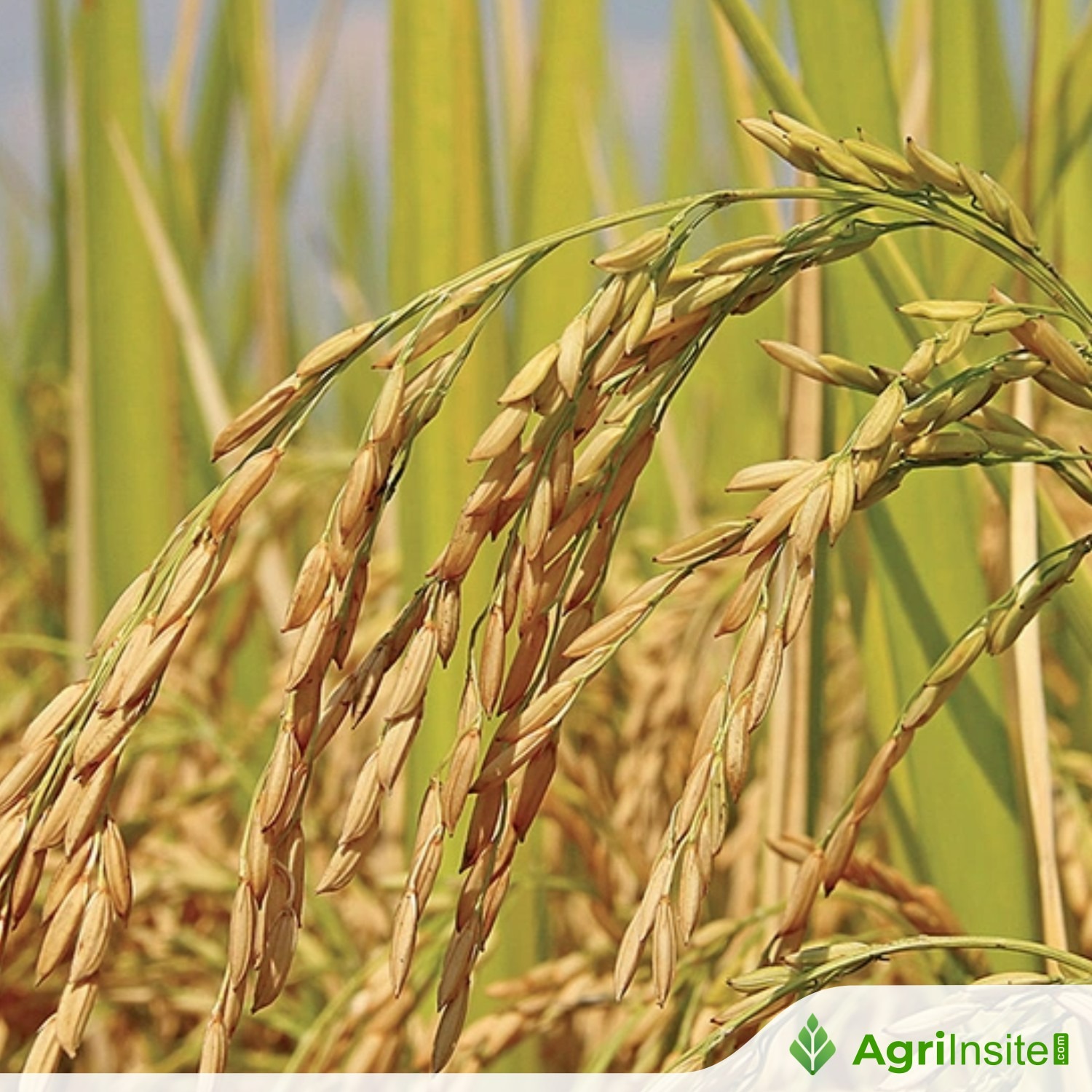
Developing El Niño conditions are expected to bring drier weather to tropical regions during late 2026, threatening rice, sugarcane, coffee and cocoa production in Asia, Africa and South America. Mid-latitude grain regions may face fewer disruptions, while North America could see limited near-term impacts.
Weather adversity in the world is expected to become more concentrated on the tropical areas of the world during the balance of 2026 due to developing El Niño conditions.
Recent weeks and months of weather have been mostly good and that may last for a few more weeks until El Niño starts pushing its influence on the world. This particular El Niño Southern Oscillation (ENSO) event will be similar to many others in reducing rainfall in many tropical areas of the world and increasing it throughout the mid-latitudes.
Weather adversity is sure to come later this year and that already has many in the media running wild. This year’s panic is attached to the weather term “super” El Niño. Voices of reason are so hard to find anymore. It is amazing how pre-occupied humanity has become in trying to find the next threat to our livelihood. There is too much hype about just about everything impacting our lives today and this “super” El Niño business is the worst one yet — at least when listening to the hype and worrying about weather around the world.
Most El Niño events — whether weak, strong or super strong — have a low influence on North America until the fourth quarter of the calendar year in which it develops and on into the first quarter and sometimes the first several months in the following new year. Until that time, fear about a potential catastrophic weather event for Canada’s Prairies or the United States is unwarranted. The sad part of the developing hysteria is that it does not matter what weather adversity we have in North America this summer (and, yes, we will have some) it will be blamed on El Niño, and if that is not enough then it will be blamed on climate change.
As far as this “super” El Niño business is concerned, the impact on North America will be minimal. Typically, El Niño will offer greater moisture in the atmosphere over the middle latitudes, which should translate into a favorable environment for periodic rain.
Before we go any further it is important to note that in any growing season here in North America there are periods of strong wind, severe thunderstorms, drought or dryness and flooding. Be sure to recognize that and understand that our weather will not be perfect this summer because it never is, but we certainly do not want to blame every little bit of weather adversity on climate change or on “super” El Niño.
The reality is that our weather this summer will be just like all summers with challenges for some of us and good conditions for others. Until the late autumn and winter, we cannot blame “super” El Niño on any of our adversity here in North America.
Late in the third quarter of this year and on into early 2027 Canada and the northern United States will encounter a warmer-than-usual winter and precipitation may be below average. This trend likely will translate into some concern coming into spring of 2027. Southern parts of North America will trend unusually wet during this same period of time resulting in some flooding and the potential for cooler-than-usual temperatures. For the next three months, though, this will be just as abnormal as it is in any year and the same can be said for Europe and a big part of northern Asia.
Now, for the tropical regions of the world, yes, there will be some significant adversity to southern Asia, northern and east-central Australia, northern South Africa and in portions of South America. Interestingly, most of the areas that should feel the impact of El Niño over the next several months will have more influence on rice, sugar cane, coffee and cocoa production areas than on wheat, corn, sorghum or soybeans.
India, Indonesia, Malaysia, the Philippines, parts of South Africa, Central Africa and northeastern Brazil will be among the largest regions seeing notable dryness. These areas are known more for their soft agriculture commodities than for their coarse grain and oilseed production (with the possible exception of oil palm). Much of the tropical region of the world produces rice, sugar cane, coffee and cocoa, all of which may be negatively impacted by the below-normal rainfall expected. Most of the larger grain and oilseed production areas of the world are usually least impacted by El Niño.
World grain and oilseed production issues are usually more serious on a global scale in multiyear La Niña year events. That is when weather adversity is common around the world in the middle latitudes where much of those crops are produced. El Niño years typically create more production issues for rice, sugar cane, coffee and cocoa than for coarse grain and traditional oilseeds.
Yes, there is usually some impact on oil palm production and that has an indirect impact on canola prices, but this can be a positive thing for the average Canadian and US producer since mid-latitude production is usually more consistent in El Niño events and we have a better chance to cash in on rising market prices for the soft commodities.
El Niño will be declared by official forecasting agencies in the next 30 to 45 days because of the aggressive change in sea surface temperatures expected in the eastern equatorial Pacific Ocean. However, remember that there is a lag of time between when ocean surface temperatures become anomalous enough to officially declare an El Niño is underway and when world weather become most anomalous.
The first part of the world to feel the effects of El Niño will be in the tropics from Indonesia, Malaysia and southern parts of the Philippines to northern Peru, Ecuador and Colombia. The Southeast Asian nations will start drying out almost immediately after El Niño conditions become established with the period from late September through February likely to have the most anomalous conditions.
Northwestern parts of South America will experience greater-than-usual rainfall with the most anomalously wet conditions coming along in early 2027. Southern Asia’s monsoon and west-central Africa’s rainy season will be negatively impacted beginning in July and becoming more notable during the August through October period.
West-central Africa will be drier than usual, harming coffee, cocoa and other crops while east-central Africa from Ethiopia and areas to the east and south into Tanzania will be wetter than usual. South Africa will trend drier than usual during its spring and summer season while southern Brazil and surrounding areas are notably wet compared to normal from June through the spring and summer of 2026-27.
Other areas of adverse weather will include southern China, where too much is expected this summer, and northeastern Brazil, which likely will become too dry during the November through February period of next year.
Each of these anomalies occur in most moderately strong to “super” strong El Niño events. The degree of severity in each region of anomalous weather will have much to do with other prevailing weather patterns and ocean surface temperature anomalies making each of the El Niño events a little different for those of the past, reducing confidence in predicting where the most adverse weather will be and how impactful it might become.
The difference between a strong El Niño and a “super” El Niño is only 0.10 on Oceanic Nino Index and some of the differences on world weather are statistically indifferent enough to raise issue with the hype behind the term “super.” That does not mean the weather will not be seriously anomalous, just do not get hung up on semantics.
To Read more about Rice News continue reading Agriinsite.com
Source : World Grain.Com