Rice prices may rise another 10-15%; wheat seen range-bound: Industry experts

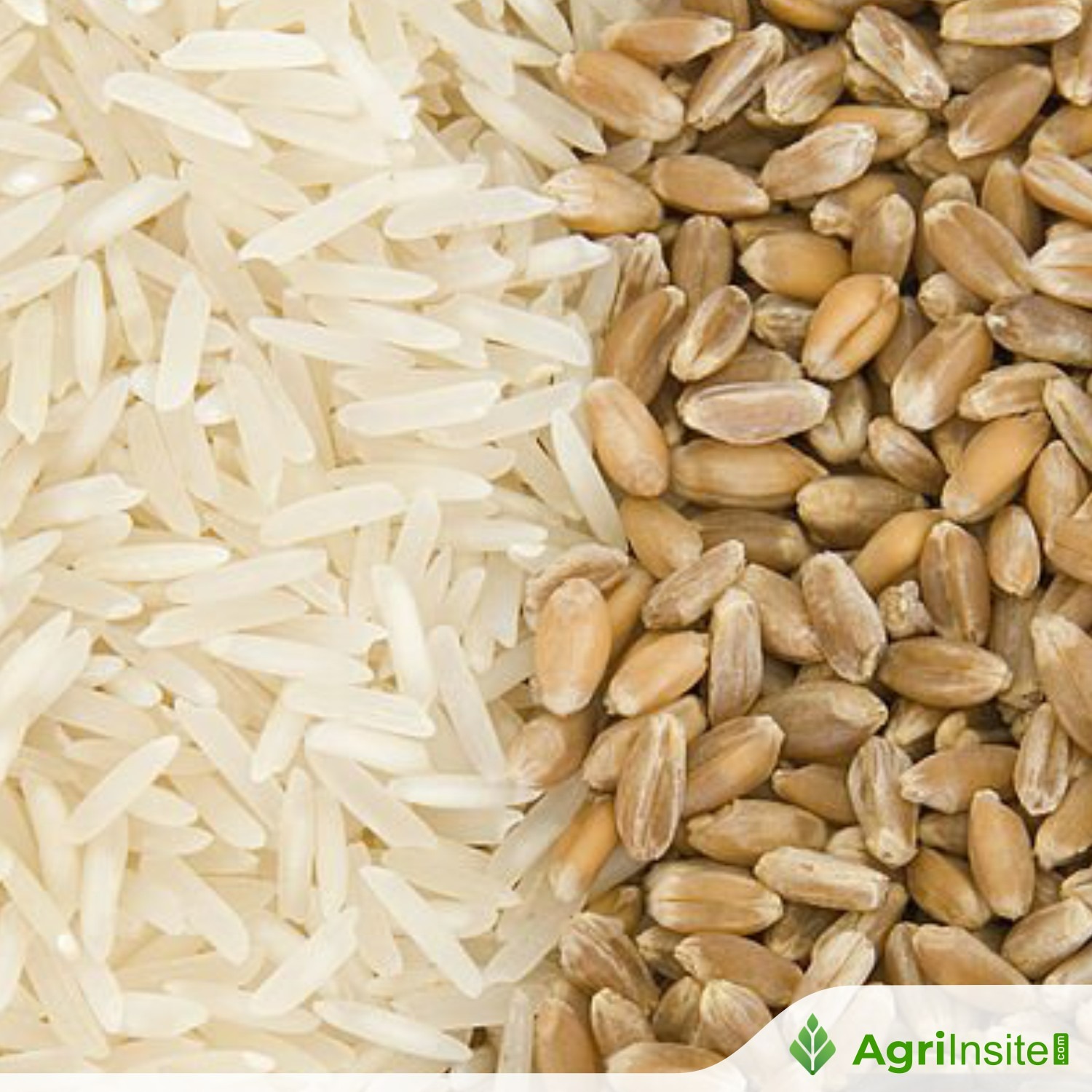
India’s agri commodity outlook remains supportive, with rice prices expected to rise 10–15% amid tightening global supplies and steady export demand. Wheat prices are likely to stay range-bound due to ample government stocks and market intervention, while pulses may see only modest gains as comfortable inventories and imports help contain further price increases.
Ajay Goyal, Chairman of the Wheat Products Promotion Society, said India has around 48 million tonnes of government wheat stocks, more than 40% higher than the year-ago level.
Rice prices could see further gains in the coming months as global production is expected to fall while demand remains strong, according to Dev Garg, Vice President of the India Rice Exporters Federation.
Garg expects rice prices to rise another 10-15% from current levels, although he said a clearer picture would emerge by November-December once actual production and procurement data are available. Basmati prices have already risen 10-15% over the past two months.
He pointed to a widening global demand-supply gap as a key driver for prices.
“Today, the global fall in rice production across the globe is projected to be around 9% and correspondingly, the import requirements overall across the globe is expected to increase by 14%. So that means that the international demand is going to be very strong in the coming days,” Garg added.
India’s rice production estimate has already been lowered to around 146 million metric tonnes from an earlier projection of 156 million tonnes. This would mean a decline of around 4-5 million tonnes from last year’s output.
However, Garg said the lower production is unlikely to create a domestic supply problem. Food Corporation of India stocks are estimated at around 27 million tonnes, leaving India with sufficient supplies for domestic consumption as well as exports.
India’s rice exports are expected to remain broadly similar to last year’s levels at around 22-23 million tonnes. While volumes may remain steady, export realisations are expected to improve as both basmati and non-basmati rice prices rise in international markets.
“India’s farmer gets a higher realisation for its paddy,” Garg said, adding that higher international prices could support farmer incomes as long as overseas buyers continue to absorb the increase.
Wheat prices likely to remain range-bound
The outlook for wheat appears more stable, with government stocks providing a cushion despite concerns over the upcoming rabi crop.
Ajay Goyal, Chairman of the Wheat Products Promotion Society, said India has around 48 million tonnes of government wheat stocks, more than 40% higher than the year-ago level.
India has also reopened wheat exports, but Indian wheat remains uncompetitive in global markets. Bangladesh is currently the main market, with exports estimated at only around 50,000-60,000 tonnes a month.
Goyal expects wheat prices in Delhi to remain largely range-bound around ₹2,925-2,980 per quintal. The government’s open market sale scheme (OMSS) is expected to limit any sharp rise in prices.
According to Goyal, demand is likely to pick up gradually as winter approaches rather than because of the festive season. He also expects the government to intervene if prices move above the ₹3,000-per-quintal level.
Weather conditions will remain a key factor for the wheat market over the next few months. While weaker rainfall and the potential impact of El Niño could affect the rabi crop, well-irrigated regions such as Punjab and Haryana provide some support.
Pulses outlook
Pulses have also seen a sharp rise in recent weeks, but Bimal Kothari, Chairman of IGPA, does not expect prices to rise sharply from here.
Kothari expects pulses prices to gain another 4-5%, rather than rise 10-15%. He said supplies from overseas markets should help limit the upside.
For chana, Kothari expects prices to move towards ₹70-71 per kg but sees limited scope for a sharper increase. Government stocks and imports could provide additional supplies during the festive season.
He also pointed to the expected arrival of around 4 lakh tonnes of yellow peas between mid-October and the end of November, which could act as a substitute if chana prices rise significantly.
Kothari said government stocks of pulses remain comfortable, with more than 3 million tonnes available as of early September. He also noted that India’s imports remain open, while overseas supplies are adequate
To Read more about Rice News continue reading Agriinsite.com
Source : CNBCTV18