Russia struggles to find ways to export grain.

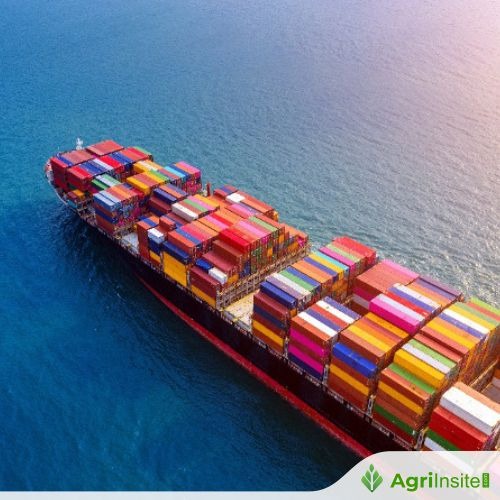
Russia has begun a trial shipment of 29,500 tonnes of wheat through the Arctic port of Murmansk, exploring alternatives amid Black Sea disruptions and rising freight costs. However, longer routes are increasing logistics expenses, widening regional price disparities and putting pressure on farmers’ incomes and winter planting plans.
According to the Murmansk port’s Telegram channel, a bulk carrier began receiving 29,500 tons of wheat on October 28th for a trial shipment to customers in North Africa. Notably, this port is located thousands of kilometers away from Russia’s main grain-producing regions. Facilities previously used for processing fertilizer have also been adapted to serve wheat exports.
This marks the first time Russia has tested transporting grain via the Arctic route, amid growing tensions in the Black Sea affecting agricultural trade. Russia is currently the world’s largest wheat exporter, while Ukraine is also a significant supplier on the international market.
Farmers in southern Russia once benefited from their proximity to Black Sea ports, but now earn less than growers in other regions.
Since the full-scale conflict erupted in 2022, Ukraine’s grain exports have been hampered by the blockade of Black Sea ports. However, Russia’s export situation has also become more difficult in recent months, as Kyiv has intensified drone attacks targeting Russian seaports and commercial vessels.
According to the railway transport company Rusagrotrans, despite a more favorable harvest, Russia’s wheat exports in the July-September period were still down 38% compared to the same period last year. Meanwhile, Fastmarkets data shows that freight rates on some Black Sea routes have more than doubled since mid-July, forcing importers to seek alternative sources of supply and shipping routes.
Logistics costs have become a burden.
To maintain exports, Russian businesses are experimenting with various transportation options. Some ships travel from the Sea of Azov up the Don River, through the Volga-Don Canal to the Caspian Sea, from where they transport goods to Iran . Others use containers to transfer grain from rail wagons to ships at ports not specifically designed for bulk cargo.
However, these options are unlikely to fully compensate for the capacity of the southern port system. Arkady Zlochevsky, Chairman of the Russian Grain Union, stated that ports in the Baltic region can only replace at most half of the volume of goods previously transported via the Black Sea and the Sea of Azov.
The diversion of exports northward is putting pressure on the railway system, leaving many train cars waiting at ports. Zlochevsky stated that the biggest challenge is not only finding alternative routes but also the resulting costs. Transporting grain via the new routes is significantly more expensive than the Black Sea and Azov Sea routes, and it remains unclear who will bear these increased costs.
Ukraine faces similar difficulties. According to Agriculture Minister Taras Vysotskyi, alternative routes such as the Danube River, roads, and railways through neighboring European Union (EU) countries can only handle about half of the usual volume of agricultural exports.
In Ukraine, the price of corn stored in inland areas has fallen by nearly 20% in the three weeks since the harvest began. Vysotskyi said that transportation costs via alternative routes have increased by at least $50 per ton, making it impossible for some producers to operate profitably and forcing them to sell at a loss to stay afloat.
Farmers are under immense pressure.
Transportation disruptions are widening the price gap for agricultural products between regions. In Russia, farmers in the South, who previously benefited from proximity to Black Sea ports, are now receiving lower prices compared to producers in the Central and Volga regions, which have better access to operational export ports.
Andrey Sizov, CEO of the agricultural consulting firm SovEcon, said that grain prices in Russia fell sharply in August and September. Although they recovered somewhat afterwards, prices are still tens of percent below production costs.
Many farmers lack the financial resources to continue storing their produce while waiting for prices to rise. They are forced to sell their crops to obtain funds for winter planting supplies, pay debts, and pay wages to their workers.
Meanwhile, efforts to restore shipping activity through the Black Sea have yet to make significant progress. Turkey, which brokered the 2022 Black Sea grain deal, has proposed establishing separate safe corridors for Russian and Ukrainian vessels. However, Russian President Vladimir Putin rejected this proposal.
World wheat prices reached a three-year high in late August before falling back due to expectations that importers could find alternative sources of supply from other exporting countries. However, transportation costs remain high.
According to Zlochevsky, the majority of the incurred costs will ultimately fall on the farmers, as exporters are unlikely to absorb these expenses themselves. He warned that the cash shortage could prevent farmers from funding their winter planting on schedule, thereby threatening production prospects and harvest yields for the coming year.
To Read more about Wheat News continue reading Agriinsite.com
Source : Vietnam.vn