Ship with 75,000 tons of sugar departs from Brazil to China and sets new logistical record for Tereos

Tereos completed a record 75,000-tonne VHP sugar shipment to China in June, enabled by expanded TIPLAM port capacity and integrated rail logistics. The operation reduced truck dependence, improved export efficiency, and strengthened the company’s end-to-end control over production, transport and shipping.
Tereos completes record shipment of 75 thousand tons of sugar to China after expanding port capacity and integrating rail transport.
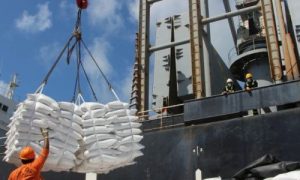
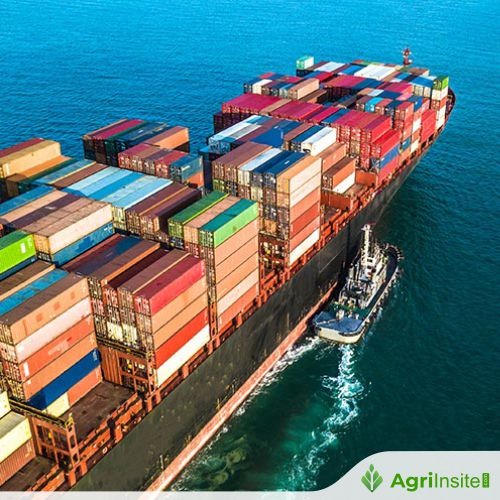
Tereos sent 75 thousand tons of VHP sugar to China in June, in the largest shipment ever completed by the company in a single operation. The loading took place at the Luiz Antônio Mesquita Integrator Terminal, TIPLAM, located in Baixada Santista, São Paulo, and operated by VLI.
The volume exceeded by 5 thousand tons the mark reached by the company in 2025, when a single ship received 70 thousand tons. The progress was possible after changes in the terminal’s operational capacity, combined with rail transport that connects the production units in the São Paulo countryside to the port complex.
In addition to increasing the amount transported per trip, the operation reduced the dependence on trucks accessing the port and gave the company greater participation in the commercial and logistical planning of the export.
Terminal expansion allowed Tereos to load a larger ship
A change in the operational draft of TIPLAM was decisive for the new record. Before the expansion, ships loaded at the complex transported up to 60 thousand tons per operation. With the new condition, the capacity reached 75 thousand tons, an increase of 15 thousand tons in a single loading.
By allowing the operation of ships with larger loads, the terminal increases the scale of exports and reduces the need to divide large volumes among different trips. According to the company, the available infrastructure can also enable superior operations in the coming years.
The cargo produced at Tereos’ industrial units in the interior of São Paulo was sent to the coast through VLI’s rail structure. All the sugar exported by TIPLAM is received by trains. The same system supplies the warehouses where the volumes are gathered before the ships are loaded.
The model reduces the operation’s exposure to road limitations and decreases the circulation of trucks near the port. It also prevents traffic jams on land accesses from directly interfering with the formation of export lots.
Operation required coordination between factories, railway, and port
The record did not depend solely on the size of the ship or the physical capacity of the terminal. The movement required different stages to function in a coordinated manner.
The production units needed to keep pace with the dispatch to the coast, while the warehouses had to have enough space and volume for the formation of the cargo. At the same time, the arrival of the trains needed to be aligned with the port schedule and the availability of the vessel.
Among the points that needed to be coordinated were:
- availability and arrival of the ship;
- batch formation in warehouses;
- sugar production in the São Paulo units;
- train scheduling;
- organization of the docking sequence at the terminal.
Any delay in one of these areas could affect the reserved period for loading.
Tereos increased control over exportation
The sugar negotiation was conducted by the company’s own trading. The chartering of the ship was the responsibility of Tereos Commodities France. This structure increased the corporate control over the merchandise’s journey, from commercialization to the hiring of the vessel used to deliver the product to the buyer.
By directly participating in these decisions, the company can align sales planning with production, storage, and transportation conditions. The model also facilitates the organization of larger shipments, as the negotiated volume can be aligned with the terminal’s capacity and the size of the contracted vessel.
The shipment to China highlights how export capacity depends on the entire chain, not just agricultural or industrial production.
To move 75,000 tons in one trip, Tereos needed to gather rail availability, storage, docking capacity, and a vessel suitable for TIPLAM’s new operational limit.
The reduction of road dependency also helped make the process less vulnerable to congestion near the port area.
With the new draft and the possibility of receiving larger ships, the terminal creates conditions for Tereos to increase its shipment scale again in the coming years. The June record thus represents not just an isolated milestone, but a new level for the company’s export logistics.
To Read more about Sugar Industry continue reading Agriinsite.com
Source : Click Petróleo e Gás