Sugarcane crushing: Farmer groups oppose Oct 15 start, threaten protest


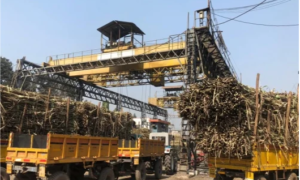
Pune/Kolhapur: Farmers organisations have opposed the proposed October 15 start of sugarcane crushing in Maharashtra, demanding that sugar mills begin operations only after November 15. The organisations have threatened to stage an ‘Akrosh Morcha’ at the Sugar Commissioner’s office in Pune on October 8 if the early start is not reconsidered.
Representatives of the Shiv Sena Shetkari Sena, Jai Shivray Kisan Sanghatana, Shetkari-Shetmajur Sanghatana, Kisan Morcha, Sharad Joshi-inspired Shetkari Sanghatana, Swabhimani Sambhaji Brigade and Aam Aadmi Party met Sugar Commissioner Dr Sanjay Kolte in Pune on Thursday and submitted a memorandum outlining their demands.
The farmer organisations said starting crushing on October 15 could force mills to process cane with lower sugar recovery, affecting the returns of farmers and the economics of sugar mills. They also said the move could affect overall sugar availability.
The organisations pointed to lower rainfall and said sugar recovery is generally higher during January, February and March. According to them, cane crushed during the early part of the season could record recovery of around 9%, increasing sugar production costs for mills and potentially affecting payments to farmers.
Speaking to ChiniMandi, Shiv Sena Shetkari Sena state president Prof Jalander Patil said inadequate rainfall had put sugarcane farmers under considerable pressure. He said recovery is normally better between January and March and that starting crushing earlier could adversely affect both farmers and sugar mills because of lower recovery.
Patil also called for a two-tier sugar pricing system based on domestic and commercial consumption. He proposed a price of Rs 20 per kg for sugar used by households and Rs 80 per kg for sugar used for commercial purposes.
The organisations also demanded that the minimum selling price (MSP) of sugar be increased to Rs 55 per kg. Patil said imported raw sugar was reportedly costing Rs 52 per kg and that transportation and processing could add around Rs 15 per kg. He argued that the MSP of domestically produced sugar should therefore be raised to Rs 55 per kg.
Kolte said the demand would be discussed with the state government.
The farmer organisations also raised concerns over delayed FRP payments. Kolte said action had been taken under the Revenue Recovery Certificate (RRC) mechanism against mills that failed to pay Fair and Remunerative Price (FRP) within the stipulated period or did not pay interest on delayed payments.
He said action was also being taken against mills that failed to submit RSF reports on time.
Sawkar Madnaik demanded legal and punitive action against the boards of directors and responsible administrative officials of mills that fail to submit FRP reports, including interest, within the prescribed period. He also demanded that the dues be recovered from the personal assets of those responsible and paid to farmers. Kolte assured the delegation that appropriate action would be taken, the organisations said.
Jai Shivray Kisan Sanghatana president Shivaji Mane demanded that the government establish its own weighing scales in every district. He proposed setting up at least 10 government-operated weighing facilities around each sugar mill and making the weight recorded there the basis for cane payments.
The organisations also demanded that mills’ weighing scales be discontinued and that cane prices be linked to the sugar recovery of individual farmers, similar to the system used for milk pricing based on fat content. Kolte said the demands would be conveyed to the government and efforts would be made to introduce necessary changes.
Janardan Patil demanded that farmers receive Rs 525 as a second instalment from earnings generated through sugar and other by-products during the previous crushing season. The delegation said Kolte had taken a positive view of the demand and agreed to consider the amount based on the RSF submitted by sugar mills.
Vaibhav Kamble demanded that mills follow the prescribed cane harvesting sequence while allocating cane cutting. He said this would help curb alleged demands for money from farmers by cane-cutting workers in the name of ‘khushali’. The organisations also sought action against mills violating the system.
Bhagwan Kate demanded removal of the distance restriction between two sugar mills.
Sugar Commissioner Dr Sanjay Kolte, Director (Finance) Yashwant Giri, Director (Administration) Kedari Jadhav, Joint Director (Administration) Prakash Ashtekar and Joint Director (Development) Mahesh Zende, along with other officials and farmer representatives, attended the meeting.
Pune/Kolhapur: Farmers organisations have opposed the proposed October 15 start of sugarcane crushing in Maharashtra, demanding that sugar mills begin operations only after November 15. The organisations have threatened to stage an ‘Akrosh Morcha’ at the Sugar Commissioner’s office in Pune on October 8 if the early start is not reconsidered.
Representatives of the Shiv Sena Shetkari Sena, Jai Shivray Kisan Sanghatana, Shetkari-Shetmajur Sanghatana, Kisan Morcha, Sharad Joshi-inspired Shetkari Sanghatana, Swabhimani Sambhaji Brigade and Aam Aadmi Party met Sugar Commissioner Dr Sanjay Kolte in Pune on Thursday and submitted a memorandum outlining their demands.
The farmer organisations said starting crushing on October 15 could force mills to process cane with lower sugar recovery, affecting the returns of farmers and the economics of sugar mills. They also said the move could affect overall sugar availability.
The organisations pointed to lower rainfall and said sugar recovery is generally higher during January, February and March. According to them, cane crushed during the early part of the season could record recovery of around 9%, increasing sugar production costs for mills and potentially affecting payments to farmers.
Speaking to ChiniMandi, Shiv Sena Shetkari Sena state president Prof Jalander Patil said inadequate rainfall had put sugarcane farmers under considerable pressure. He said recovery is normally better between January and March and that starting crushing earlier could adversely affect both farmers and sugar mills because of lower recovery.
Patil also called for a two-tier sugar pricing system based on domestic and commercial consumption. He proposed a price of Rs 20 per kg for sugar used by households and Rs 80 per kg for sugar used for commercial purposes.
The organisations also demanded that the minimum selling price (MSP) of sugar be increased to Rs 55 per kg. Patil said imported raw sugar was reportedly costing Rs 52 per kg and that transportation and processing could add around Rs 15 per kg. He argued that the MSP of domestically produced sugar should therefore be raised to Rs 55 per kg.
Kolte said the demand would be discussed with the state government.
The farmer organisations also raised concerns over delayed FRP payments. Kolte said action had been taken under the Revenue Recovery Certificate (RRC) mechanism against mills that failed to pay Fair and Remunerative Price (FRP) within the stipulated period or did not pay interest on delayed payments.
He said action was also being taken against mills that failed to submit RSF reports on time.
Sawkar Madnaik demanded legal and punitive action against the boards of directors and responsible administrative officials of mills that fail to submit FRP reports, including interest, within the prescribed period. He also demanded that the dues be recovered from the personal assets of those responsible and paid to farmers. Kolte assured the delegation that appropriate action would be taken, the organisations said.
Jai Shivray Kisan Sanghatana president Shivaji Mane demanded that the government establish its own weighing scales in every district. He proposed setting up at least 10 government-operated weighing facilities around each sugar mill and making the weight recorded there the basis for cane payments.
The organisations also demanded that mills’ weighing scales be discontinued and that cane prices be linked to the sugar recovery of individual farmers, similar to the system used for milk pricing based on fat content. Kolte said the demands would be conveyed to the government and efforts would be made to introduce necessary changes.
Janardan Patil demanded that farmers receive Rs 525 as a second instalment from earnings generated through sugar and other by-products during the previous crushing season. The delegation said Kolte had taken a positive view of the demand and agreed to consider the amount based on the RSF submitted by sugar mills.
Vaibhav Kamble demanded that mills follow the prescribed cane harvesting sequence while allocating cane cutting. He said this would help curb alleged demands for money from farmers by cane-cutting workers in the name of ‘khushali’. The organisations also sought action against mills violating the system.
Bhagwan Kate demanded removal of the distance restriction between two sugar mills.
Sugar Commissioner Dr Sanjay Kolte, Director (Finance) Yashwant Giri, Director (Administration) Kedari Jadhav, Joint Director (Administration) Prakash Ashtekar and Joint Director (Development) Mahesh Zende, along with other officials and farmer representatives, attended the meeting.
To Read more about Sugar Industry continue reading Agriinsite.com
Source : ChiniMandi