Summer crop acreage rises marginally; rice area declines

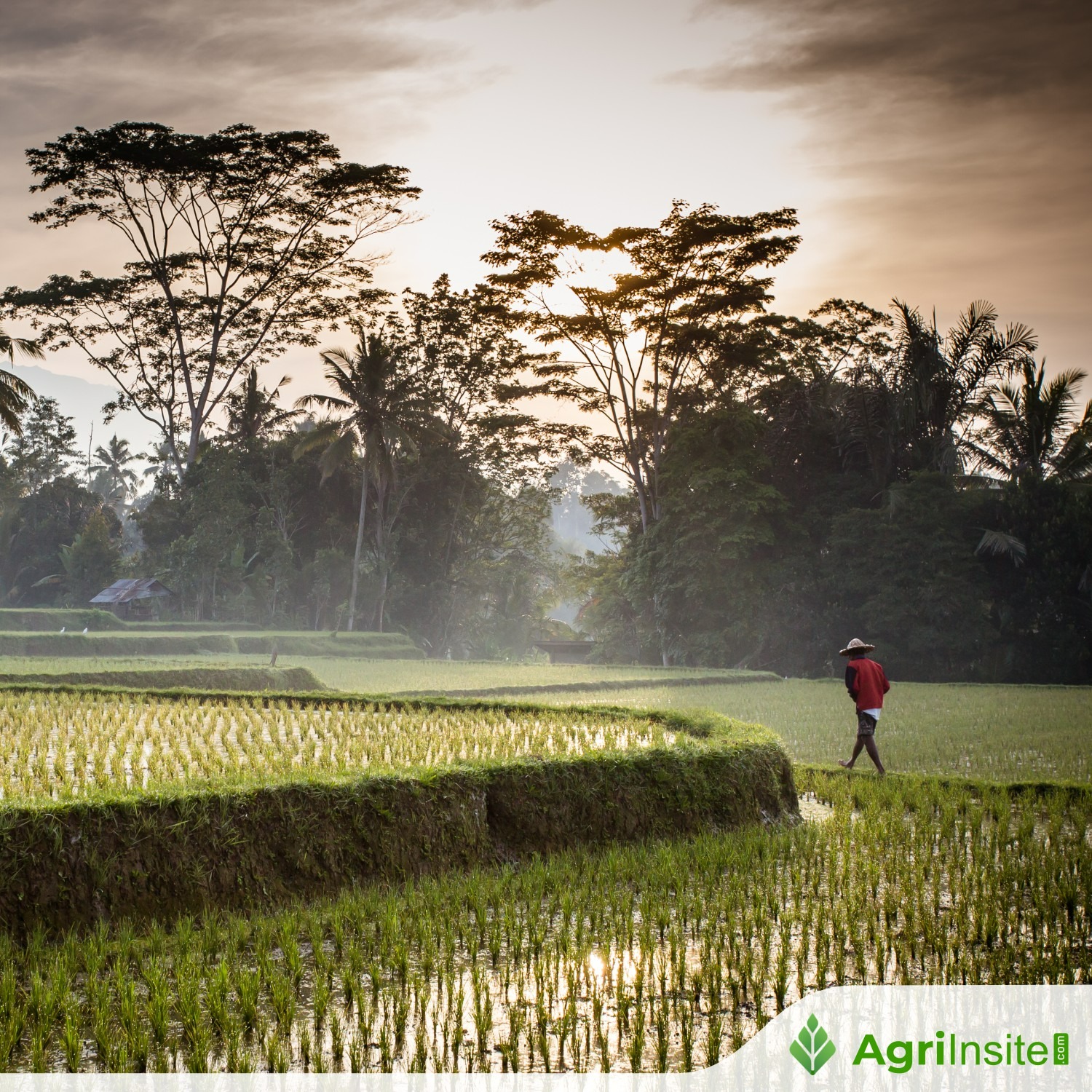
India’s summer crop area rose slightly to 6.41 million hectares, led by higher pulses, coarse cereals, and oilseeds sowing. However, declining rice acreage due to water constraints limited overall growth, highlighting shifting crop patterns and continued dependence on irrigation ahead of the monsoon season.
India’s total area under summer crps stood at 6.41 million hectares as of 10 April 2026, marginally higher than 6.3 million hectares a year ago, according to data from the ministry of agriculture and farmers welfare on Monday.
The increase was driven by higher sowing of pulses, coarse cereals and oilseeds, although a decline in rice acreage capped the overall growth in summer crop acreage.
Rice acreage fell to 3.06 million hectares from 3.23 million hectares last year. In contrast, pulses area rose to 1.15 million hectares from 1.07 million hectares, led by higher sowing of greengram and blackgram.
Sowing of coarse cereals (shree anna) increased to 1.36 million hectares from 1.27 million hectares a year ago, supported by maize and bajra. Oilseeds coverage also improved to 831,000 hectares from 762,000 hectares, with groundnut and sesamum contributing to the rise
The normal summer cropping area, based on averages from 2022-23 to 2024-25, stands at 7.53 million hectares, indicating that the current season still has scope for further expansion in the coming weeks.
India has three main cropping seasons: summer (zaid), kharif and rabi. The summer season, which typically spans March to June, is a short window between the winter and monsoon cycles. Crops grown during this period are usually short-duration and largely depend on irrigation.
Kharif crops are sown with the onset of the monsoon in June-July and harvested by October-November, while rabi crops are planted in October-November and harvested by January. Zaid crops are cultivated in the intervening period between these two major agricultural seasons.
Rice acreage may continue to remain under pressure if water availability stays limited in major producing belts, experts said.
The trend in summer sowing assumes significance as it sets the base ahead of the monsoon season, especially at a time when the India Meteorological Department (IMD) has forecast below-normal rainfall for 2026.
On Monday, the weather agency forecast rainfall at 92% of the 50-year average.
Adequate rainfall is crucial for India’s agricultural output, as it boosts the farm economy and strengthens rural demand, thereby benefiting sectors such as fast-moving consumer goods (FMCG) and automobiles, and supporting overall economic growth momentum.
To Read more about Rice News continue reading Agriinsite.com
Source : Mint