Thailand plans to raise rice and crude palm oil reserves for El Niño

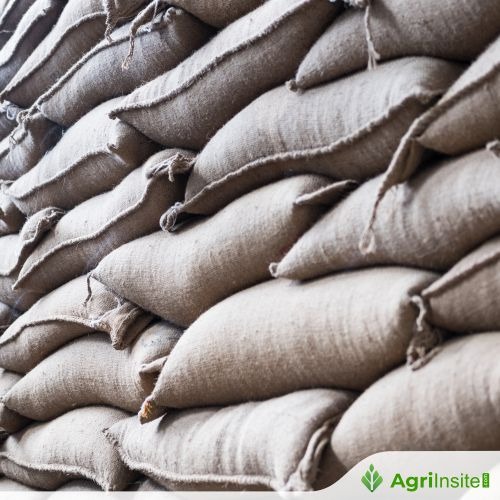
Thailand plans to increase Strategic Rice Reserve stocks by 30% and crude palm oil reserves by 20% to strengthen food security and stabilise markets amid El Niño drought risks. The DIT is monitoring cassava and maize supplies, consumer prices and agricultural value chains while supporting farmers and reducing living costs.
Wittayakorn Maneenet, director-general of the Department of Internal Trade (DIT), said the department had prepared a plan to address drought caused by El Niño, including a proposal to increase rice and crude palm oil stocks for national food security and as a mechanism to stabilise the market.
The proposal would raise rice reserves by 30% under the Strategic Rice Reserve and crude palm oil reserves by 20% to guard against risks to domestic supply and prices.
“The reason for proposing an increase in safety stocks is that monitoring of global rice stocks shows that volumes are currently higher, but overall rice prices have not fallen.
Even though global rice stocks have increased, rice prices remain high.
This reflects that countries have begun gradually buying rice to build stocks for their own food security and to prepare for possible drought, while crude palm oil prices have not fallen either.”
Thailand will not face shortages of rice and palm oil because of El Niño as it is a major producer, Wittayakorn said.
Rice and bottled palm oil prices are not expected to rise significantly because stocks are sufficient and shortages are not expected.
Products requiring close monitoring during drought include cassava and maize, as Thailand has to import some supplies because domestic production is insufficient.
Wittayakorn also addressed measures to manage prices of consumer goods, particularly food, beverages and everyday necessities that rely on upstream agricultural raw materials and could be affected by drought, as well as agricultural products such as oil crops.
The department has held discussions to closely monitor supply and prices.
Most recently, it met manufacturers of essential consumer goods such as soap, toothpaste and shampoo to ensure sufficient production, with no price increases currently planned.
Wittayakorn acknowledged, however, that promotions on some products had been discontinued, causing prices to edge up.
Retailers and wholesalers were also asked to take turns offering promotions on selected products.
Wittayakorn said that in fiscal year 2026, the Department of Internal Trade had operated through four main approaches:
Managing agricultural output through advance planning, strengthening cooperation, reducing low-quality products and seeking opportunities for new channels and trade.
Using value-chain mechanisms for four products: feed maize, oil palm, cassava and bananas.
Supporting farmers in building sustainability, including the Khao Praneet project and setting up a central purchasing point for coconuts.
Reducing living costs through Thong Fah (Blue Flag) fairs and the Thais Help Thais Plus programme, which reduced the cost-of-living burden by THB816.54 million.
To Read more about Rice News continue reading Agriinsite.com
Source : Nation Thailand