Heat and drought threaten India’s crops, with wheat and canola at risk

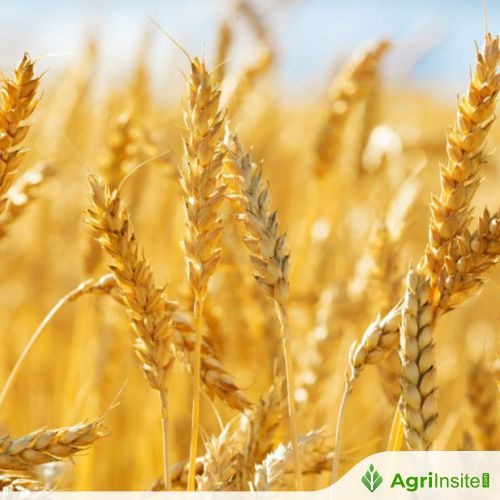
India faces rising crop risks as a hotter, drier February threatens wheat, rapeseed, and chickpea yields after below-normal rainfall and above-average temperatures. Despite record wheat sowing, heat during grain formation may cut output
Following an abnormally warm January, India is expected to experience a hotter and drier February, increasing risks for key crops such as wheat, rapeseed, and chickpeas. This was reported by The Star, citing data from the India Meteorological Department.
On January 31, the country’s northwestern region—the main wheat-growing center—will receive less than 78% of its average rainfall. He noted that both maximum and minimum temperatures in most regions in February will be above normal, which could negatively impact the development of wheat and barley. Fewer cold days are also expected in the northwestern and adjacent central parts of the country.
Wheat, rapeseed, and chickpeas are sown from October to December and require cool weather during the growth and maturation stages. In January, rainfall was 31.5% below normal, while temperatures were above average.
According to the Indian Ministry of Agriculture, by January 23, farmers had planted a record 33.42 million hectares of wheat and 8.94 million hectares of rapeseed. However, market participants warn that February is a critical month for grain formation, and a sharp rise in temperatures could reduce yields and offset the impact of expanded plantings.
A decline in rapeseed production could force India, the world’s largest importer of vegetable oils, to increase its purchases of cooking oils abroad. The country traditionally imports palm oil from Indonesia, Malaysia, and Thailand, and soybean and sunflower oil from Argentina, Brazil, Russia, and Ukraine.
Against this backdrop, in its February 4 report, the US Department of Agriculture revised down its forecast for rapeseed acreage and production in India. The Foreign Agricultural Service lowered its rapeseed acreage estimate by 1.6%, from 9.25 million hectares to 9.1 million hectares.
The reason was the switch by some farmers to wheat cultivation following a strong monsoon in 2025, which improved soil moisture reserves and made the crop more attractive. In the states of Rajasthan (the largest rapeseed producer), Uttar Pradesh, and Haryana, farmers favored wheat, whose average yield is around 3.5 t/ha versus 1.2–1.4 t/ha for rapeseed.
According to the updated FAS forecast, in the 2025/26 marketing year, the wheat harvested area in India could reach a record 32.8 million hectares, with production reaching 117.9 million tonnes.
Despite the reduced rapeseed forecast, its sown area is still 2% above last year’s level due to high prices in the 2024/25 season. The rapeseed crushing estimate was lowered from 10.9 million to 10.7 million tonnes, but this remains 2% higher than last year’s figure.
The forecast for rapeseed oil production was also reduced by 2% to 4.2 million tonnes, although the volume remains above last year’s level due to favourable weather at the beginning of the season, improved seed varieties and higher oil content.
To Read more about Wheat News continue reading Agriinsite.com
Source : Ukr Agro Consult