Punjab : Rising temperatures spark anxiety among wheat farmers

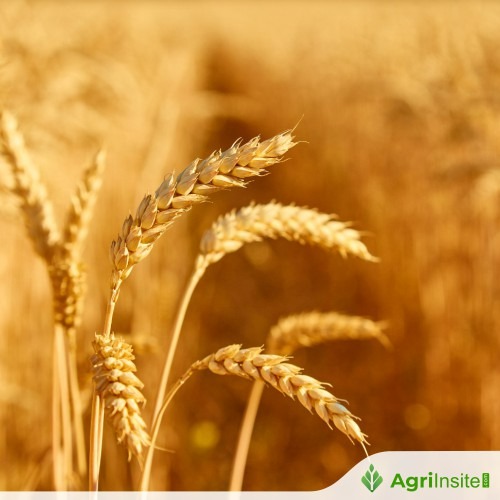
Rising temperatures in Punjab’s Doaba region are raising concerns among farmers as wheat enters its critical grain-filling stage. Excess heat could reduce grain size and yields, prompting officials to advise light irrigation and potassium nitrate sprays while growers closely monitor weather conditions for relief.
Farmers across parts of the Doaba are growing anxious as the rising temperatures threaten the wheat crop during its crucial growth stage. With memories of previous crop losses still fresh, many cultivators fear that this year’s yield may also suffer if the heat continues.
Tarsem Singh, a farmer from Uggi village, expressed concern about the changing weather conditions. “We are living only with trust in God. Earlier we had problems with sugarcane, potatoes and paddy and now even wheat seems to be at risk,” he said.
Agriculture officials have also acknowledged that the weather conditions could negatively impact wheat production. High temperatures during this period are particularly harmful because the crop is in the grain-filling stage, a phase when the kernels develop and gain size. Excess heat at this stage can prevent grains from reaching their full size, resulting in reduced yield.
Jaspal Singh, Agriculture Development Officer (ADO) at Sultanpur Lodhi, said farmers are being advised to take precautionary measures to minimise damage. “We have been recommending farmers to spray potassium nitrate on the crop as it will help mitigate the stress. They should also carry out frequent and light irrigation, but only if there is no rainfall,” he said.
Despite these advisories, farmers remain worried. Subegh Singh, a farmer from Nakodar, said he has already started light irrigation in his fields to protect the crop. However, he described the situation as uncertain and stressful. “It is a scary situation for us. If rains come, the grains may fall, so we are on tenterhooks,” he said.
Agriculture experts also pointed out that wheat sown later in the season could be more vulnerable to the current heat conditions. Crops that are still in the early stages of development, particularly at the boot stage, may struggle to complete their life cycle if temperatures remain unusually high. Much of this late-sown wheat was planted during December and January.
Officials say that the weather may improve in the coming days. Experts noted that there has been a slight change in conditions and temperatures may fall. However, if the heat persists, the wheat harvest could begin as early as the first week of April, potentially leading to lower production.
Jaswinder Singh, Chief Agriculture Officer of Jalandhar, acknowledged the concerns among farmers. “There is tension among cultivators because high temperatures can shrink grain size. We are continuously reaching out to farmers and issuing advisories to help them manage the situation,” he said.
For now, farmers are closely watching the weather, hoping for cooler temperatures that could protect their wheat crop and till then they say they are ‘Rabb aasre’.
To Read more about Wheat News continue reading Agriinsite.com
Source : The Tribune