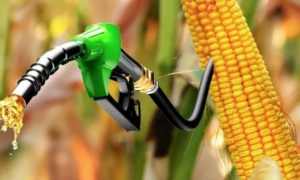
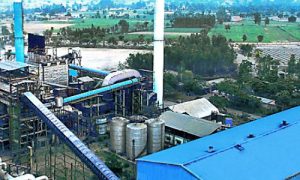
Iran war fuel crisis pushes India and Southeast Asia toward higher ethanol and biofuel blends

Rising oil supply disruptions from the Iran conflict are accelerating Asia’s biofuel push, with India considering vehicles using up to 100% ethanol and raising blending targets beyond 20%. The strategy strengthens energy security but raises concerns over food diversion, water use, engine compatibility, and pressure on sugar supplies and exports.
The energy shock triggered by the Iran war’s disruption to global oil supplies has accelerated government efforts across Asia to expand biofuel use in transportation, with India now proposing to allow vehicles to run on up to 85 per cent or even 100 per cent ethanol, The Associated Press reported. The report, published in The Washington Post, said the development has direct implications for India’s sugar sector, which supplies the bulk of the country’s ethanol feedstock.
India imports nearly 90 per cent of its crude oil, leaving the country heavily exposed after Iran’s closure of the Strait of Hormuz choked critical fuel shipments to the region, the report said. The disruption has pushed up petrol and cooking gas costs for ordinary consumers. According to the report, India raised petrol and diesel prices, with local news outlets reporting panic buying and long queues in Odisha state.
Most fuel pumps across India now sell a 20 per cent ethanol blend after the country achieved its national rollout target in 2025, five years ahead of schedule, the report noted. Policymakers are now considering raising the blend to 27 per cent by 2030, while the transport ministry’s recent proposal for 85 per cent and 100 per cent ethanol-capable vehicles was described as the clearest signal yet to automobile manufacturers to begin developing compatible engines.
India has also suspended all sugar exports at least through September, the report said, both to protect domestic supply and to ensure sufficient raw material is available if ethanol blending levels are raised further. About 70 per cent of India’s ethanol is produced from crops including sugarcane, corn, and rice.
Chandra Kumar Jain, president of the Grain Ethanol Manufacturers Association (GEMA), said moving toward higher ethanol blends reflects the government’s long-term vision for energy security, lower emissions, and reduced dependence on imported crude oil. India’s 20 per cent ethanol blend resulted in a 2.5 per cent reduction in crude oil imports in 2025, according to the Institute for Energy Economics and Financial Analysis (IEEFA).
However, the pace of change comes with risks. Charith Konda of IEEFA said the rapid push for higher blending has created policy uncertainty and confusion among automobile manufacturers. Shyamasis Das of the Centre for Social and Economic Progress (CSEP) in New Delhi raised concerns about how higher blends would affect existing engines and the time needed to scale up compatible vehicle manufacturing.
Experts also flagged trade-offs for consumers and the environment. Ethanol is less energy-dense than petrol, meaning vehicles tend to use more fuel per kilometre, Das explained. Producing ethanol from crops could also compete with food and livestock needs, while a single litre of ethanol can require between 3,000 and 10,000 litres of water, according to the report. Das said feedstocks such as agricultural residues, municipal waste, and used oils would be preferable to grain-based ethanol.
Prime Minister Narendra Modi this month urged citizens to make what he described as “nationally responsible choices” on fuel use, including greater reliance on public transport, carpooling, and reducing international travel, the report said.
Across Southeast Asia, the crisis has prompted similar moves. Indonesia launched a programme in March under President Prabowo Subianto to increase its biodiesel blend to 50 per cent, up from 40 per cent. Putra Adhiguna of the Jakarta-based Energy Shift Institute said the initiative is part of Indonesia’s broader push for energy sovereignty, though he cautioned that land clearing and deforestation linked to palm oil expansion must be closely monitored. Malaysia separately approved a plan to raise its biodiesel blend to 15 per cent, with a potential increase to 20 per cent under consideration.
Despite the renewed political momentum, the report noted that it may still take years for significantly higher fuel blends to reach Asian roads, given the time required to develop supply chains, test new blends, and establish vehicle compatibility standards.
To Read more about Ethanol Industry & Bio Energy News continue reading Agriinsite.com
Source : ChiniMandi