Iraq boosts grain production but faces mounting water challenges

Iraq’s agriculture sector remains crucial for food security, with wheat dominating grain production and supporting the public distribution system. After a record 6.3 million tonnes harvest in 2024/25, output may fall to 4.5 million tonnes in 2025 due to water shortages, increasing reliance on imports despite ongoing investments in storage and milling infrastructure.
Iraq’s agricultural sector remains vital for food security, contributing about 3.4% to GDP and employing over 8% of the workforce. Grain production forms the backbone of the sector, with wheat playing a strategic role in meeting domestic demand and supporting the country’s Public Distribution System (PDS).
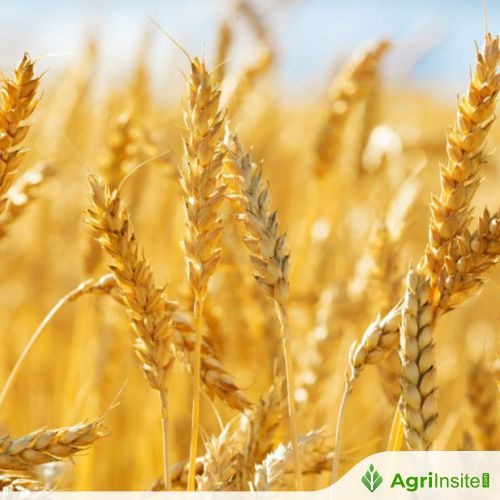
Wheat accounts for roughly 70% of total grain output. In the 2024/25 season, Iraq harvested a record 6.3 million tons, allowing the country to build substantial reserves and move closer to self-sufficiency. However, production is expected to decline to around 4.5 million tons in 2025, increasing the need for imports to cover domestic consumption.
Barley, mainly used for animal feed, has shown significant production volatility. After relatively weak output in previous years, production is forecast to rebound sharply to about 1.4 million tons in the MY 2024/25. Still, long-term prospects remain uncertain due to water shortages and climate-related risks.
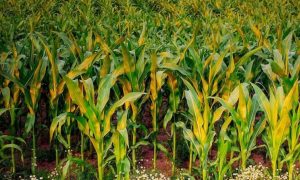
Corn production remains limited due to its high water requirements, leaving Iraq reliant on imports, particularly for feed use. A similar situation exists in the rice sector: despite a partial recovery in planting in 2025, domestic output covers only a small share of demand, requiring substantial imports.
Water scarcity continues to be a major constraint, with reserves falling from 60 billion cubic meters in 2020 to just 10 billion in 2025. This has led to planting restrictions in some regions and forced the government to prioritize water use for essential needs, including drinking supply.
At the same time, Iraq is investing in grain storage and milling infrastructure. The country operates around 280 flour mills, while new silo and milling projects aim to reduce reliance on imports and strengthen the domestic market. However, competition from cheaper imported flour, particularly from Turkey and Iran, remains a key challenge for the local industry.
To Read more about Wheat News continue reading Agriinsite.com
Source : Ukr Agro Consult