SC seeks Centre’s response to PIL demanding MSP hike for grains

The Supreme Court of India has sought responses from the Centre and states on a plea demanding higher MSP to cover farmers’ costs. While petitioners cited distress and low returns, the court cautioned that intervening could impact broader economic policies, including food subsidy schemes and procurement systems.
New Delhi: The Supreme Court on Monday asked the Centre and state governments to respond to a PIL seeking a higher minimum support price (MSP) for crops to ensure farmers recover their production costs and are protected from financial distress.
A bench led by Chief Justice Surya Kant and Justice Joymalya Bagchi said that stepping into the issue and issuing directions could amount to interfering with the government’s economic policy, including schemes that provide free foodgrains to a large section of the population, The Times of India reported.
Appearing for the petitioners, advocate Prashant Bhushan argued that farmers across the country are under severe financial strain as they are often unable to sell their produce even at the cost of production. He pointed out that this situation has led to widespread distress, citing data that over 17,000 farmers have died by suicide in Maharashtra in the past five years.
The petition referred to recommendations made by the M. S. Swaminathan Commission, which had suggested that farmers should receive a price covering their input costs along with a 50 per cent margin. However, it said that the MSP fixed each year falls short of the actual cost of production.
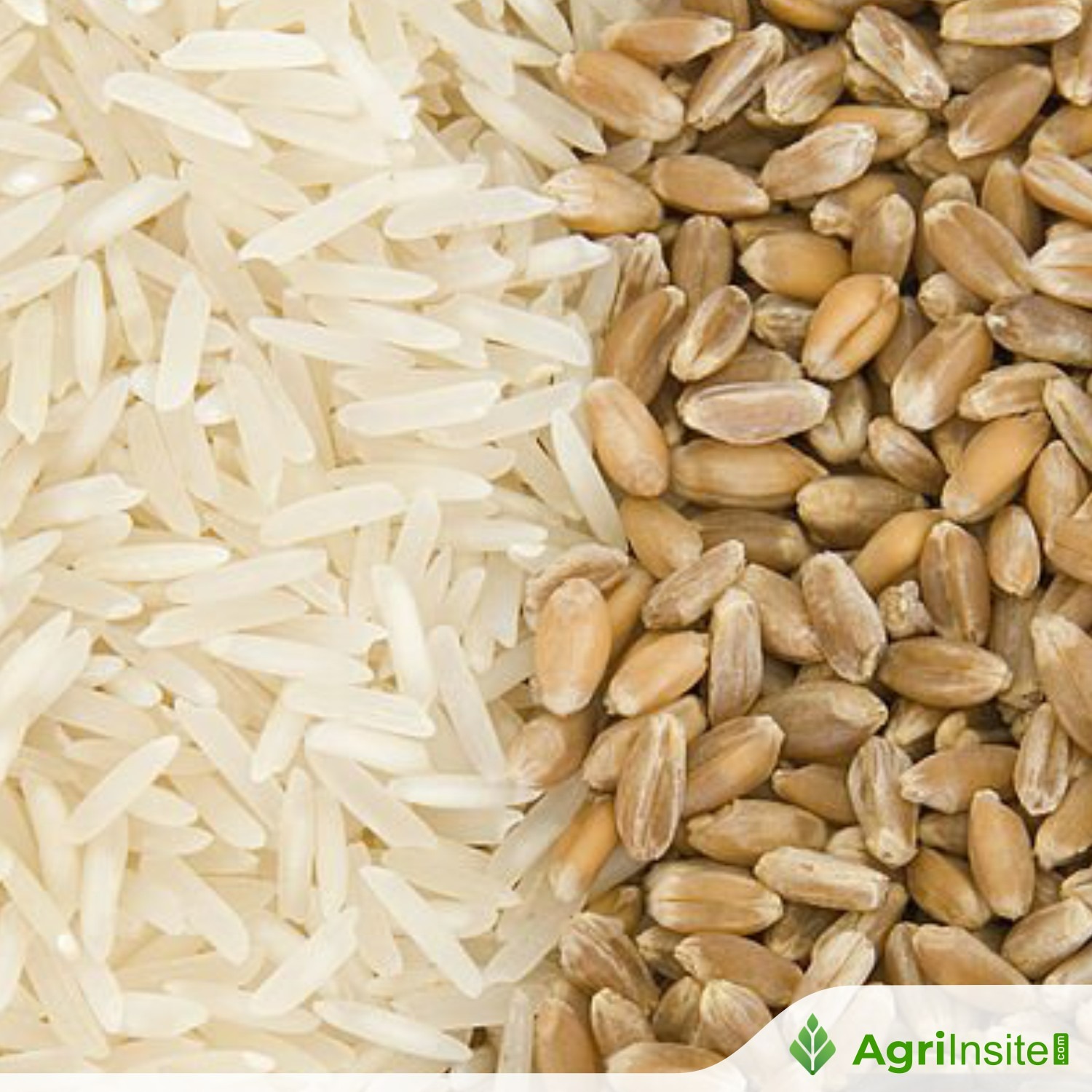
Petitioners also raised concerns about the government’s procurement practices, stating that while rice and wheat are purchased in large quantities at MSP, other crops receive little support. They argued that the current system, along with the distribution of free foodgrains under the National Food Security Act, has affected demand for other crops such as millets.
According to the plea, the availability of free wheat and rice to nearly two-thirds of the population has reduced the consumption of alternative crops, including millets, impacting both farmers’ incomes and dietary diversity. It added that replacing free food distribution with direct cash transfers could help create a more open market and encourage consumption of a wider range of crops.
The petitioners further warned that trade agreements allowing duty-free import of agricultural products could worsen the situation for domestic farmers. They urged the court to ensure a more remunerative MSP and broader procurement of crops beyond wheat and rice to address the ongoing distress in the farm sector.
To Read more about Wheat News continue reading Agriinsite.com
Source : Chinimandi