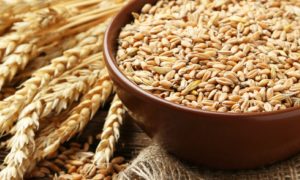
As poor-quality wheat piles up, procurement agencies seek waiver of storage gain norms

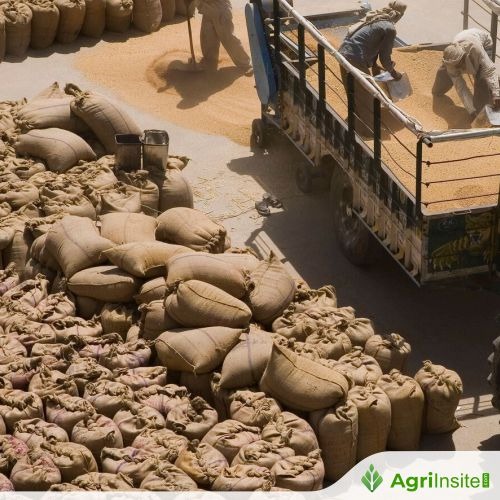
Punjab procurement agencies have urged the Centre to waive wheat storage gain norms for 2026–27, citing severe crop damage from heatwaves and unseasonal rains. Poor grain quality and inadequate storage could lead to weight losses, risking financial strain and operational challenges during large-scale procurement.
Flagging serious concerns over the quality of wheat, the Joint Coordination Committee of State Procurement Agencies, Punjab, has written to the state Department of Food, Civil Supplies and Consumer Affairs urging it to take up the matter with the Centre for a complete waiver of ‘storage gain’ norms for the 2026-27 procurement season.
In its letter, a copy of which is with The Indian Express, addressed to the Secretary of the department, the committee said that extreme weather conditions—including heatwaves during February-March and unseasonal rains and hailstorms during harvesting—have severely damaged wheat crop. As a result, the state is witnessing a sharp rise in shrivelled and broken grains, damaged kernels, and loss of lustre, along with higher moisture content.
The committee pointed out that the Centre, through the Ministry of Consumer Affairs, Food and Public Distribution, has already relaxed procurement norms for Fair Average Quality (FAQ) wheat. The permissible limits have been increased to 15% for shrivelled and broken grains and up to 70% for lustre loss, while damaged grains have been allowed up to 6%.
However, it added that even with these relaxations, the wheat being procured falls under Uniform Relaxed Specifications (URS) and is of significantly inferior quality compared to normal FAQ wheat. “Applying the existing storage gain formula, which is based on ideal FAQ conditions, to such substandard wheat is neither scientific nor practical,” the letter mentioned.
Citing a study by the Indian Council of Agricultural Research, the committee said that storage gain norms are derived from wheat stored under ideal conditions, which is not the case this year. Instead of gaining weight during storage, the current crop is likely to lose weight due to moisture evaporation, grain damage, and structural deterioration.
The letter also highlighted that the situation is worse than the 2015-16 crop, when the Centre had reduced storage gain norms by 50%. This year, however, the extent of damage is higher, warranting a complete waiver rather than partial relief.
Another major concern flagged was the acute shortage of scientific storage space in Punjab. With state godowns already filled with previous stocks of wheat and rice, agencies may be forced to store the new crop in open and substandard conditions, increasing the risk of infestation, spoilage, and further quality loss.
The committee warned that enforcing current norms could lead to financial losses and operational difficulties for procurement agencies, as they would be held accountable for weight variations that are beyond their control.
Calling the situation unprecedented, the committee urged the government to act swiftly. “The current wheat crop is neither comparable to standard FAQ wheat nor suitable for application of conventional storage norms. A complete waiver of storage gain is essential to ensure fair handling of this year’s crop,” the letter stated.
The issue comes at a time when Punjab is expecting over 120 lakh tonnes of wheat procurement, making it critical to address storage and handling challenges in a timely manner.
It has been signed by the officials of state procurement agencies, including Markfed, PUNSUP Pungrain, and Warehouse.
To Read more about Wheat News continue reading Agriinsite.com
Source : The Indian Express