Punjab expands maize push amid its heavy dependence on paddy

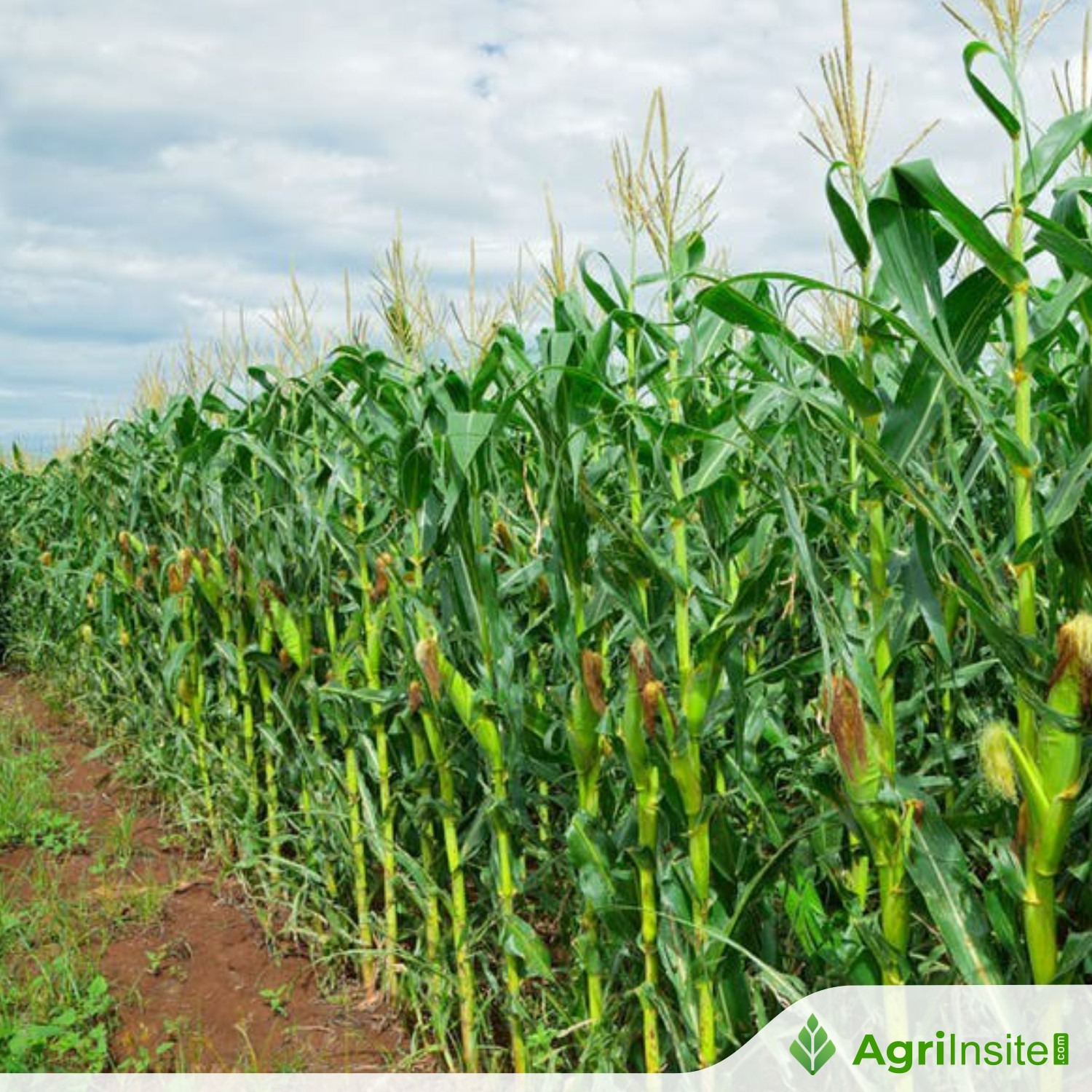
Punjab is expanding maize cultivation to reduce dependence on water-intensive paddy amid a worsening groundwater crisis. The policy focuses on crop diversification, water conservation, and incentives for farmers to shift toward maize and cotton cultivation.
Even as Punjab battles a deepening groundwater crisis, the state government has decided to expand its maize promotion policy this kharif season — being seen as a progressive move, but still far from the scale required to shift the state away from its heavy dependence on paddy.
In 2025, the government launched a pilot project to encourage farmers to shift from paddy to kharif maize on 12,000 hectares. It has now increased the target to around 20,000 hectares for the current season. The agriculture department has also set an overall target of bringing 1.25 lakh hectares under cotton, which is also an alternative to paddy — roughly 6,000 hectares more than the 2025-26 kharif season.
While the increase indicates policy continuity, experts argue that the numbers remain too small for any real impact in Punjab where paddy continues to dominate the agricultural landscape.
Last year, Punjab recorded nearly 32.48 lakh hectares under paddy. Against this backdrop, even 20,000 hectares under an incentivised maize shift appears marginal.
The state is offering an incentive of Rs 17,500 per hectare to farmers willing to diversify from paddy to maize. However, experts say this financial support is modest when compared to the economic backing paddy receives through free electricity and assured procurement. Punjab spends close to Rs 8,000 crore annually on power subsidy, enabling farmers to run tubewells for long hours to irrigate paddy — a crop that requires 25 to 30 irrigation cycles.
In contrast, maize requires just three to four irrigations, and largely depends on rainfall, making it far more water-efficient.
In the 2026-27 Punjab budget, the government has allocated Rs 7,715 crore to maintain free power for the agriculture sector covering tubewell operations for farmers. Despite this advantage, maize cultivation in Punjab has remained stagnant for years.
The area under maize has fluctuated between around 95,000 hectares and 1.3 lakh hectares over the past two decades. The area has even dropped to nearly 80,000 hectares a couple of years back.
The new target may bring an area of 1.5 lakh hectares, though higher, still represents only a fraction of the total cropped area. Experts say that unless diversification efforts match the scale of the paddy economy, the impact will remain limited.
The contrast becomes sharper when seen alongside other crops.
Cotton, for instance, was cultivated on around 2.5 lakh hectares in 2021. It showed that farmers are willing to diversify with favourable conditions. However, fluctuating returns, pest attacks and lack of policy consistency have prevented sustained growth in alternative crops.
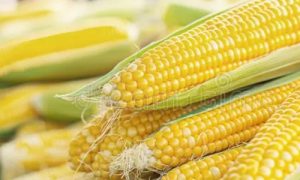
Maize, on the other hand, offers ecological and economic advantages. Punjab’s productivity in maize is already 15-20 per cent higher than the national average. The crop has a strong demand across sectors like poultry feed, starch and processed foods. Yet, over 90 per cent of Punjab’s maize requirement is met through imports from other states.
The experts stress that diversification cannot rely solely on incentives. It requires a complete ecosystem including assured procurement, price stability, infrastructure like grain dryers and processing industries.
Timing is another concern. Farmers often make sowing decisions in advance, experts said, adding that diversification schemes should be announced at least six months ahead for proper planning.
Experts also think that the state must rethink its subsidy structure. Redirecting even a portion of the power subsidy towards farmers who adopt alternative crops could significantly accelerate diversification.
A senior officer in Punjab agriculture department said, “Punjab has nearly 11 lakh farming households, if each paddy-growing farmer shifts even one acre to alternative crops… the state could bring nearly 9-10 lakh acres under diversification — enough to make a visible difference in groundwater conservation.” Such farmers can be incentivised by diverting paddy power subsidy amount towards the diversified area.
For now, the government’s expanded maize push signals intent, but not transformation, the officer said
A Punjab agricultural University (PAU) scientist said, “With groundwater levels continuing to fall and input costs rising, the need for large-scale diversification is becoming more urgent than ever. The question is not whether Punjab should shift away from paddy — but whether it is willing to do so at the scale required.”
To Read more about Maize News continue reading Agriinsite.com
Source : The Indian Express