Indonesia sees rice output stable despite El Nino risk

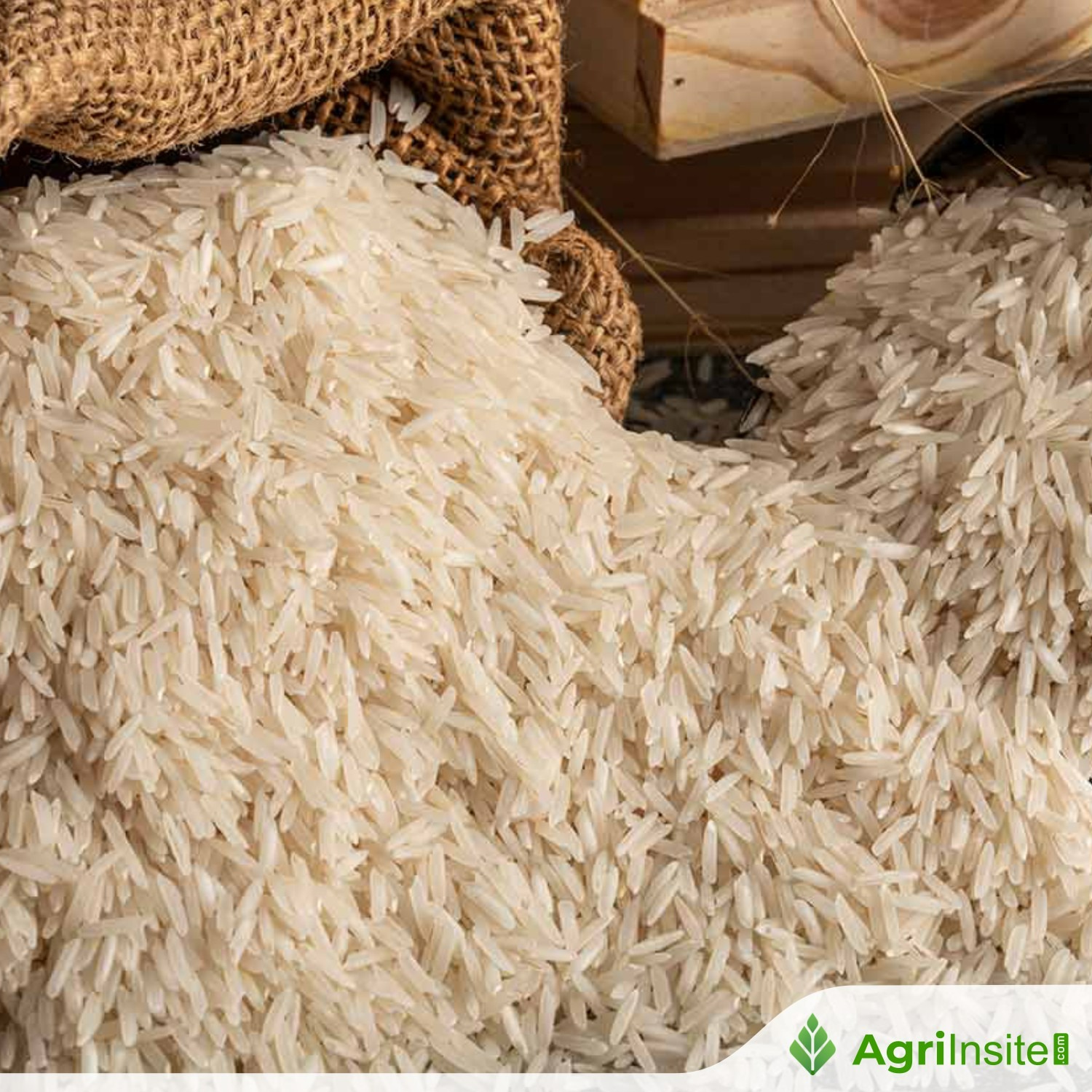
Indonesia said rice production is expected to remain stable despite possible El Nino drought risks later this year, supported by irrigation measures, increased cropping cycles and strong reserves. The government said total rice availability stands at around 28 million tons, sufficient for nearly 11 months consumption.
Indonesia’s Agriculture Ministry said national rice production is expected to remain stable despite the risk of El Nino-triggered drought later this year, supported by irrigation measures and strong food reserves.
Deputy Agriculture Minister Sudaryono said the government began preparing early this year after receiving climate warnings from the Meteorology, Climatology and Geophysics Agency, known as BMKG.
“Currently, we are focused on ensuring production does not decline,” Sudaryono said at the National Conference on Regional Economic Development in Jakarta on Monday.
The government’s preventive measures include water pumping, pipeline installations and drilled wells to keep farmland productive during the dry season.
The Agriculture Ministry is also pushing to increase the national cropping index to maximize planting and harvesting cycles throughout the year.
Sudaryono said the government aims to raise the cropping index closer to IP200, or two planting and harvesting cycles annually.
He said Indonesia’s average harvest frequency remains below two harvests per year and requires further improvement to support food security.
The government is also preparing contingency measures for a worst-case drought scenario by maintaining adequate national rice reserves.
Sudaryono said rice stocks stored by state logistics agency Bulog currently total about 5.3 million metric tons.
In addition, Indonesia has nearly 12 million tons of standing rice crops and about 12 million tons of rice stocks held by households and private channels, he said.
“That means total rice availability is around 28 million tons,” Sudaryono said.
Based on monthly consumption levels, Indonesia’s rice reserves would be sufficient for about 10.8 months, or nearly 11 months, he added.
Sudaryono said the stock level should provide enough buffer to withstand El Nino conditions expected to last as long as six months.
“So far, our food supplies, especially rice, remain sufficient to meet public demand,” he said.
Indonesia has intensified efforts to strengthen domestic food security following weather disruptions that affected agricultural production in recent years.
The government has expanded irrigation support, accelerated planting programs and increased procurement by Bulog to stabilize domestic rice supplies and prices.
El Nino weather patterns typically bring prolonged dry conditions to parts of Southeast Asia, threatening crop yields and water availability.
Indonesia, one of the world’s largest rice consumers, relies heavily on stable domestic production to control inflation and maintain food affordability.
To Read more about Rice News continue reading Agriinsite.com
Source : Antara