Australian wheat harvest to drop almost 50 per cent as farmers adapt to energy crisis

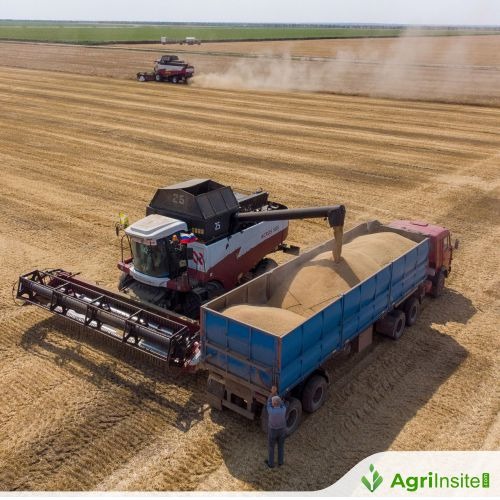
Australian farmers are cutting wheat plantings as Iran-war-driven fuel and fertiliser costs surge and dry weather persists. Wheat area may fall 20%, with harvest potentially halving amid El Niño risks. Higher food production costs could lift prices and worsen inflation.
Farmers have drastically scaled back their wheat crops this year in a trend that threatens to worsen the country’s cost-of-living crisis after soaring fuel and fertiliser prices from the Iran war and dry weather prompts growers to rethink the food staple.
The three-month conflict in the Middle East and the closure of the Strait of Hormuz has already triggered a massive shake-up in global agriculture and sent commodity markets into a spin. Rabobank is now forecasting oil prices could spike to an average of $US120 a barrel in the coming months up from about $US70 before the conflict.
The energy shock has directly hit the agricultural supply chain, driving up the costs of running machinery and the manufacturing of chemical fertilisers that farmers rely on to grow food.
Vincent Carse, a commodity strategist at NAB, warned that Australia was more exposed from disruptions than other large grain-producing countries, owing to its reliance on imports from the Middle East.
The toll on local farming budgets this year is stark – Australian diesel prices are 35 per cent higher than pre-conflict levels while wholesale urea prices – a nitrogen fertiliser – have surged 70 per cent, heavily inflated by soaring natural gas processing costs.
Fuel and fertiliser make up nearly one-third of total expenses for crop farmers, which places a massive strain on baseline profitability, said Carse.
A tale of two coasts
For Australian growers, the combination of skyrocketing expenses and erratic weather has made planting a risky gamble.
According to Rabobank, the total area dedicated to winter crops across Australia is expected to shrink by 8 per cent this season, which is well below the five-year average, and comes down largely down to wheat – the staple ingredient behind everyday essentials like bread and pasta.
Australian wheat plantings are projected to plummet by a massive 20.4 per cent compared to last year. That’s inline with a global trend, with farmers worldwide facing a squeeze on profit margins and higher costs.
“The global wheat market is shifting from a well-supplied 2025 to a more constrained balance in 2026, driven by higher input costs, weaker profitability, and emerging weather risks,” said Vitor Pistoia, senior grains and oilseeds analyst at Rabobank.
But the reduction in crop size is not hitting the country evenly, with weather conditions either compounding or easing the financial strain on farmers.
On the east coast, a dry summer and autumn have left fields parched – Queensland’s crop area is estimated to plunge by nearly 35 per cent and NSW is looking at a 29 per cent drop. In contrast, Western Australia has had plenty of soil moisture, pushing its planted area to a record high.
However, even where seeds are making it into the ground, total output is expected to drop significantly as farmers opt to use less of the expensive chemical fertilisers, which will mean a reduced crop yield.
Coupled with the threat of a developing El Nino weather pattern that is typically associated will drier conditions, Australia’s total wheat harvest is forecast to drop by nearly 50 per cent.
To survive the financial squeeze, many farmers are abandoning wheat altogether in favour of lower-maintenance options like barley and canola which is on the rise.
“These higher costs are encouraging shifts towards lower-input crops and contributing to a reduction in total cropping area,” Pistoia said.
He added that high fuel prices might also disrupt the global supply chain as countries choose to keep food at home rather than pay to ship it.
The supermarket squeeze
“This may potentially slow global grain movements later in the season to ports, providing some underlying support to international grain prices.”
Economists warn that the supply shortage will inevitably spread to the supermarket shelves as it pushes up the price of wheat products along with other grocery staples like cocoa, sugar, and dairy which are also being impacted from the higher costs.
The broad spike in agricultural costs is also happening at the worst possible time for consumers, who are already coping with elevated inflation from the war. The situation has grown so severe that the British government recently urged supermarkets to voluntarily freeze food prices to protect shoppers.
Carlos Mera, the head of agri commodity markets research at Rabobank, warned that food businesses were caught in a brutal financial vice that would make stable food pricing incredibly difficult to maintain.
“All these factors will tend to increase the production costs of agricultural goods,” Mera stated. “At the same time, inflationary pressures will continue to exacerbate the cost-of-living crisis.”
To Read more about Wheat News continue reading Agriinsite.com
Source : Financial Review