Rising night temperatures threaten wheat yields in Uttar Pradesh: Study

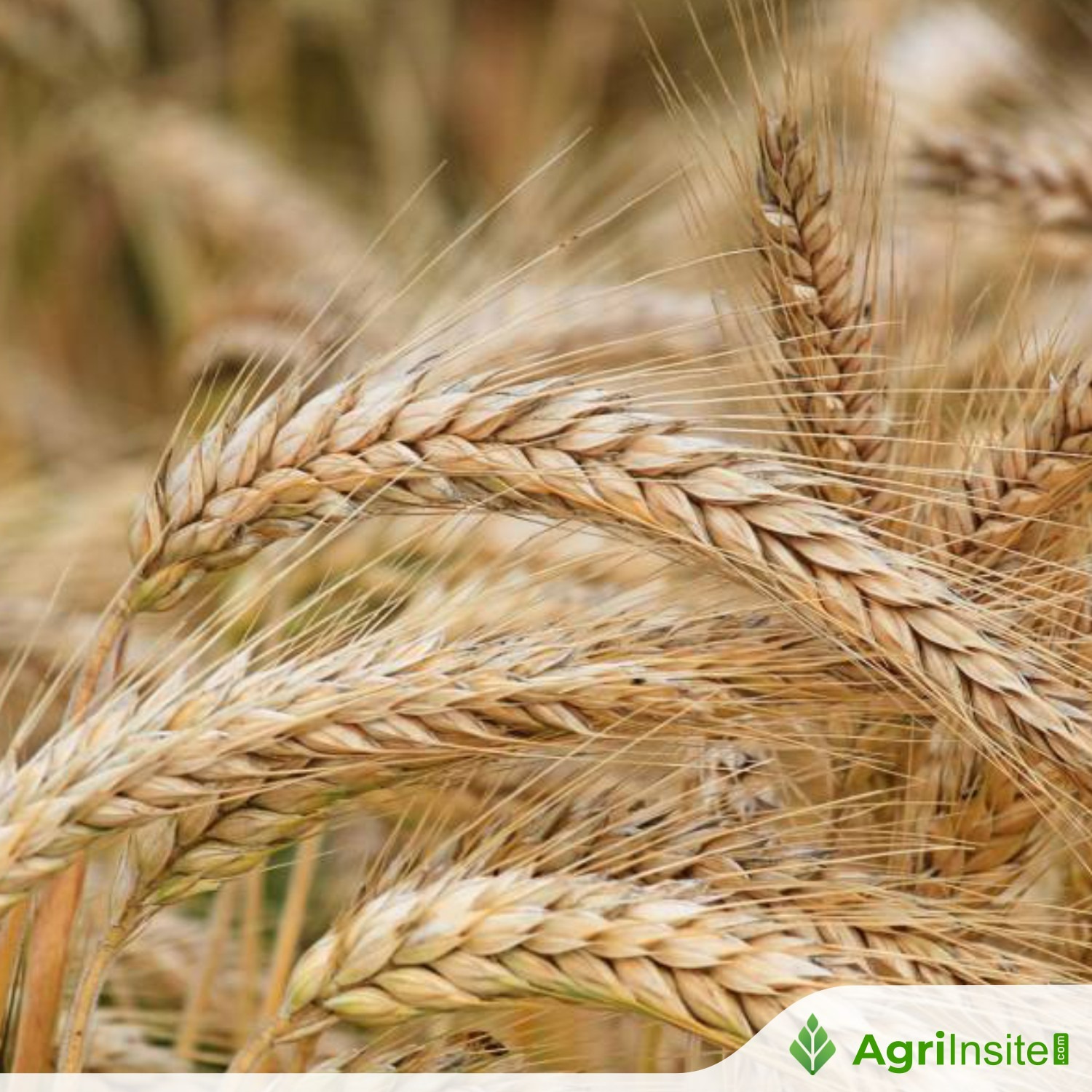
Rising night-time temperatures and shorter winters are threatening wheat production in Uttar Pradesh and other key states. A Climate Trends report warns that warming winters, heat stress and unseasonal rains could reduce yields, raising food security concerns despite farmers adopting heat-tolerant varieties and improved practices.
Lucknow: Rising night-time temperatures and shrinking winter seasons are posing a serious threat to wheat production in Uttar Pradesh, India’s largest wheat-producing state, according to a new report released by climate research organisation Climate Trends.
The study, titled Wheat Under Stress: Climate Change, Rising Heat, and Adaptation Pathways in India’s Major Wheat-Growing States, warns that warming winters, increasing minimum temperatures and recurring heat stress events are disrupting wheat cultivation across major producing states, including Uttar Pradesh, Punjab, Haryana, Madhya Pradesh and Gujarat.
The findings come amid growing concerns over India’s food security. The India Meteorological Department (IMD) has recently revised its monsoon forecast downward to 90 per cent of the long-period average, while global weather agencies are monitoring conditions that could develop into a strong El Niño event, raising fears of adverse impacts on agriculture.
India produces around 107 million tonnes of wheat annually and contributes nearly 14 per cent of global wheat output. Uttar Pradesh accounts for the largest share of the country’s wheat production, making climate-related risks in the state particularly significant.
According to the report, night-time temperatures are rising faster than daytime temperatures across major wheat-growing regions. Uttar Pradesh recorded one of the steepest increases in minimum temperatures among the states studied. Researchers said warmer nights increase plant respiration, causing crops to consume carbohydrates stored for grain development. This leads to premature maturity, reduced grain size and lower yields.
“One of the most under-recognised threats to India’s wheat production is the steady increase in night-time temperatures,” said Dr Palak Balyan, Research Lead at Climate Trends and lead author of the study. She noted that warmer nights create physiological stress in plants, while sudden warming during February and March shortens the grain-filling period critical for yield formation.
The report found that winters are becoming shorter, with February warming at a rate of 0.69 degrees Celsius per decade. March and April have also recorded significant temperature increases, exposing wheat crops to heat stress during sensitive growth stages such as flowering and grain filling. The study also highlights the growing risk from unseasonal rainfall linked to delayed western disturbances. Heavy rains during March and April often coincide with harvesting, damaging standing crops, reducing grain quality and increasing post-harvest losses.
Experts said farmers are responding by altering sowing schedules, adopting heat-tolerant and short-duration varieties and improving water management practices. However, limited access to finance, technology and climate information continues to constrain adaptation efforts.
To Read more about Wheat News continue reading Agriinsite.com
Source : Millennium Post