Pakistan : Wheat, flour prices continue climbing despite planned imports and higher output

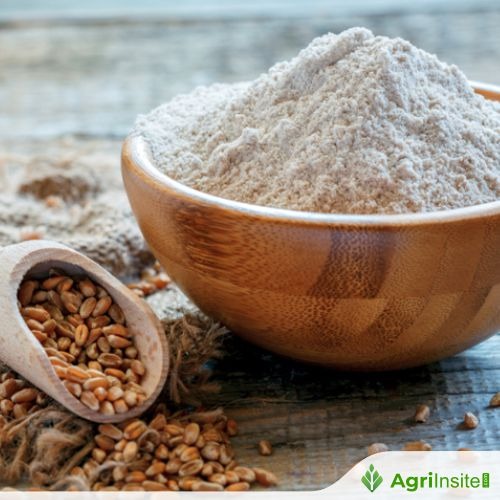
Pakistan’s wheat and flour prices continue rising despite a 4.3% increase in FY26 wheat production and plans to import one million tonnes. Analysts attribute higher prices to hoarding and delayed imports, while industry estimates domestic output remains below national consumption, supporting additional imports.
The federal government’s decision to import one million tonnes of wheat has done little to ease pressure on domestic wheat and flour prices, with the latest official data showing continued increases despite a 4.3% rise in wheat production during FY26. According to a report by Dawn.
According to the Sensitive Price Index (SPI) for the week ending July 30, the national average price of 10 kilograms of wheat increased to Rs1,223 from Rs1,179 a week earlier. The average price of fine flour rose to Rs152.14 per kilogram from Rs148, while a 20kg flour bag was priced between Rs2,200 and Rs3,133, compared with Rs2,200 to Rs2,960 in the previous week.
Prices have climbed steadily since the end of March, when the national average stood at Rs1,039 for 10kg of wheat, Rs137 per kilogram for fine flour and Rs1,810-Rs2,740 for a 20kg flour bag.
The upward trend has also been reflected in Karachi, where flour millers have raised prices over the past two weeks. A 50kg No. 2.5 flour bag now sells for Rs6,675, up from Rs6,325 in mid-July. Prices of a 50kg maida bag have increased from Rs6,825 to Rs7,325, while a 50kg fine flour bag has risen from Rs6,975 to Rs7,475.
The continued increase in prices comes even though wheat harvested in Punjab and Sindh entered the market between March and May. Market participants attribute the persistent rise to speculative buying and hoarding, arguing that stronger domestic production has yet to translate into lower consumer prices.
Analysts and traders say the planned import of one million tonnes is unlikely to provide immediate relief, as imported wheat is expected to arrive only after two to three months. Even if flour prices eventually decline by Rs8-10 per kilogram, they argue the reduction would offer limited benefit to households already facing higher fuel and living costs.
The government’s import plan has also divided the grain trade. While some private commodity importers have urged Islamabad to allow commercial imports—proposing an initial two million tonnes followed by another two million tonnes—others oppose opening imports to the private sector.
According to reports presented at a recent Wheat Board meeting, the provinces collectively sought imports of around 2.2 million tonnes, including one million tonnes requested by Punjab, 500,000 tonnes by Sindh, 200,000 tonnes by Khyber Pakhtunkhwa and 57,500 tonnes by Balochistan.
Karachi Wholesalers Grocers Association (KWGA) Chairman Rauf Ibrahim questioned the official estimate of more than 29 million tonnes of wheat production, claiming actual output was closer to 27 million tonnes against annual consumption of 32 million tonnes. He argued the government should manage imports directly to avoid cartelisation by private traders and suggested increasing imports to four million tonnes to meet demand until the next harvest while ensuring smooth inter-provincial movement of wheat.
Offering a different assessment, Cereal Association of Pakistan (CAP) Chairman Muzammil Chappal said FY26 wheat production was unlikely to exceed 26 million tonnes, adding that the government’s estimates overstated output. He maintained that the private sector could import wheat at a landed cost of Rs95-100 per kilogram, based on a C&F price of $330-350 per tonne at Karachi, without requiring government subsidies or placing any burden on the national exchequer.
Chappal added that private importers had previously demonstrated their capability by importing about 3.7 million tonnes of wheat, helping improve domestic availability, stabilise supplies and moderate prices across the country.
To Read more about Wheat News continue reading Agriinsite.com
Source : Profit Pakistan Today