Summer maize acreage in Ludhiana dips by just 500 hectares

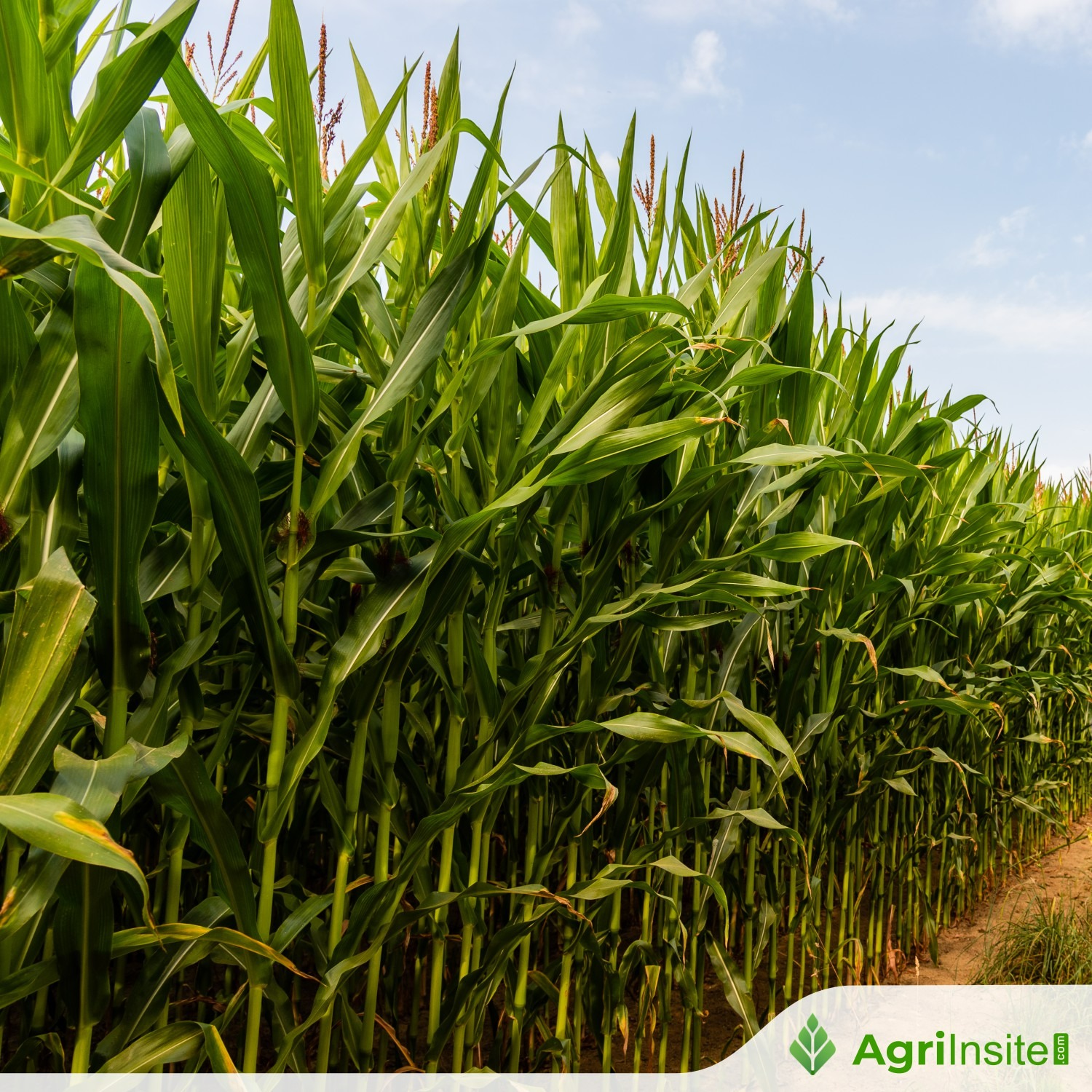
Ludhiana farmers cultivated 15,500 hectares of water-intensive summer maize despite repeated advisories, only slightly below last year’s 16,000 hectares. Requiring 12–15 irrigations, compared with 2–3 for kharif maize, the crop is worsening groundwater depletion, although farmers favour its strong silage demand and economic returns.
Despite repeated advisories from agricultural scientists and the agriculture department, farmers in Ludhiana continue to grow water-intensive summer maize, raising fresh concerns over groundwater depletion.
Summer and spring maize have been cultivated on nearly 15,500 hectares this year, only marginally lower than the 16,000 hectares recorded last year, according to the district agriculture department. Officials said the decline was too small to indicate any significant shift in cultivation despite continuous awareness campaigns.
The trend comes even as the government promotes kharif maize as a water-saving alternative to paddy.
Unlike kharif maize, however, summer maize also requires heavy irrigation, undermining efforts to reduce pressure on the state’s depleting groundwater reserves.
Chief agriculture officer Gurdeep Singh said the department has been continuously sensitising farmers about the crop’s excessive water requirement and advising them against cultivating it. “However, since the crop is not banned, there is no provision for imposing any penalty,” he said.
Surinder Kaur Sandhu, principal maize breeder and head of the maize research group at the Punjab Agricultural University (PAU), said summer maize is grown during the hottest months of May and June, when water demand is at its peak.
“This crop requires around 12 to 15 irrigation cycles, whereas kharif maize generally needs only two to three irrigations. Over the last two to three years, many farmers have adopted a cropping pattern in which wheat is followed by summer maize and then paddy. Since paddy itself requires around 150 to 160 centimetres of water, this combination puts enormous pressure on the state’s already declining groundwater resources,” she said.
Sandhu said farmers continue to prefer summer maize because of its shorter growing period and its suitability for silage production, which offers an assured market for livestock feed.
She added that PAU’s extension department has organised several training sessions and awareness camps to discourage the cultivation of summer maize. Despite repeated outreach efforts, many farmers continue to choose the crop because of the economic returns it offers.
To Read more about Maize News continue reading Agriinsite.com
Source : Hindustan Times