Malaysia’s palm oil industry shifts towards high-value products

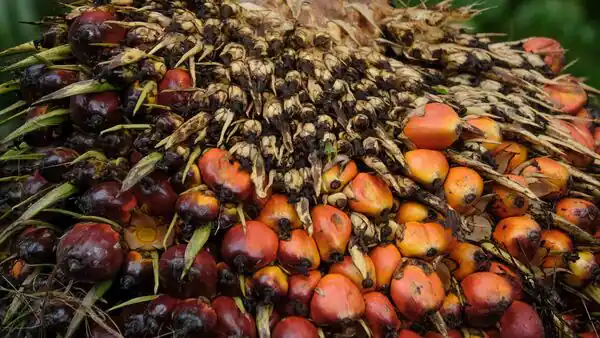
Malaysia is transforming its palm oil industry through AI, high-value technologies and sustainability. The MPOB launched nine innovations, including SawitSCAN for AI-based fruit ripeness detection, functional food products, controlled-release fertiliser and disease-resistant palms to boost competitiveness, productivity and green economic growth.
Malaysia’s palm oil industry is undergoing a significant shift from focusing solely on raw material production to technology-driven innovation and the commercialisation of high-value-added products.
Addressing the Malaysian Palm Oil Board (MPOB) Transfer of Technology Programme on June 30, Minister of Plantation and Commodities Noraini Ahmad affirmed that the future and long-term growth of the industry depend on its ability to develop advanced technologies that are globally competitive.
One of the technological highlights introduced was the SawitSCAN system, which uses artificial intelligence (AI) and imaging technology to automatically and accurately determine the ripeness of fresh palm fruit bunches, reducing reliance on manual inspection and improving operational efficiency at processing plants.
In an effort to promote commercialisation, the MPOB launched nine new technologies aimed at creating greater value across the entire palm oil supply chain. This shift demonstrates that the industry is moving beyond traditional edible oil production, positioning palm oil as a raw material for future foods, nutraceuticals, specialty chemicals, and even cooling technologies for data centres.
Beyond industrial applications, the MPOB has also made significant strides in the fields of food, health, and sustainability. New initiatives include palm oil-based meat substitutes, dietary fibre, and technology to enhance vitamin E absorption in the human body, meeting the growing demand for functional foods.
In terms of environmental protection, MPOB F7, a plant polymer-coated controlled-release fertiliser, has been introduced to reduce nutrient loss and minimise adverse impacts on ecosystems. Furthermore, research is focusing on developing disease-resistant palm varieties to increase yields and reduce damage caused by stem rot.
MPOB Chairman Mohamad Helmy Othman Basha said that the success of a technology should be measured by its practical application in industry and its contribution to the economy, rather than by the number of patents it generates.
Malaysia is striving to become a leader in palm oil innovation while supporting the transition to a green and digital economy.
To Read more about Edible Oil News continue reading Agriinsite.com
Source : Vietnam Plus