Zimbabwe’s 10-year plan targets 35% sugar cane yield jump

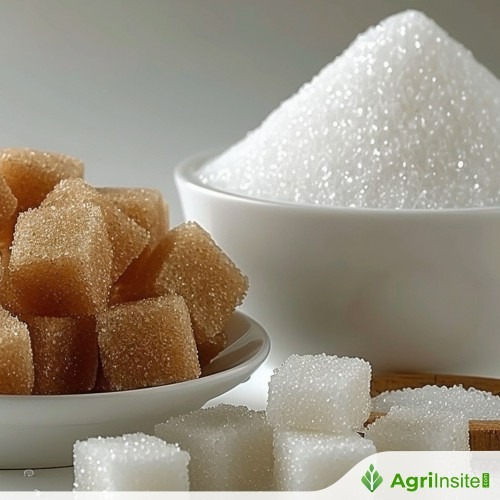
Zimbabwe approved a 10-year sugar strategy targeting 500,000 tonnes of annual sugar production by 2035, alongside 600 million litres of ethanol, 200MW electricity generation, and 200,000 tonnes of sugar exports, supported by irrigation, farmer financing, outgrower support, diversification and value-added sugarcane products.
The plan, approved by Cabinet last week, also aims to increase annual sugar production to 500 000t, up from the current 400 000t.
In a post-Cabinet media briefing, Minister of Information, Publicity and Broadcasting Services Dr Zhemu Soda said the strategy will hinge on enhanced irrigation infrastructure, improved access to affordable finance for farmers, and support for outgrowers (independent farmers contracted to supply sugar mills), with the aim of significantly boosting both sugar cane yields and hectarage.
Soda said the plan seeks to transform Zimbabwe into a globally competitive, climate-resilient, and innovation-driven producer of sugar cane and sugar cane-based products by the end of the 10-year period.
He explained that more efficient production systems will lower unit costs and reduce average market prices, while increased processing capacity is expected to boost ethanol output and sugar exports, supporting profitability across the value chain.
“The [plan’s] specific, quantifiable milestones to be achieved by 2035 include expanding annual ethanol production from 155 million litres to 600 million litres, increasing electricity generation from 23MW to 200MW, and boosting [annual] sugar exports from 100 000t to 200 000t,” he added.
The strategy is anchored on seven pillars: enabling policy, regulatory, and institutional frameworks; enhancing productivity and climate resilience; promoting product diversification; market and trade development and value chain diversification; research, technology, and innovation; inclusive growth and smallholder development; and finance and investment.
It will also focus on diversification and value addition through expanded ethanol production, renewable energy generation, and the development of industrial by-products such as biofertilisers, stock feeds, bioplastics, and other downstream industries derived from sugar cane residues such as molasses and bagasse.
To Read more about Sugar Industry continue reading Agriinsite.com
Source : Farmers Weekly