Govt Climate Audit Flags 109 High-Risk Districts, Warns Of 47% Drop In Rice Yield, Says Union Environment Minister

The Indian government identified 109 districts as very high climate-risk zones and warned that rainfed rice yields could decline 47% by 2080. Climate change is also projected to reduce wheat, maize, livestock and fisheries productivity, highlighting growing food security challenges.
New Delhi: The central government has carried out national-level assessments of climate change and extreme weather across the country over the past 10 years, identifying 109 districts as “very high” climate-risk zones while warning that rainfed rice yields could decline by 47% by 2080, Union Minister for Environment, Forest and Climate Change Bhupender Yadav told the Lok Sabha on Monday.
In response to a query in Lok Sabha, the Minister informed the House that as a party to the United Nations Framework Convention on Climate Change (UNFCCC), India has been submitting its National Communication to the UNFCCC from time to time regarding the implementation of the Convention and provides information on India’s greenhouse gas (GHG) inventories, climate change vulnerabilities, mitigation and adaptation strategies.
He said the Third National Communication (TNC) submitted by the Ministry of Environment, Forest and Climate Change in 2023 has reported that India is experiencing a full range of climate change impacts, ranging from floods and droughts to heatwaves and glacier melt.
Yadav said the Ministry of Earth Sciences has published a report in 2020 titled “Assessment of Climate Change over the Indian Region”, which provides a comprehensive assessment of observed and projected changes in climate over India.
Additionally, he said the India Meteorological Department (IMD) has developed a web-based “Climate Hazard and Vulnerability Atlas of India”, which covers 13 major hazardous meteorological events that cause significant human, animal, and economic losses. The IMD also studied changing rainfall patterns in the country and extremes in the recent 30 years at different spatial scales (states and districts).
In reply to another question whether the government has conducted any study regarding the impact of climate change on agricultural yield, crop productivity, animal husbandry, water resources and rural economy, he said the Government of India through Indian Council of Agricultural Research (ICAR) flagship network project “National Innovations in Climate Resilient Agriculture (NICRA)” conducted a district-level risk and vulnerability assessment of agriculture to climate change for 651 predominantly agricultural districts as per Intergovernmental Panel on Climate Change (IPCC) protocols.
“A total of 109 districts are categorised as ‘very high’ and 201 districts as ‘highly’ vulnerable. NICRA also assessed the impact of climate change on crop yields using simulation models in the country.
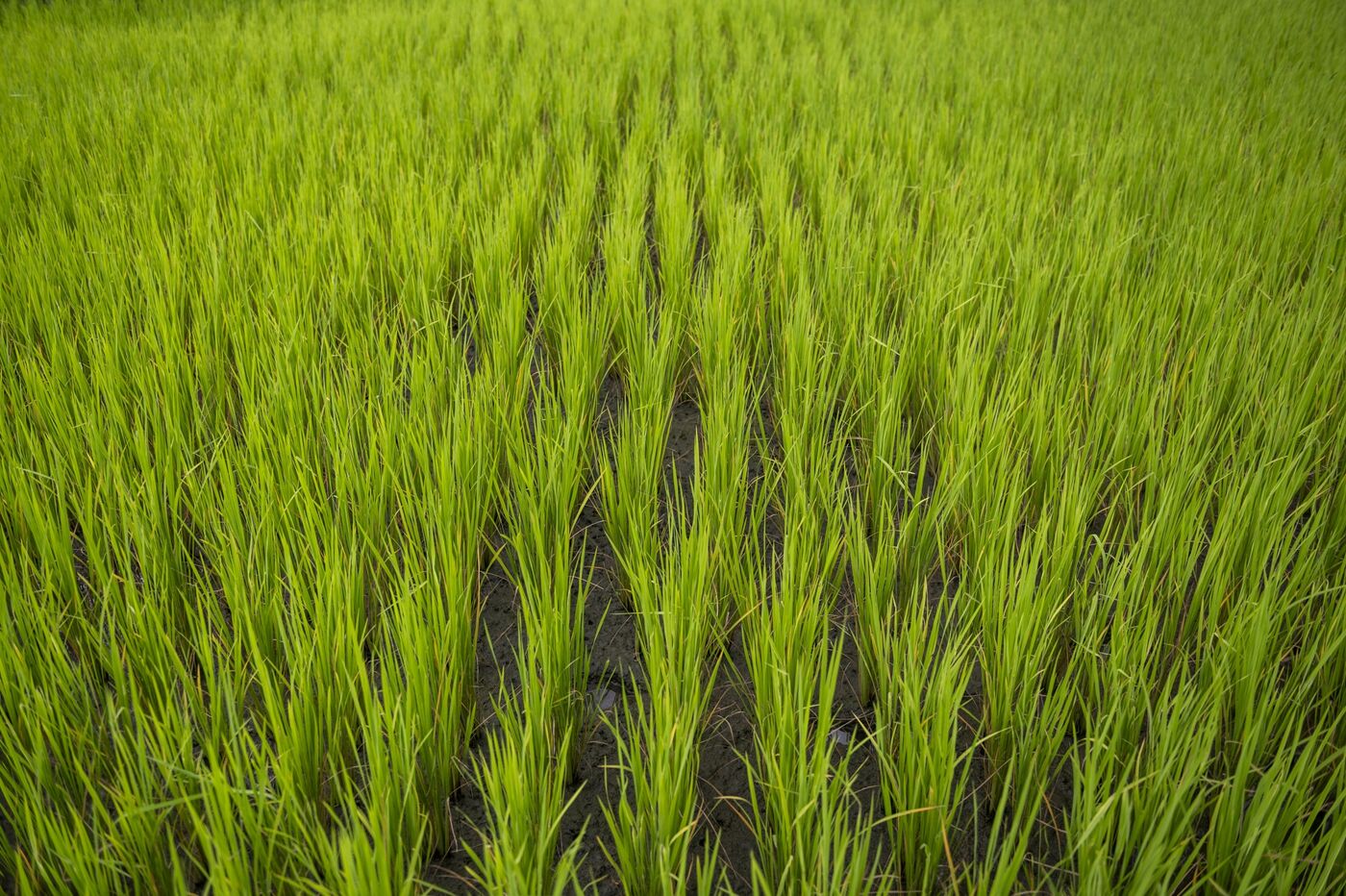
The study indicated that rice yield under rainfed agriculture is projected to reduce by 20% in 2050 and 47% in 2080, while irrigated rice yield will reduce by 3.5% in 2050 and 5% in 2080. The wheat yield is projected to reduce by 19.3% in 2050 and 40% in 2080; maize yield by 18% in 2050 and 23% in 2080,” the Minister told the Lower House.
He said the rising temperature due to climate change is also expected to result in decreasing productivity in milk, meat, wool and draught power.
“The annual milk yield loss in India due to heat stress in cattle and buffalo is about 1.8-2 million tonnes. Temperature rise is likely to affect fish migration and habitats, increasing stocks in some areas and decreasing them in others,” he said.
The Minister said that the National Action Plan on Climate Change is the overarching framework for India’s climate action and comprises nine national missions covering solar energy, enhanced energy efficiency, sustainable habitat, water, sustaining the Himalayan ecosystem, Green India, sustainable agriculture, human health, and strategic knowledge on climate change.
The Minister said these missions are implemented by their respective nodal Ministries and Departments through various schemes and programmes across sectors. He added that six of the nine missions focus on adaptation to enhance the resilience of vulnerable communities and sectors.
To Read more about Rice News continue reading Agriinsite.com
Source : ETV Bharat