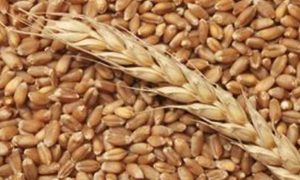
US wheat crop could fall to a 56-year low


US wheat production in 2026/27 could fall to 41.8 MMT, the lowest since 1970/71, amid severe drought. HRW output may plunge 41.4% to 12.8 MMT, cutting exports to 5.7 MMT. Spring wheat prospects are better, but heat threatens yields and further production losses.
US wheat production in 2026/27 could fall to its lowest level since the 1970/71 season due to severe drought across key winter wheat growing regions. In July, USDA forecast the crop at 41.8 mln tons, down 22.6% from 54 mln tons last year. Market participants expect the estimate could be lowered further in USDA’s August update.
Hard Red Winter (HRW) wheat has suffered the heaviest losses, with severe drought affecting crops across the Great Plains. In July, USDA estimated HRW production at just 12.8 mln tons, down 41.4% from 21.9 mln tons last season. This would be the smallest HRW crop since 1957/58.
Particularly sharp declines are expected in several key producing states. Kansas wheat production is forecast at 5.3 mln tons, down 43.5% from 9.4 mln tons last year and potentially the smallest crop since the 1950s. Nebraska’s production could fall by 57% to its lowest level since 1917, while Colorado is projected to harvest its smallest wheat crop since 1965.
The sharp reduction in HRW supplies is already weighing on US export prospects. USDA forecasts HRW exports at 5.7 mln tons in 2026/27, compared with 8.7 mln tons last season. Domestic consumption is also expected to decline to 11.2 mln tons from 12.4 mln tons in 2025/26.
The outlook for spring wheat remains relatively better, although prolonged heat across the Northern Plains poses a risk to yields. A recent Wheat Quality Council crop tour estimated the average yield at 3.2 t/ha, compared with USDA’s July estimate of 3.9 t/ha. At the beginning of August, 55% of the US spring wheat crop was still rated in good or excellent condition.
The US winter wheat harvest is nearing completion, while the spring wheat harvest is only beginning to gain pace. The full extent of production losses will depend on harvest results across the northern states. Lower US production and export availability could make the global wheat market more sensitive to weather problems in other producing countries and disruptions to grain supplies.
To Read more about Wheat News continue reading Agriinsite.com
Source : Ukr Agro Consult