Edible oils duty cut: Indian govt has to balance consumers’ and farmers’ interest, says Agriculture Minister

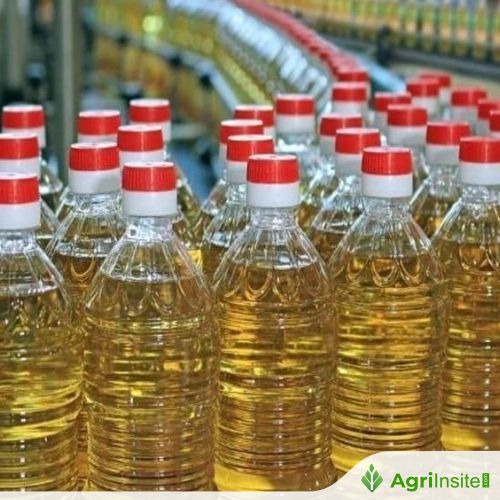
India’s government has defended edible oil duty cuts to ensure consumer availability while balancing farmers’ interests. With rising food inflation and heavy import dependence, the Centre aims to stabilise supplies. NAFED and NCCF will directly procure oilseeds and pulses below MSP to provide faster support and reduce delays in procurement operations.
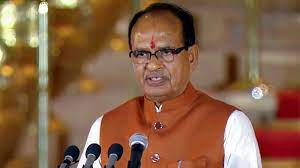
Union Agriculture Minister Shivraj Singh Chouhan on Tuesday defended the reduction and abolition of import duty on certain edible oils, saying the government has to take a balanced view to ensure availability while protecting farmers’ interests. He announced that the Centre’s nodal agencies, NAFED and NCCF, would procure oilseeds and pulses on their own without waiting for States’ requests to avoid time lag when farmers sell below MSPs in the absence of official procurement.
Earlier this month, the government halved the import duty on palm and soyabean oil and abolished it on sunflower oil since these three major imported refined oils are used by the consumers as the country imports 55 per cent of its edible oil requirement.
The basic customs duty (BCD) on crude soybean oil and palm oil has been slashed from 10 per cent to 5 per cent, and on refined soybean oil and palm oil from 32.5 per cent to 27.5 per cent. On the other hand, the BCD on crude sunflower oil has been abolished, as previously it attracted 10 per cent. But the import duty on refined sunflower oil has been trimmed to 22.5 per cent from 32.5 per cent, the Finance Ministry said in a notification on September 23.
Food inflation
All India Consumer Food Price Index (CFPI) for the month of August was 5.95 per cent, up from 5.52 per cent in July. In the food basket, retail inflation in refined oil, the most consumed edible oil, after moving to double digits (10.25 per cent) in April from 7.62 per cent in March, has been on a constant rise and in August it recorded 14.24 per cent.
Chouhan said that the government has to strike a balance to make sure an adequate quantity is available, and it is not the first time edible oil has been imported, since India has long been dependent on imports.
Moong’s case
On the changes made in guidelines under the PM-AASHA scheme, which deals with procurement of oilseeds and pulses at their respective minimum support prices (MSPs), Chouhan said that sometimes there are delays in starting the procurement operations. “We have discussed with States. The idea is to allow procurement through notified agencies, NAFED and NCCF, as soon as mandi prices fall below MSPs and the procured quantity gets adjusted when formal approval comes after States’ request,” he said.
businessline on September 20 reported that Rajasthan, the top producer of the kharif season’s moong (green gram), received nearly 63,000 tonnes of the pulses crop from the fresh harvest since September 1, and it was nearly 10 times higher than the year-ago period. But farmers, on average, realised ₹7,452/quintal, which was lower by 15 per cent from its minimum support price of Rs 8,780/quintal
To Read more about Edible Oil News continue reading Agriinsite.com
Source : BusinessLine