Russian farmers shift from grains to rapeseed but face overproduction risks

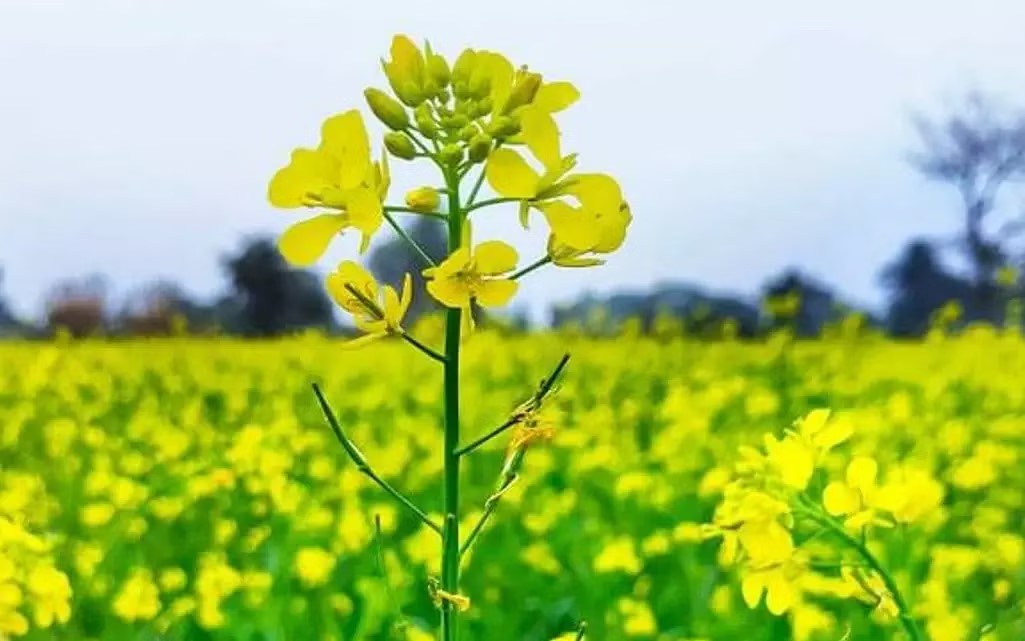
Russian farmers are shifting from grains to rapeseed as falling wheat and barley prices undermine profitability. Rapeseed acreage rose to 3.9 million hectares in 2026, but limited processing capacity, dependence on China, trade restrictions and crop rotation risks threaten future profitability and market stability.
Russian farmers are increasingly shifting from grains to rapeseed due to falling purchase prices and low profitability of wheat and barley production. In 2026, total rapeseed acreage increased to 3.9 mln ha from 2.97 mln ha a year earlier, while winter rapeseed plantings expanded by 52% to 790 thsd ha. The main drivers include higher profitability of the oilseed crop, stable demand from processors, and opportunities to export rapeseed oil and meal.
The shift in cropping patterns is particularly noticeable in southern Russia, where prices for class 4 wheat have fallen to 8.9 thsd RUB/t ($107/t), the lowest level in eight years. Meanwhile, barley production costs stand at 11–12 thsd RUB/t ($132–144/t), compared with purchase prices of just 7–8 thsd RUB/t ($84–96/t). Against this background, actual barley acreage is estimated at 6.5 mln ha, compared with the Agriculture Ministry’s target of 7.1 mln ha. Some land is being shifted to oilseeds and pulses, raising doubts about achieving the projected barley harvest of 18.8 mln tons.
However, the rapid expansion of rapeseed acreage is creating new market risks. In 2025, Russia harvested a record 5.57 mln tons of rapeseed, while further production growth could outpace the development of processing capacity. The problem is particularly acute in Siberia, which accounts for almost half of Russia’s rapeseed harvest. Due to insufficient local crushing capacity, part of the crop must be transported over long distances, increasing logistics costs and reducing farmers’ profitability.
Another major risk is Russia’s heavy dependence on China for rapeseed oil exports, with the country accounting for around 88% of Russian shipments in 2025. In 2026, China restricted imports of rapeseed oil and meal from 23 Russian facilities following the detection of GM material. This has led to stricter requirements for raw material traceability and product quality control. Under these conditions, any additional trade restrictions imposed by China could significantly affect domestic prices and rapeseed sales opportunities.
Experts also warn of crop rotation problems and potential overproduction. According to Olga Lesnykh, Director of the National Seed Alliance, an excessive increase in rapeseed acreage raises the risk of diseases and pests, while the crop should generally not return to the same field more frequently than once every four years. A large-scale shift from grains to rapeseed could repeat the experience of buckwheat, when a sharp expansion in plantings led to a price collapse. Further production growth will therefore require investment in processing capacity, export diversification, and compliance with crop rotation requirements.
To Read more about Edible Oil News continue reading Agriinsite.com
Source : Ukr Agro Consult