Good Basmati Returns Bring A Smile To Faces Of Haryana Farmers

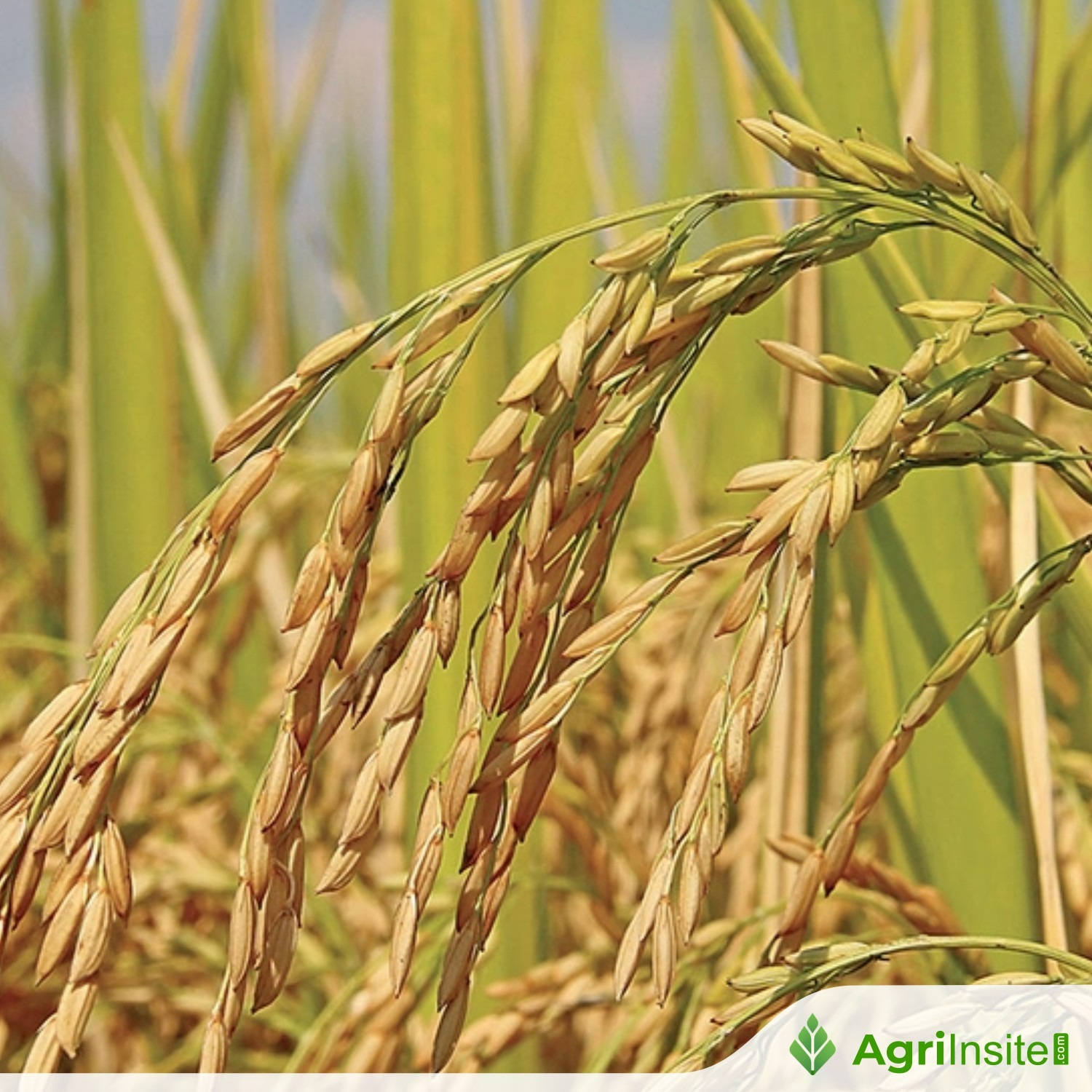
Haryana’s Basmati farmers are benefiting from higher prices and improved yields this Kharif season, with Premium 1121 reaching ₹5,600 per quintal. Cultivation covers around 19 lakh acres, while renewed international demand and fresh export orders have strengthened market sentiment, raising expectations of prices exceeding ₹6,000 after Diwali.
Kurukshetra: The Kharif season this time has brought a smile to the faces of the Basmati farmers of Haryana. The prices have recorded a sharp increase in the open markets. The price of Premium 1121 variety has reached Rs 5,600 per quintal, while that of 1718 variety stands at around Rs 4,870 per quintal. Traders are expecting the Basmati prices to surpass Rs 6,000 per quintal after Diwali.
Cultivation in 19 lakh acres
According to the Agriculture Department and the Meri Fasal Mera Byora portal, the verified area under Basmati rice in Haryana this Kharif season is approximately 19 lakh acres or approximately 7.7 lakh hectares. This figure reflects the growing trend of Basmati and aromatic rice cultivation in the state. Basmati is cultivated extensively in Karnal, Kurukshetra, Kaithal and the surrounding areas. These are the areas where the farmers are shifting from traditional non-Basmati varieties to crops that offer better market prices and higher profits.
Doing away with old varieties
Sushil Singla, a miller and Basmati exporter at Thanesar Grain Market in Kurukshetra, said, “Earlier, farmers used to depend on old varieties like CSR-30 and SBC-19 that were prone to diseases and had low production. There was a huge inflow of old varieties in the markets. There was a time when around five lakh bags of these varieties used to arrive in the market. But diseases and low production led to the farmers reducing their cultivation. Now, the inflow of these varieties has become nominal.”
Singla added, “Farmers are now increasingly adopting new Basmati varieties that have improved production capacity and enjoy good market demand. They have improved disease resistance and are high-yielding. While the older varieties used to yield around 10 quintals per acre, the modern varieties give around 30 quintals per acre. Varieties like 1509 have the potential to give even higher yields.”
Good returns after many years
In the last few years, the average price of Basmati rice hovered around Rs 4,000 per quintal, but the increase this year has brought a lot of respite to the farmers.
Ranbir Singh, a commission agent at Thanesar Grain Market, said, “Basmati farmers are reaping good profits this year due to improved production and higher prices. Farmers are receiving excellent prices for Basmati this year while the production has also been good. If the market continues to boom, the price of Basmati rice could exceed Rs 6,000 per quintal after Diwali. With a production of approximately 30 quintals per acre and a price of over Rs 5,000, the farmers’ sales could touch around Rs 1.25 lakh per acre. Actual profits will depend on input costs.”
International demand has led to the market boom
The Basmati produced in Haryana is known in the international market for its length, aroma, and flavour. It has a strong demand particularly in the Middle East. Singla explained, “Until some time ago, the exporters were facing supply line problems on account of the tensions in the Middle East. Now, with the situation improving, exporters are receiving new orders. The demand for Basmati is increasing again in the international market.”
Amarjeet Chhabra, President of the Rice Mill Association and a basmati exporter, disclosed, “Haryana is one of the major Basmati producing and exporting states in the country. In 2024-25, approximately 60.65 lakh metric tonnes of Basmati was exported from India in which Haryana’s share was around 40% or about 24 lakh metric tonnes. It is in good demand in countries like Iran, Saudi Arabia, Yemen, and the UAE. Receiving new export orders has brought relief to both the farmers and the traders.”
Good yield despite vagaries of weather
This year, farmers were initially worried about crop failure due to weather fluctuations and intermittent rains. However, improved production and the prices received in the markets have alleviated their concerns.
Farmer Satnam Singh said, “Initially, rains threatened to damage the crop, but the yield has been good. Now, we are getting better prices than expected. We are looking forward to a good Diwali this time.”
The increase in farmers’ income is expected to boost the local economy in the rural areas. The increasing area under Basmati cultivation in Haryana, the use of modern varieties, improved production and international demand have made this season special. If demand remains strong in the coming days, farmers may receive even better prices.
To Read more about Rice News continue reading Agriinsite.com
Source : ETV Bharat