Bangladesh : Palm oil imports far outpace soybean oil

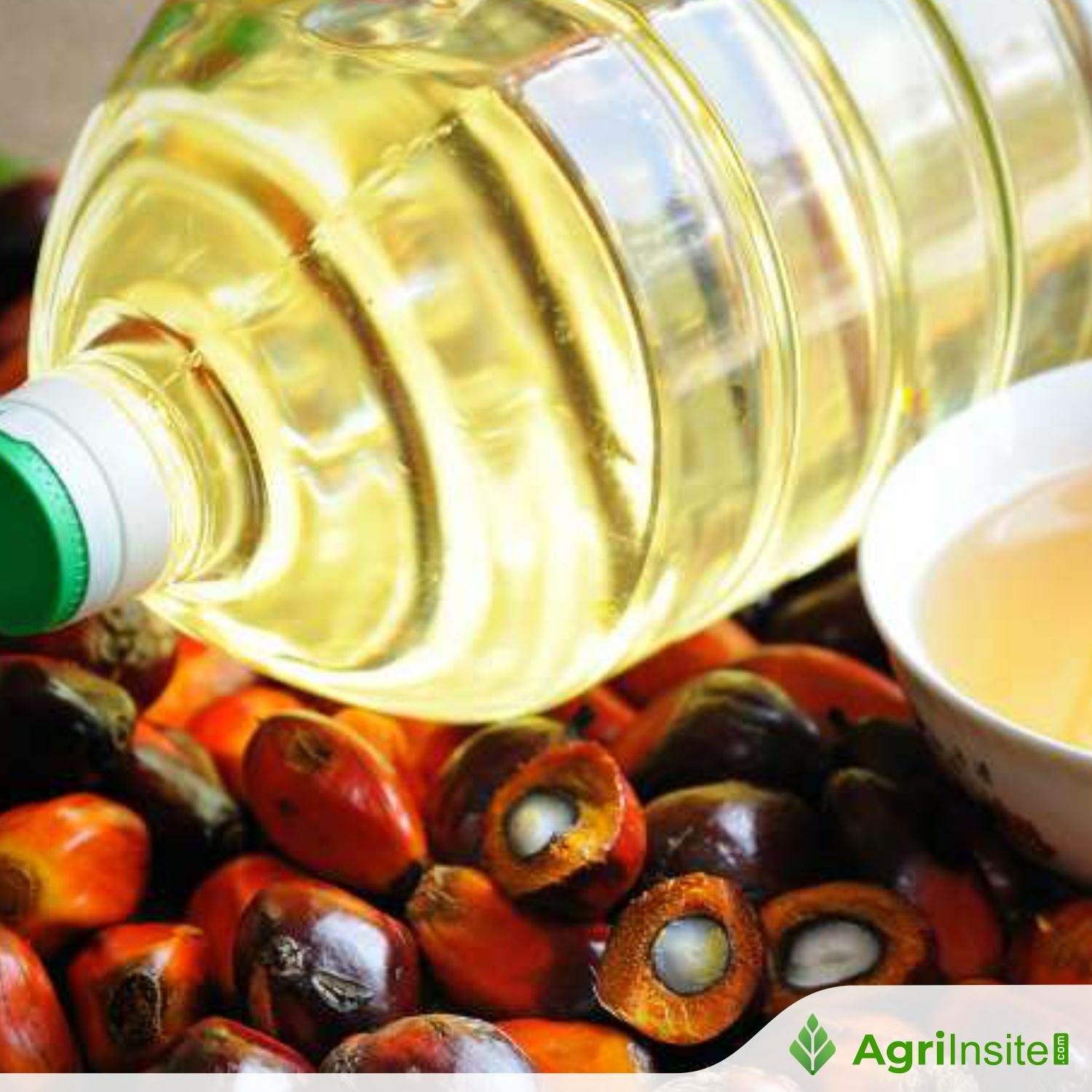
Bangladesh imported palm oil worth Tk 311.61 billion in FY2025-26, 132% more than soybean oil. Industry insiders attribute the gap to palm oil’s widespread use in food processing, restaurants and loose-oil markets, despite households preferring soybean oil.
Bangladesh’s imports of palm oil far exceeded those of soybean oil in monetary terms in the last fiscal year, despite soybean oil being the preferred cooking oil among household consumers.
The country imported palm oil worth Tk 311.61 billion in FY2025-26, about 132 per cent more than soybean oil imports worth Tk 134.35 billion, according to data compiled by the Bangladesh Bureau of Statistics (BBS).
The gap between the two primary edible oils has been widening over recent years. In FY 2024, palm oil imports stood at Tk 336.95 billion, 87 per cent up from soybean oil imports of Tk 178.81 billion, while in FY2025, palm oil imports were valued at Tk 336.15 billion, surpassing Tk 217.64 billion for soybean oil by 54 per cent.
The figures have raised questions about where the large volume of imported palm oil is being consumed, as soybean oil remains the dominant choice in household kitchens and is widely available in bottled form at retail outlets.
With the higher import of palm oil, a striking paradox has emerged in Bangladesh’s commodity market, challenging public perceptions about the country’s dietary habits and import dynamics, market insiders said.
Industry insiders, however, said this paradox is largely explained by the commercial food-processing sector and the widespread use of loose edible oil.
Palm oil is mostly used by commercial food-processing shops and industries, while soybean oil is mainly consumed by households, they said.
Syed Farhad Ali Reza of the Bashundhara Group noted that the primary driver behind the massive influx of palm oil is Bangladesh’s booming industrial food sector.
Mega food-processing industries, commercial bakeries, institutional catering, hotels, and restaurants consume the lion’s share of the edible oil, he added.
Another cooking-oil importer said palm oil is widely used for deep-frying products such as potato chips, biscuits, instant noodles, singaras and puris because of its relatively high smoke point and lower cost.
Much of this consumption remains invisible to consumers because processed foods typically list only generic “vegetable oil” on their packaging, without specifying the type of oil used, he added.
A second, more concerning factor is the widespread practice of blending and rebranding in the loose-oil market, the importer added. A significant number of consumers, particularly in rural and semi-urban areas, buy unbottled, loose edible oil from local groceries.
Industry insiders admit that wholesale traders frequently blend cheaper palm oil with soybean oil or sell super-refined palm oil under the generic label of “cooking oil”. Lower-income consumers often misidentify this as soybean oil due to its clear appearance during warmer months.
Such practices can make it difficult to determine the actual composition of oil reaching consumers.
Refiners and traders said global supply-chain disruptions and domestic pricing policies have also made edible-oil trading increasingly challenging, encouraging commercial users to opt for the more economical palm oil.
As the country navigates a widening supply deficit, with annual domestic demand hovering between 2.3 million and 2.5 million tonnes, economists emphasise that palm oil’s dominance is an economic reality driven by industrialisation and price dynamics, despite the preference for soybean oil in home cooking.
For the average consumer, the reality is clear: even if they choose soybean oil for their home meals, they are unknowingly consuming far more palm oil through the processed foods that sustain modern urban life.
Local trade expert Mustafa Abid Khan told the FE that authorities, including the Bangladesh Standards and Testing Institution (BSTI), Bangladesh Food Safety Authority and Directorate of National Consumer Rights Protection (DNCRP), should review the edible-oil market and consumption patterns.
The authorities should also strictly verify whether soybean and palm oils are being blended or mixed before being marketed to consumers, he said.
To Read more about Edible Oil News continue reading Agriinsite.com
Source : The Financial Express