Bangladesh urged to reduce its dangerous dependence on imported edible oil

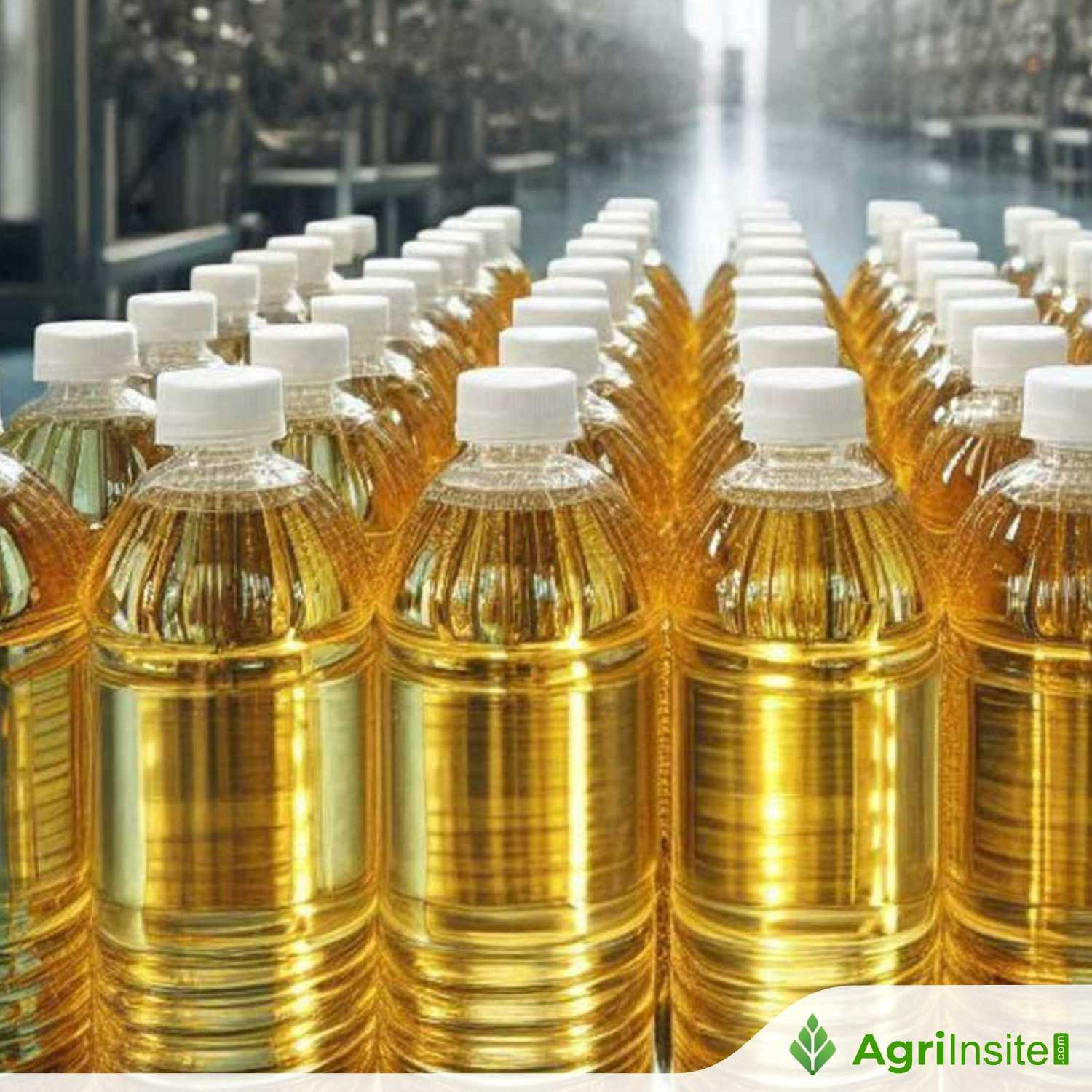
Bangladesh imports over 70% of its edible oil needs, spending $2.89 billion annually, with palm and soybean oil dominating purchases. Experts urge expanding domestic oilseed production through improved seeds, credit, mechanisation and processing support to reduce import dependence, strengthen rural incomes and enhance food security.
Bangladesh remains critically dependent on imported edible oils, putting additional pressure on the country’s foreign exchange reserves and increasing risks to food security. According to estimates by the SAARC Agriculture Centre and the Bangladesh Bureau of Statistics, the country imports more than 70% of its edible oil needs, spending over $2.89 billion annually.
Soybean oil and palm oil account for the largest share of imports. At the same time, the import structure is changing: expenditure on palm oil imports declined by 31.4%, while spending on soybean oil increased by around 150%. This trend is linked to changes in import volumes and fluctuations in global prices.
At the beginning of the 2025/26 fiscal year, Bangladesh also maintained high levels of edible oil purchases abroad. In July alone, palm oil accounted for nearly 78% of the country’s total spending on edible oil imports, highlighting its growing role in meeting domestic consumption demand.
Experts believe Bangladesh has strong potential to expand domestic oilseed production thanks to fertile land, experienced farmers and an established agricultural research base. Research institutions have already developed high-yielding and climate-resilient varieties of mustard, sunflower, soybean and sesame. In particular, short-duration mustard varieties can be integrated into existing rice-based crop rotations without threatening staple grain production.
To reduce import dependence, the country needs quality certified seeds, affordable credit, mechanisation, processing support and guaranteed marketing channels for farmers. The development of salt-tolerant sunflower cultivation in coastal areas is also considered promising. Expanding domestic oilseed production could not only reduce Bangladesh’s foreign currency spending but also strengthen rural incomes and long-term food security.
To Read more about Edible Oil News continue reading Agriinsite.com
Source : Ukr Agro Consult